
Last updated November 14, 2026
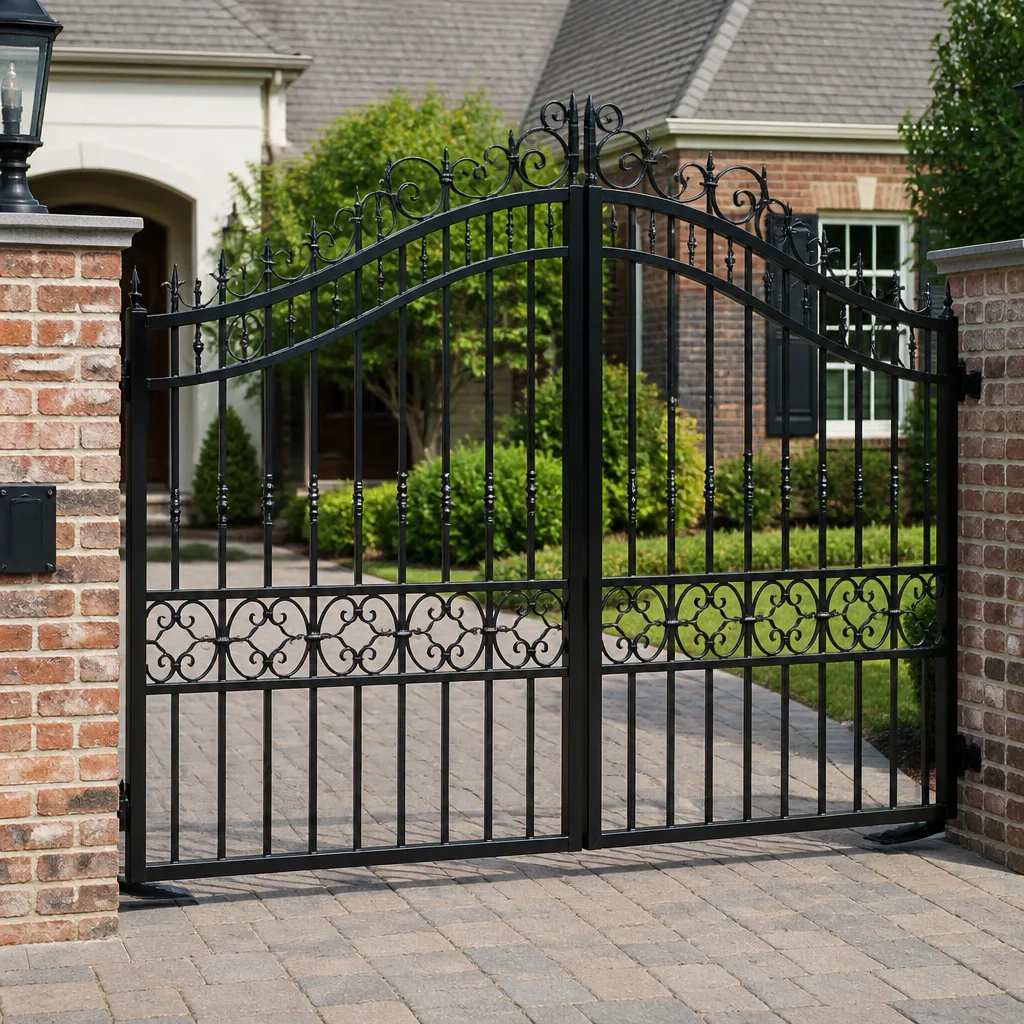 Wrought iron
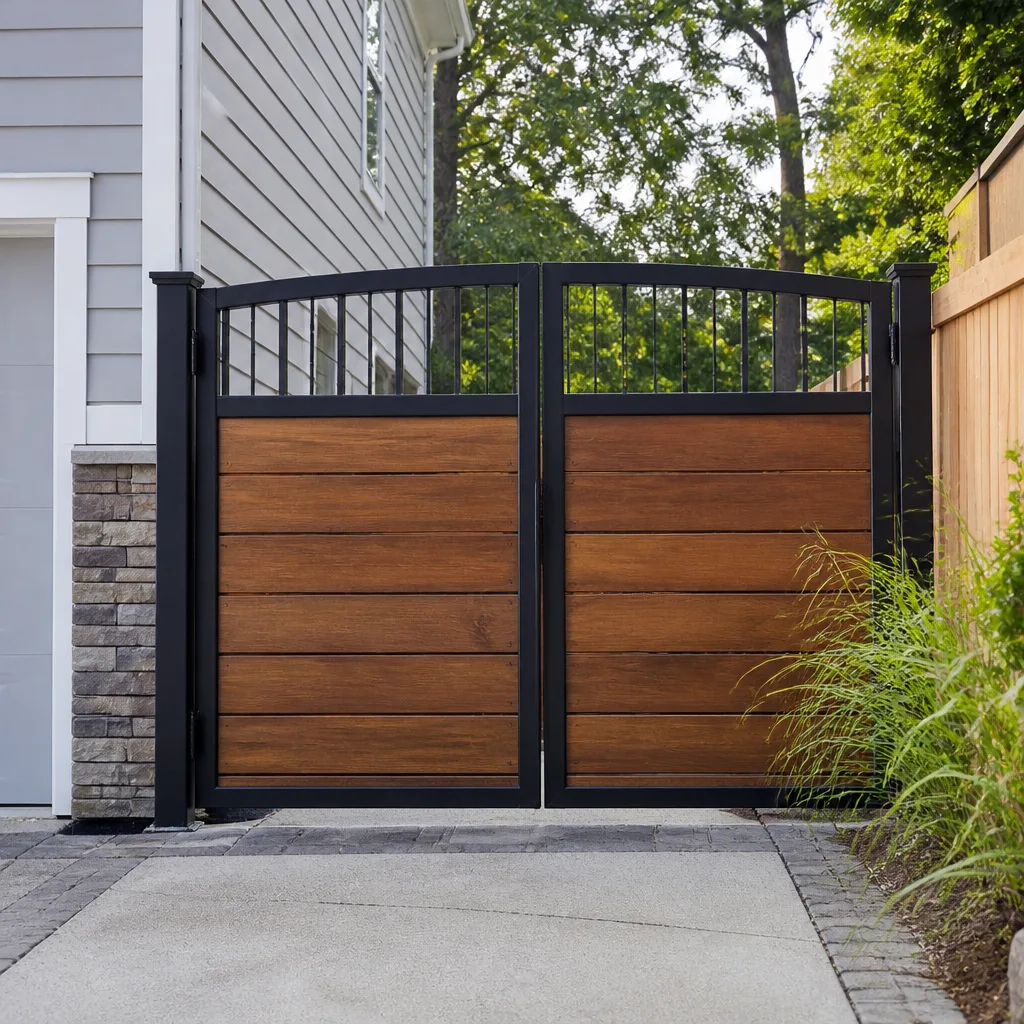 Wood & steel frame
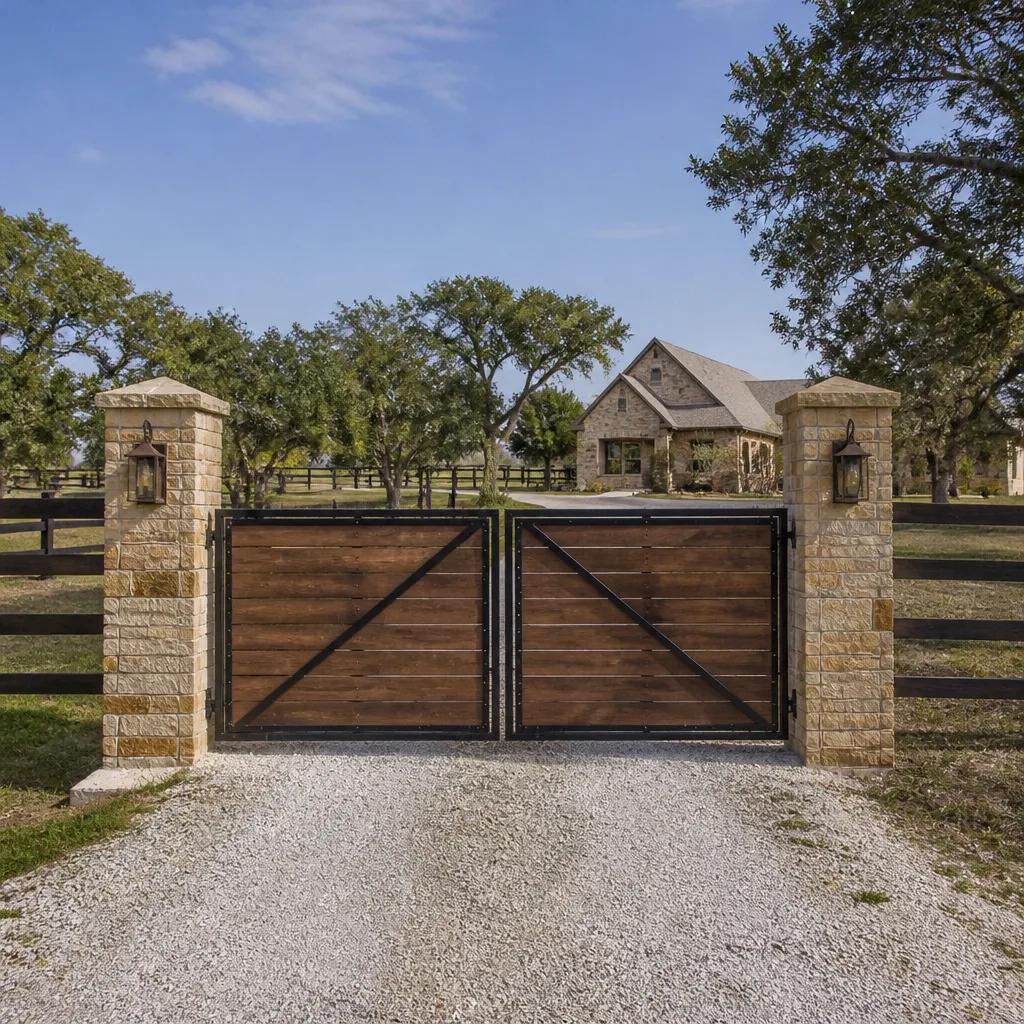 Farm & ranch
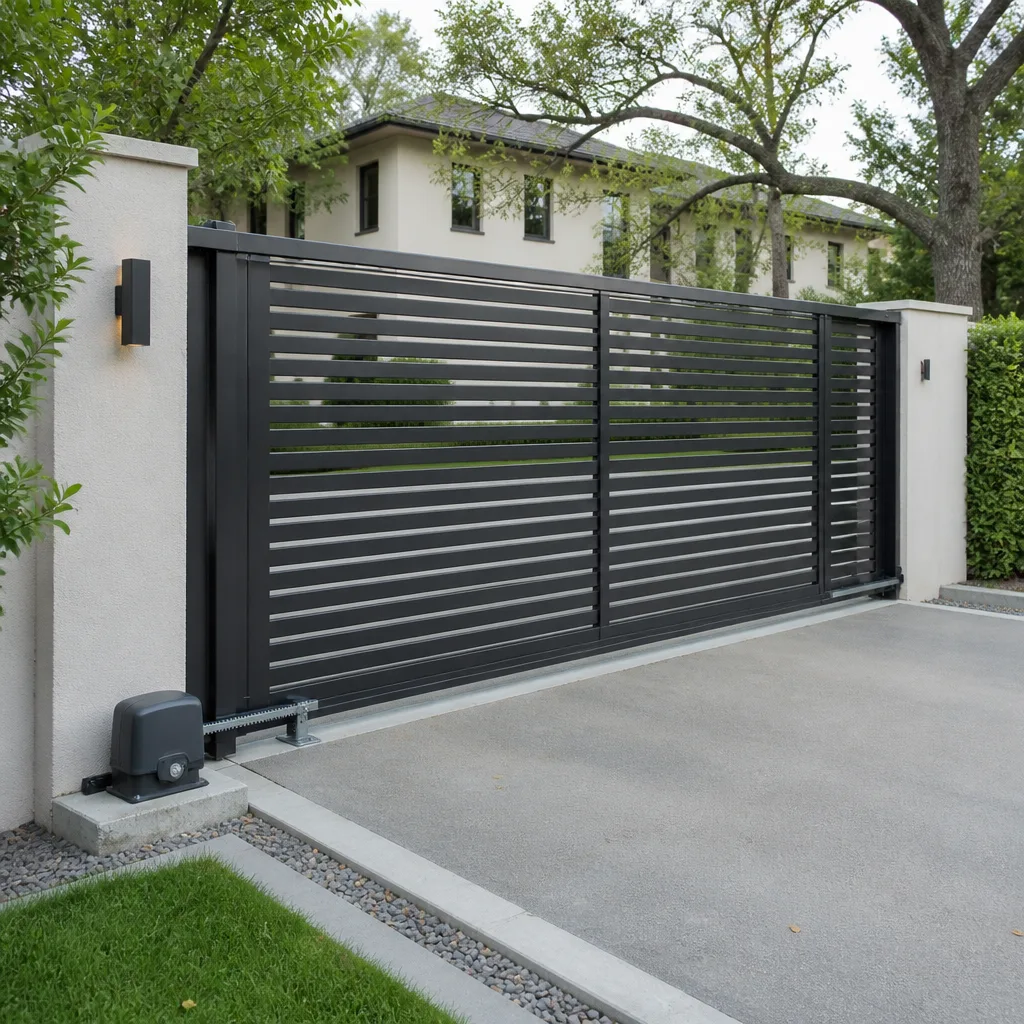 Sliding driveway gates
 LiftMaster operators
Free on-site gate assessment - hinges, posts, and your LiftMaster or Nice gate operator checked before anything is quoted
The assessment is free and the quote is the invoice.
Get your free estimateGate Repair Permits, Codes & Inspections in Waco, TX: What You Need to Know
Here’s a split that surprises most Waco gate owners: the repair that needs a permit is rarely the big, expensive-sounding one. Swapping a control board or replacing a broken hinge is routine maintenance, exempt from permitting. Running a new power line to an operator, or installing a brand-new automated gate where none stood before, is construction work that falls under city review. The catch is that those electrical and installation jobs are exactly the ones rushed through without paperwork, and the exposure only surfaces later, during an insurance claim or a property sale. This guide walks through where the line sits in Waco, what an inspector actually examines, and how to clean up work that was done without a permit.
Quick Answer
In Waco, routine gate repair and like-for-like parts replacement generally don’t require a building permit, but new gate installation, new electrical circuits to an operator, and structural changes such as new posts or altered footings usually do. Any gate work that touches the electrical supply also has to meet electrical code, and HOA rules can add requirements on top of city rules. When in doubt, call the City of Waco’s building department before work begins.
Styles & brands we work with
- Wrought iron
- Wood & steel frame
- Farm & ranch
- Sliding driveway gates
- LiftMaster operators
Table of Contents
- Repair vs. Permit: Where Waco Draws the Line
- Gate Electrical Work and the Texas Homeowner Policy Problem
- HOA Overlay Rules That Apply Regardless of Permit Status
- What an Inspector Actually Looks At
- How to Permit Work That Was Done Without One
- Permits and a Property Sale: What Title and Buyers See
- Choosing a Gate Contractor Who Handles Paperwork Honestly
- When to Call a Professional
Repair vs. Permit: Where Waco Draws the Line
The simplest way to think about it: if you’re restoring the gate to the condition it was already in, you’re probably in maintenance territory. If you’re changing what exists, adding something new, or altering the electrical system, you’re probably in permit territory. That’s the general principle, not a substitute for checking with the city on a specific job.
Here’s how the split usually falls in our experience:
- Typically maintenance-exempt: Replacing a gate operator motor with a like-for-like unit, swapping a control board, replacing hinges, rollers, or a damaged picket, adjusting a track or guide, replacing a remote or keypad, and routine lubrication and alignment.
- Usually requires a permit: Installing a new automated gate or operator where none existed, running a new electrical circuit or trenching conduit to a gate location, building new masonry or steel posts, altering footings, and adding a gate where the property previously had an open driveway.
- Gray area – ask the city: Upgrading to a higher-capacity operator, changing from a slide gate to a swing gate, and re-routing existing power to a new location on the property.
What makes Waco tricky is that a lot of residential property changes hands around older neighborhoods where the original driveway was open and a gate was added years ago, sometimes by a prior owner. When you buy a house in Waco with an automated gate, it’s worth asking whether the installation was ever permitted, because that paper trail either exists or it doesn’t.
If you’re weighing whether to repair or replace an operator, this is the moment to have that conversation with someone who works on gates full time. Our gate repair work starts with diagnosing what’s actually failing, so you’re not paying for a replacement when a repair holds.
Gate Electrical Work and the Texas Homeowner Policy Problem
This is the part almost nobody brings up at the kitchen table when a contractor is trying to close a same-day job. Most homeowners insurance policies in Texas exclude coverage for damage arising from work that wasn’t permitted or wasn’t done to code. So if a gate operator’s electrical work was never inspected, and the gate later faults, swings into a vehicle, or causes an injury, the insurer has a straightforward reason to deny the claim.
That’s not a scare tactic. It’s the logic of how exclusions work. The policy covers the house and the liability exposures attached to it. Work performed outside the code and inspection process is work the carrier didn’t agree to underwrite. When a claim gets examined, the adjuster asks a simple question: was this installation inspected and signed off? If the answer is no, the conversation changes.
Waco’s mild winters mean gate operators here don’t take the seasonal beating they do in colder parts of the country, but the electrical layer still wears. Control boards fail, sensors drift out of alignment, and buried conduit gets compromised by roots or settling. Any time the fix involves opening a circuit, running new wire, or replacing the operator’s power supply, that’s when we recommend a licensed electrician and a permit if the city requires one. A gate operator is a heavy mechanized object that can crush, and the electrical work feeding it isn’t a place for shortcuts.
If your automated gate is having electrical or control problems now, electric gate repair covers the motor, control board, sensor, and access layers that generalists tend to misdiagnose. We work on your brand, whether that’s a DoorKing commercial operator or a LiftMaster residential unit.
HOA Overlay Rules That Apply Regardless of Permit Status
A city permit and an HOA approval are two separate things, and having one doesn’t satisfy the other. In the newer Waco-area developments, particularly where lots are governed by a homeowners association, gate changes usually need architectural review approval before anything is built. This applies whether or not the city requires a permit for the work.
The items HOA architectural review committees typically want to see:
- The gate style, material, and finish, plus a drawing or spec sheet matching what will actually be installed.
- Setback from the property line and how the gate affects sight lines at the driveway.
- Operator placement and how it’s screened from the street.
- Whether the installation changes drainage or grading on the lot.
- Safety equipment, including the sensors and any warning signage.
The practical risk with HOA rules is retroactive enforcement. A gate that’s been up for a few years without architectural approval can still trigger a violation notice, and the association can require you to modify or remove the gate at your cost. If you bought a house in a Waco subdivision with a gate that predates you, a quick records request to the HOA will tell you whether the approval exists. It’s a cheap piece of due diligence.
When a gate change is on the table, we tell homeowners to get the HOA sign-off first, then the city permit if one’s required, then schedule the installed work. That order saves a lot of rework.
What an Inspector Actually Looks At
Gate inspections in Waco focus on the operator, the electrical connection, and the safety devices. The inspector isn’t grading the gate’s appearance or judging whether the brand matches the neighbor’s. The questions are narrower: is the electrical connection code-compliant, and does the gate reverse or stop when something’s in its path?
Here’s what usually gets checked, in the order inspectors tend to work through it:
- Electrical connection and grounding. Whether the circuit feeding the operator is properly protected, whether the enclosure is weather-rated, and whether the grounding is intact. Irreversible gate operators are supposed to be wired so the circuit is protected according to code, and the inspector checks that the panel and the gate work match.
- Obstruction sensing and reversing. The inspector will trigger the safety sensors with an object in the gate’s path and confirm the gate reverses or stops. This is the single most common failure, and it’s usually a photo-eye that’s misaligned or dirty.
- Entrapment protection. The manufacturing standard for automated gates requires entrapment protection devices appropriate to the installation. The inspector checks that they’re present and functioning, not just installed.
- Warning signage. Automated gates are required to have a warning sign visible on the gate or nearby, warning that the gate is automated and children should not play on it.
- Manual release. That the operator can be manually disengaged so the gate can be opened if power fails.
- Structural attachment. Posts, footings, and hardware strong enough to carry the gate’s load. This matters most on new installations.
Access control adds a layer. On a commercial entrance with a keypad or fob reader running on DoorKing or LiftMaster equipment, the inspector looks at whether the access hardware is wired into the operator’s safety circuit correctly, and whether the operator still has a functioning entrapment device independent of the access system. A gate that opens on command but doesn’t stop for a pedestrian is a fail.
How to Permit Work That Was Done Without One
You can usually permit work after the fact, and in Waco the process is the same permit application with an honest note about what exists. What changes is the inspection: the inspector isn’t checking a fresh install, they’re checking what’s there. That’s often harder, because there are no construction photos to fall back on.
Here’s how a retroactive permit typically goes:
- Document what exists. Photos of the operator, the circuit feeding it, the posts and footings, the safety sensors, and the access hardware. A written description of the equipment model and install date if you have it.
- Talk to the city before applying. Call the City of Waco building department, describe the situation, and ask what they need to see. Some retroactive cases move quickly; others require correcting deficiencies first.
- Fix what fails. Most retroactive inspections turn up something – a missing warning sign, an improperly grounded circuit, a dead photo-eye. Those corrections become part of the permit’s closeout.
- Schedule the inspection and have a licensed electrician on call. If the electrical portion needs correction, that’s not work for a gate technician to sign off on.
- Keep the paperwork filed permanently. Not in the garage next to the paint cans. With the deed, the HOA approval, and the property survey.
If you’re selling a Waco home and the buyer’s inspector flags a gate operator, this is the sequence that gets you to close without a renegotiation. It’s better to know about it early than three days before a closing.
Permits and a Property Sale: What Title and Buyers See
A permit gap doesn’t usually surface through title. It surfaces through the buyer’s home inspection, the buyer’s insurance company, or an appraiser noticing that improvements don’t match what the county has on record. When any of those trigger a question, the absence of a permit is a real negotiation item.
The biggest sale-related risk in Waco is a gate installation that was never permitted, sitting on a property that’s about to change hands. That can become a retroactive permitting exercise at the worst possible time: after closing is scheduled, with a buyer asking for a price reduction. If the installation touches the electrical service and there’s no inspection paper to show, the buyer’s agent will ask why.
The practical move for anyone selling a Waco property with an automated gate is to pull the permit history before listing. If the installation was permitted and inspected, you’ve got a selling point. If it wasn’t, you’ve got time to fix the paperwork before it becomes an issue. Either way, knowing early keeps you negotiating from a position of information rather than surprise.
If you’re not sure what your gate’s history looks like, our Gate Repair Waco team can walk you through what to look for on the equipment and on the install.
Choosing a Gate Contractor Who Handles Paperwork Honestly
The single best protection against unpermitted gate work is a contractor who tells you, up front and unprompted, when a permit is required. A specialist who handles gates every day knows which jobs need one and which don’t, and has no reason to skip the step to save an afternoon.
What to listen for when you’re interviewing contractors:
- Do they ask what work is being done before quoting? If a contractor quotes a full operator replacement sight unseen without asking whether there’s existing power at the location, they’re not going to catch a permit issue either.
- Do they bring up the permit themselves? On a repair, a good gate technician will tell you no permit is needed. On an installation or an electrical job, they should tell you one might be, and recommend you confirm with the city.
- Do they push you toward replacement on a repair job? A specialist who says “repair or replace – we’ll tell you which one makes sense” isn’t trying to sell you a new gate every visit. That’s a good sign.
- Do they understand your brand? A technician familiar with Mighty Mule and Ghost Controls residential operators will spot different wear patterns than one who only sees commercial systems. Same on commercial: someone who works on BFT hydraulic arms regularly is going to read a fault code faster than someone who doesn’t.
- Are they clear on what they can’t touch? A gate installer isn’t an electrician. If they’re offering to run new electrical circuits and sign off on the inspection, that’s a red flag for an unpermitted job waiting to happen.
Because our field time is 100% gate work, we’ve seen which failures are worth repairing and which mean a replacement is due. We work on nine distinct gate systems, from consumer units to commercial operators, which means the answer isn’t always “we don’t know that brand.” Our Waco team quotes prices in writing and agrees on them before any work starts. If the fix is an electric gate repair, that’s a named core service, not an afterthought.
When to Call a Professional
Some gate problems are legitimate generalist territory, and we’ll be the first to say so. But these situations call for a gate specialist, and calling one sooner usually prevents the problem from getting more expensive:
- The gate stopped reversing on obstruction – a safety sensor or control-board issue that’s also the most common inspection fail.
- The operator shows an error code, cycles without moving, or runs in one direction only.
- Electrical work is needed at the gate – either new service or a repair to the circuit.
- An installation is being planned and you need to know what permitting and inspection will involve.
- You’re selling a Waco property and the gate’s permit history is unclear.
- A commercial entrance with DoorKing or LiftMaster access hardware is failing at the keypad or the loop detector.
Gate Repair Waco offers free estimates in Waco – call (855) 638-3208. We answer 24/7. Fast dispatch from 7am to 7pm, Sunday through Friday.
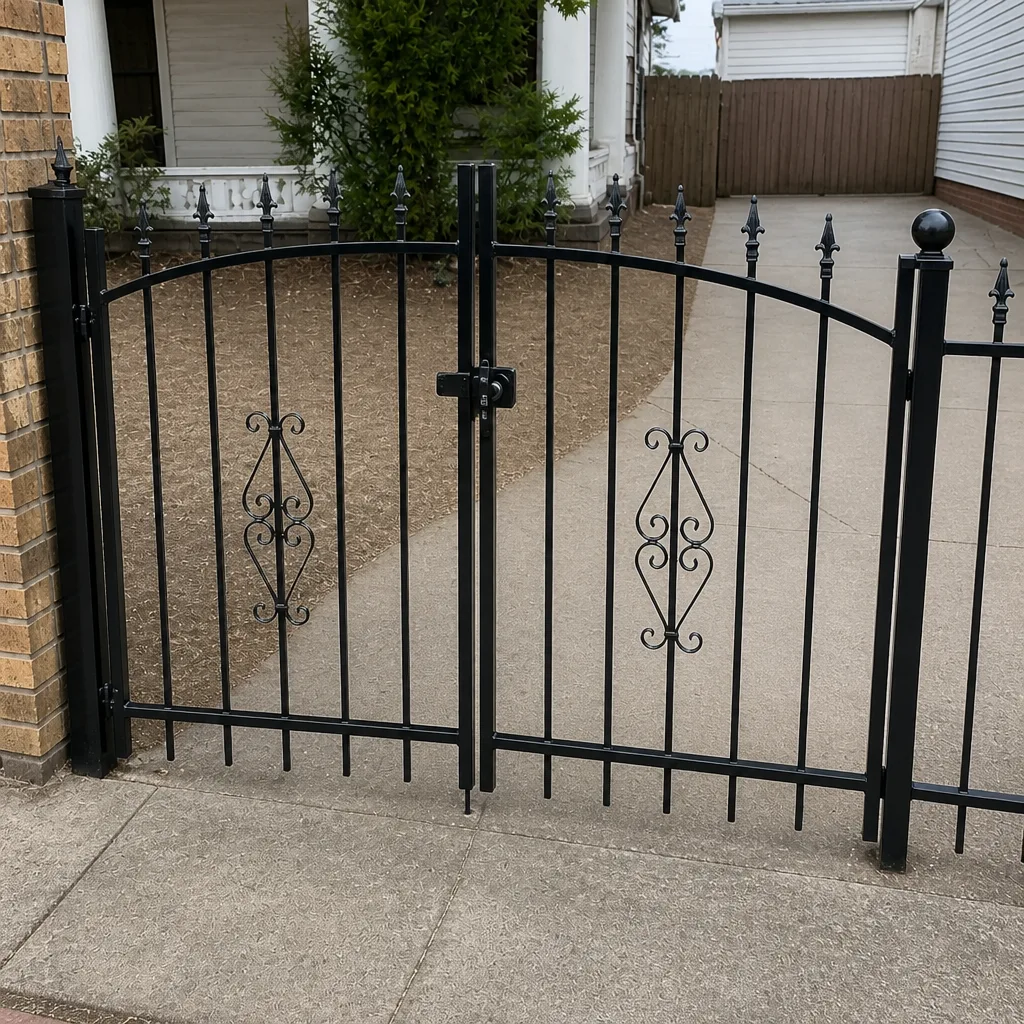
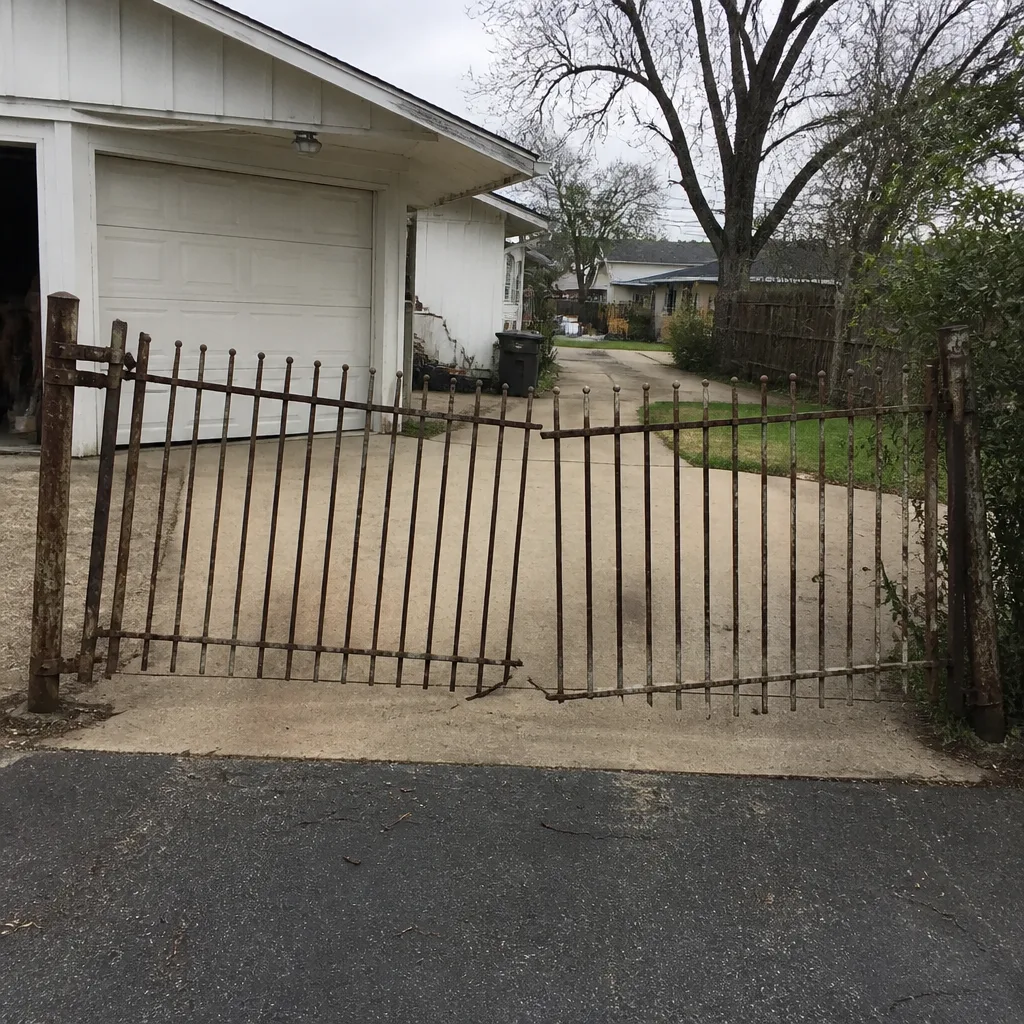
See the difference
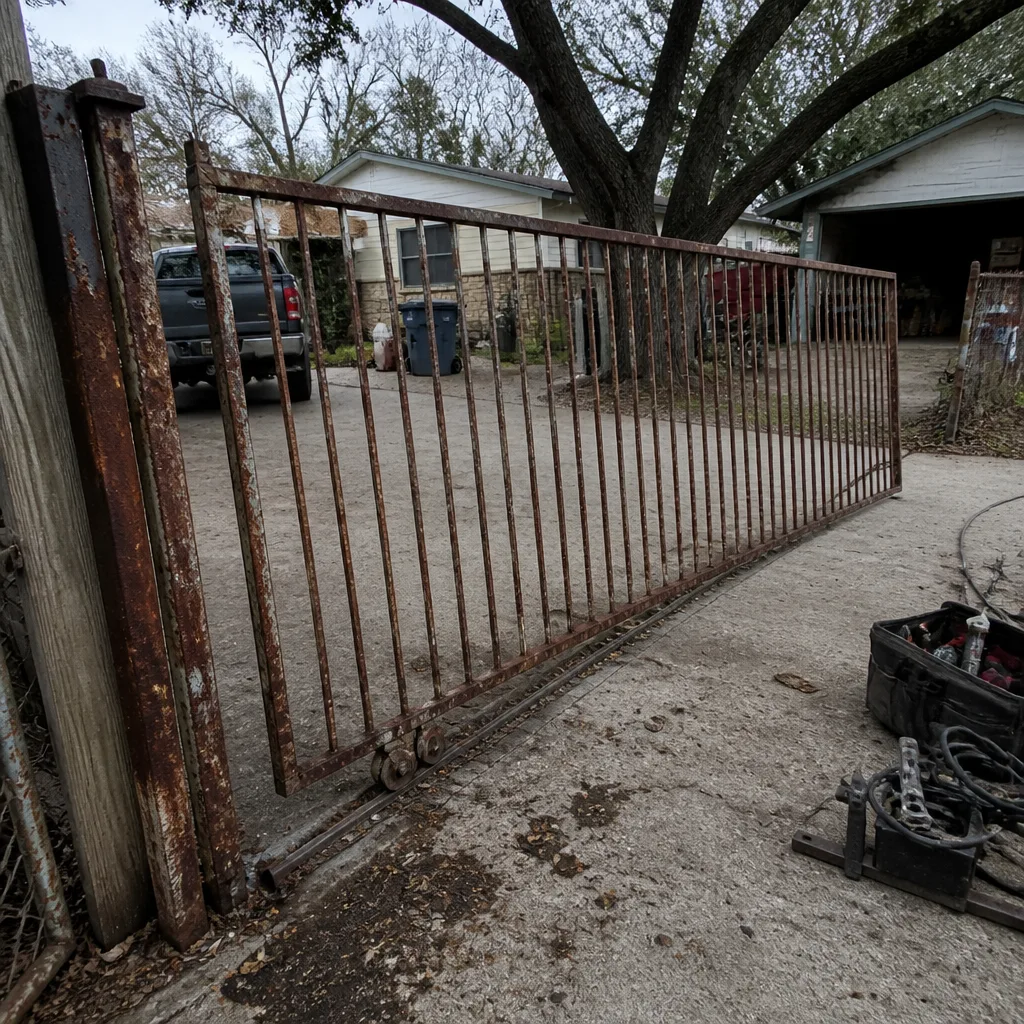 Before
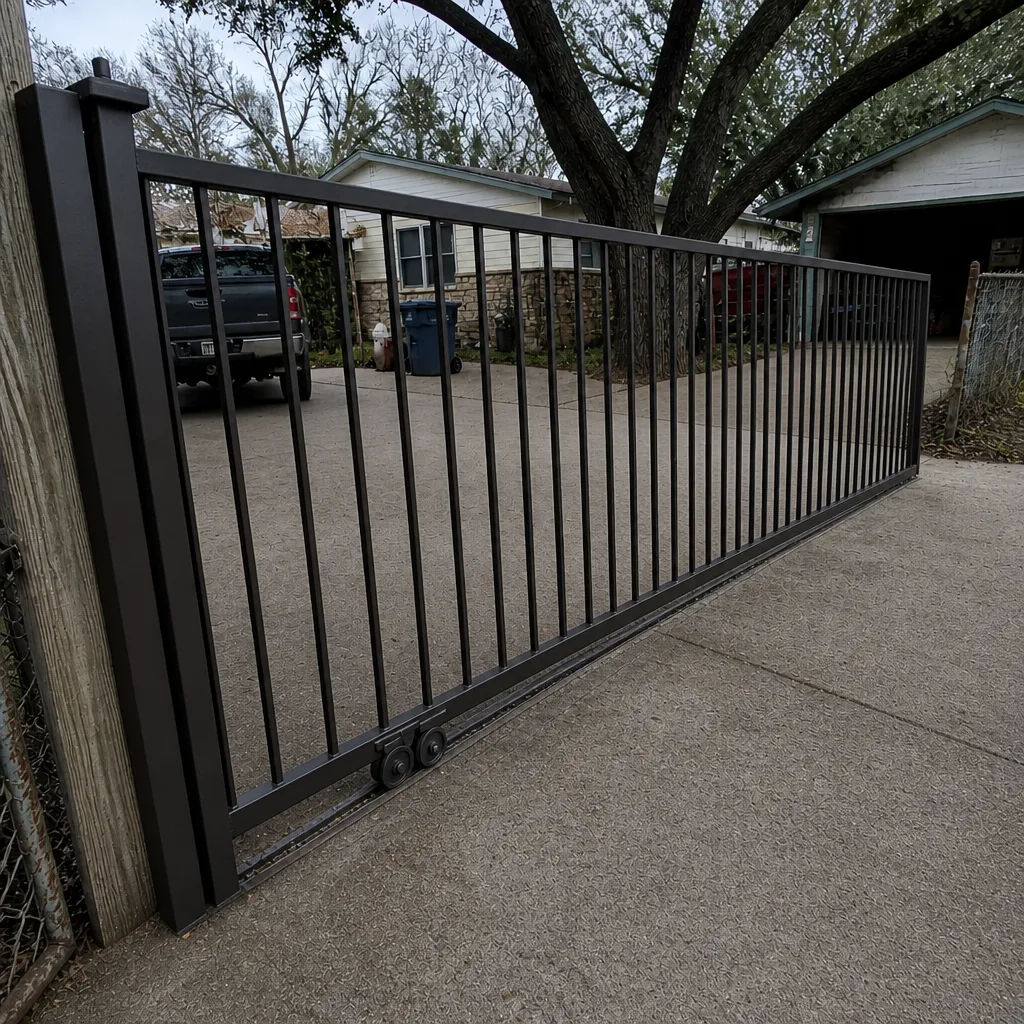 After
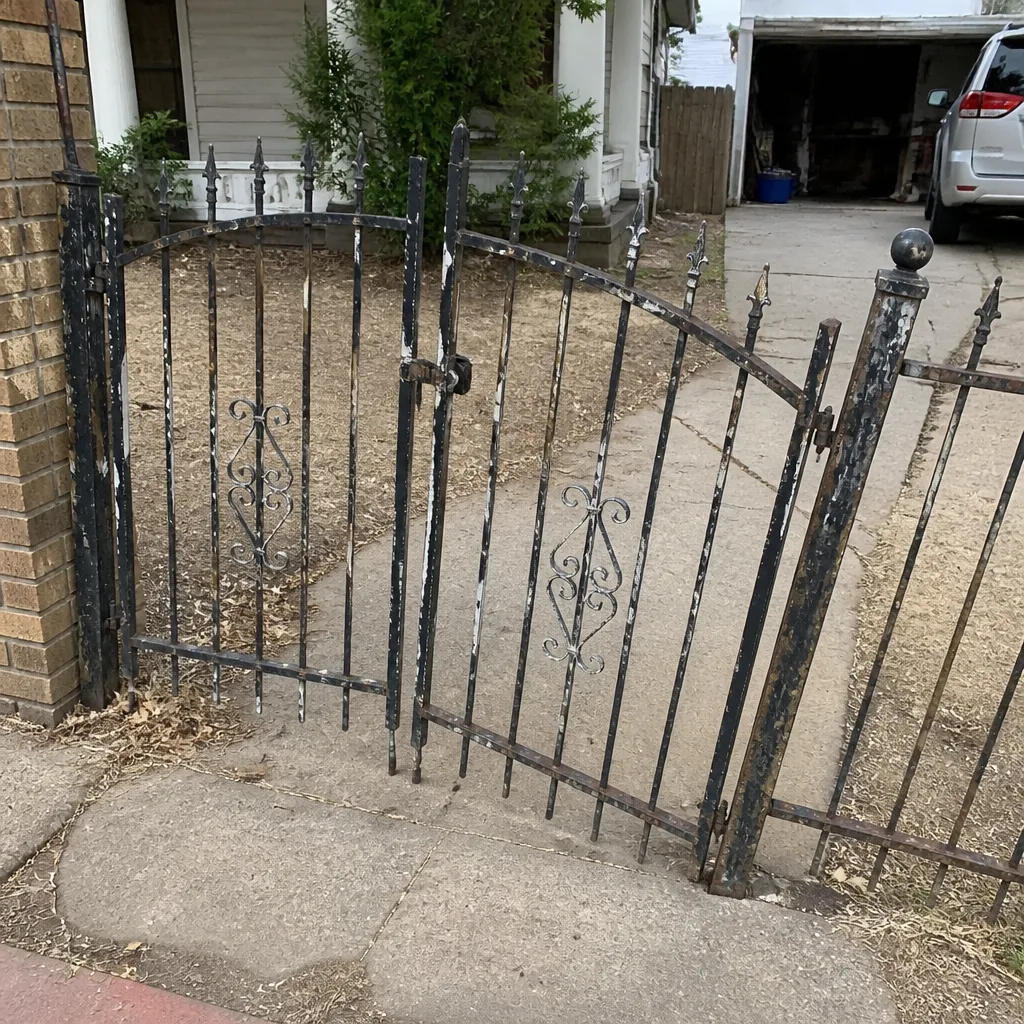 Before
 After
 Before
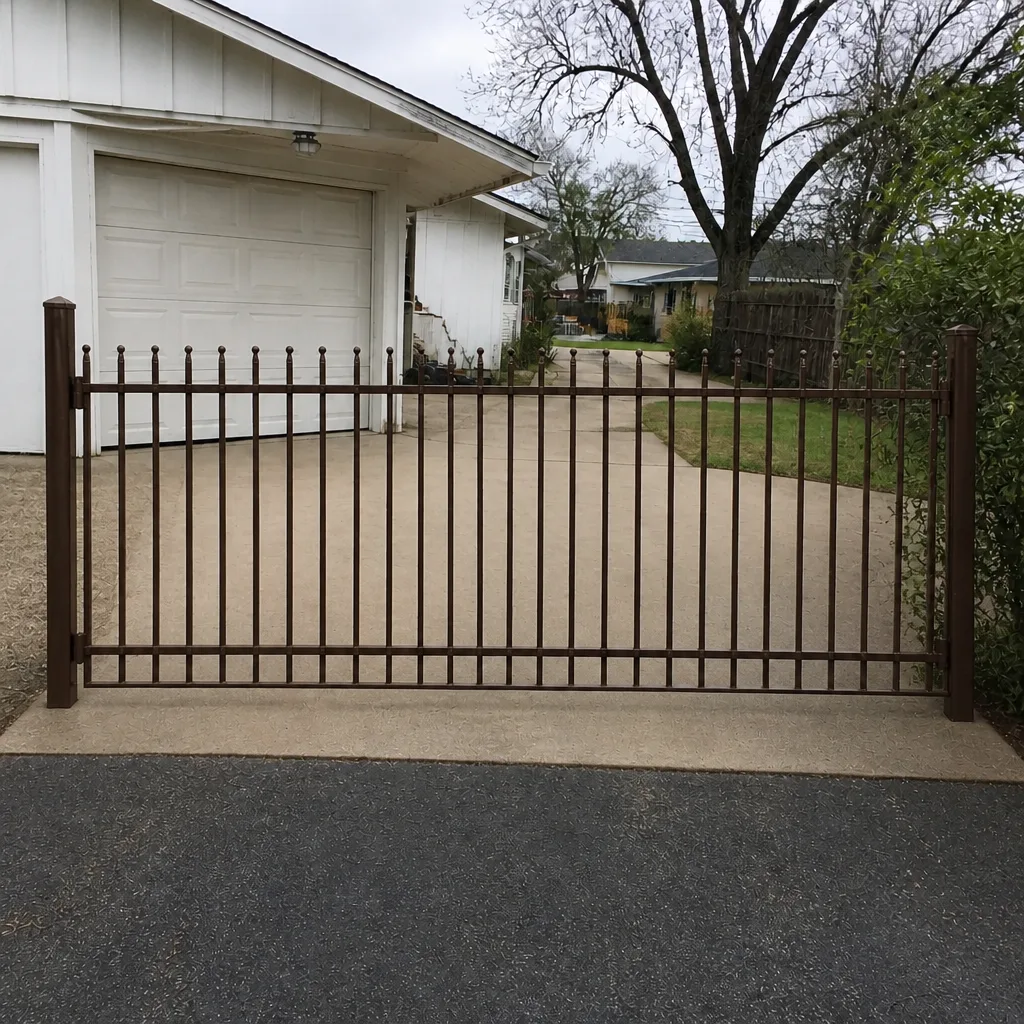 After
Common Mistakes to Avoid
- Assuming no permit means no problem. A quiet, working gate tells you nothing about whether the electrical work behind it was inspected. Ask before you buy a house in Waco with a gate you didn’t install.
- Skipping the HOA sign-off because the city permit was approved. City approval and HOA architectural approval are separate processes, and the HOA can require you to change a gate years after it went up.
- Letting a handyman run the electrical to a new operator. Gate work and electrical work are licensed differently. The electrical portion should be done by a licensed electrician, inspected, and documented.
- Replacing safety sensors for cost alone. The cheapest photo-eye on the market is often the reason an inspection fails. Sensors need to be matched to the operator and correctly aligned.
- Filing the permit paperwork nowhere. The permit closeout is only useful if you can produce it during a sale. Keep it with the deed, not in a toolbox.
- Pairing a full gate installation with a same-day operator replacement. New installations are measured, ordered, and scheduled. Anyone promising same-day install is skipping steps.
- Believing a contractor who says “we’ll handle the permit.” The permit is signed by the property owner. You are the one whose name is on the record, and you are the one who carries the consequence if it was never pulled.
Frequently Asked Questions
Most routine gate repairs in Waco don’t need a permit. Replacing an operator motor with a like-for-like unit, swapping a control board, or fixing hinges and rollers falls under maintenance. The line gets crossed when the work involves new electrical service, new posts or footings, or a gate being installed where none existed. Call the City of Waco building department with the specific scope to confirm. If you’re unsure, call (855) 638-3208 for a free estimate. We answer 24/7.
Most policies exclude liability and damage arising from work that wasn’t permitted or doesn’t meet code, so an unpermitted gate installation creates real exposure. If the gate causes injury or property damage and there’s no inspection record, the insurer has a straightforward basis for denial. That’s the case whether or not the gate works today. A licensed, inspected installation removes that question. Call (855) 638-3208 if you want someone to look at what’s there now.
The permit gap usually surfaces during the buyer’s home inspection or their insurance process, not through title. In Waco, a buyer’s agent is likely to flag it, and it can become a renegotiation item or a delaying factor at closing. Pulling the permit history before listing is the way to find out early enough to fix it. Call (855) 638-3208 for a free estimate if the installation needs correcting.
Inspectors check the electrical connection and grounding, obstruction sensing and reversing, entrapment protection, warning signage, manual release, and structural attachment. Access control hardware has to be wired so that it doesn’t bypass the operator’s own safety devices. The inspector doesn’t care about the brand; they care whether the gate stops for an object in its path and whether the power is safe. We answer 24/7 if you need to schedule a repair before an inspection.
Usually yes. The City of Waco handles retroactive permits as a variation of the standard application, with the inspection focused on what’s installed rather than what’s planned. The catch is that most retroactive inspections find deficiencies that need correcting before sign-off: a warning sign that’s missing, a sensor that doesn’t trigger properly, a circuit that needs grounding. The paperwork is worth having. Call (855) 638-3208 for a free estimate on getting the gate ready to pass.
Yes, that’s typically the case. HOA architectural review is a separate approval from city permitting, and many Waco-area developments require it for gate changes, from style and material to setback and operator placement. Getting the HOA sign-off before scheduling work saves having to modify the gate later. Call (855) 638-3208 to discuss what a new installation will involve.
The Bottom Line
Waco gate repair is mostly permit-free, but the work that does require a permit – new installations, new electrical service, structural changes – is the work that carries the longest consequence if skipped. An unpermitted gate can sit quietly for years, then block an insurance claim or complicate a property sale. The fix is straightforward: know what you’re having done, ask the city about the specific scope, get the HOA sign-off, keep the permit paperwork with the deed, and if work was done without one, permit it retroactively before it becomes a problem. If that feels like more due diligence than you want to take on alone, a gate specialist who handles the questions up front is worth the call.
Gate Repair Waco provides gate repair, electric gate repair, and gate installation across Waco and the surrounding area. Call (855) 638-3208 for a free estimate. We answer 24/7. Fast dispatch from 7am to 7pm, Sunday through Friday.
Written by the team at Gate Repair Waco, serving Waco since 2018.