
Last updated November 14, 2026
 Wrought iron
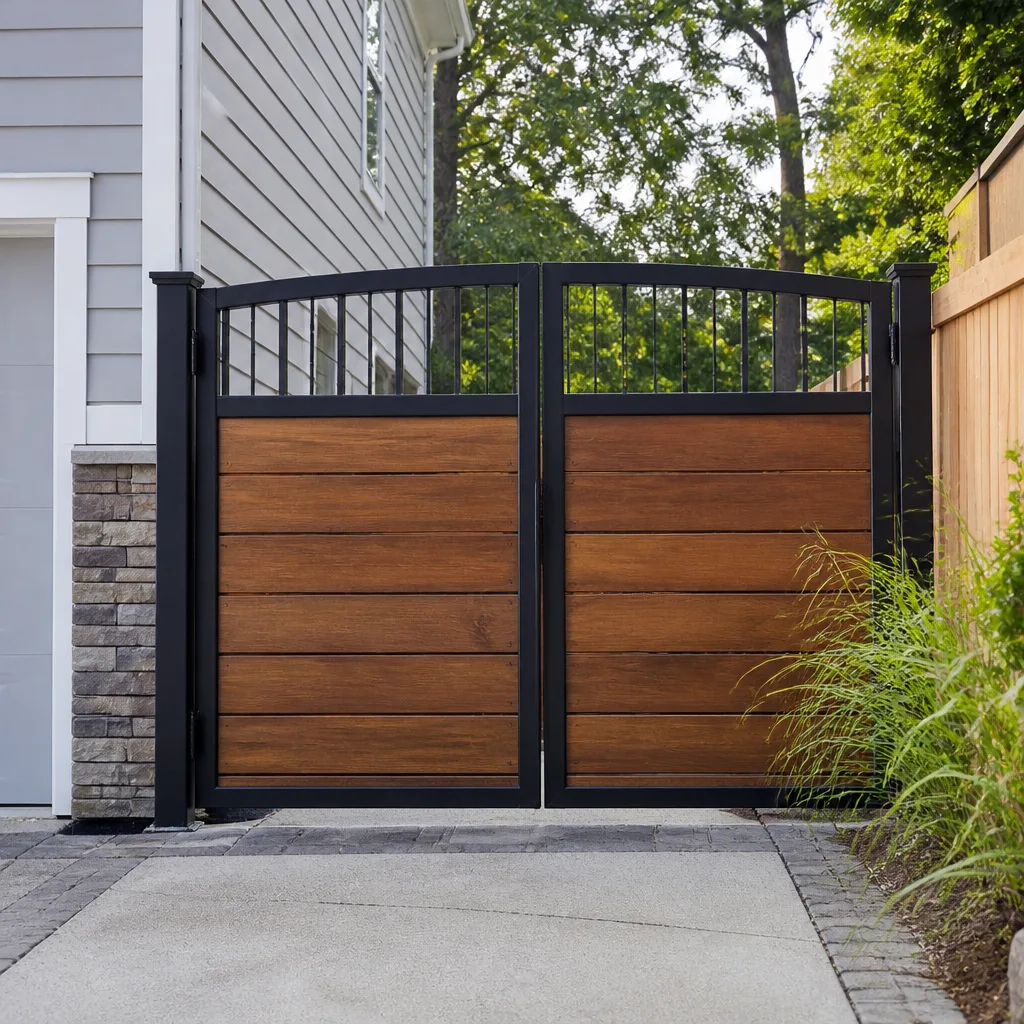 Wood & steel frame
 Farm & ranch
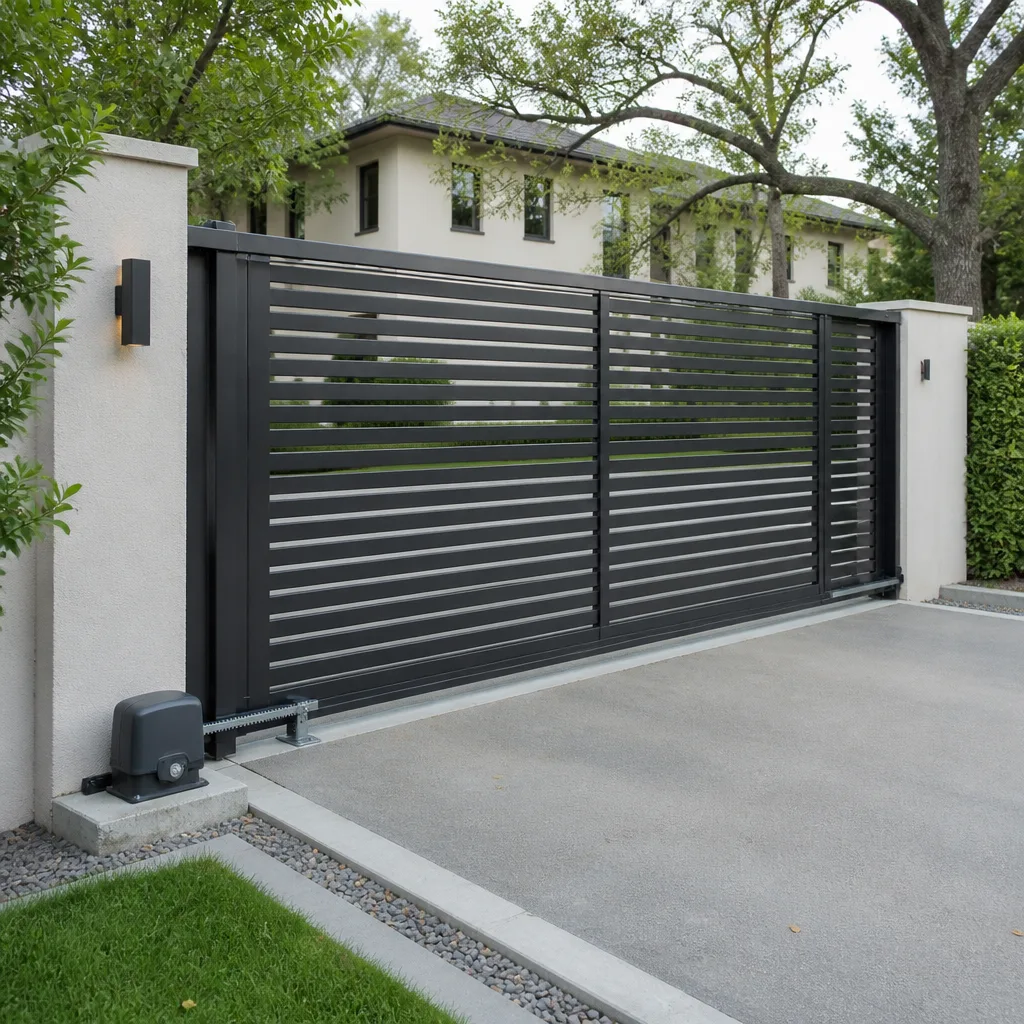 Sliding driveway gates
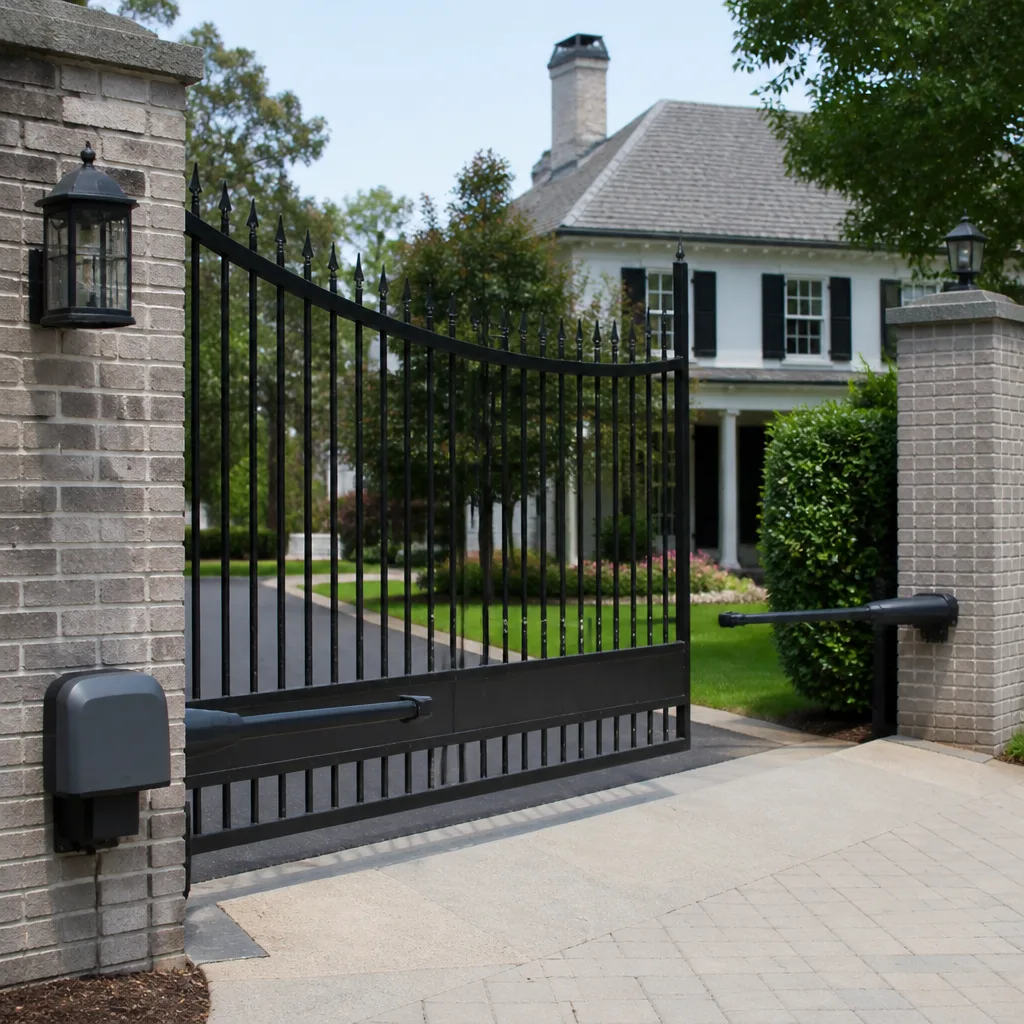 LiftMaster operators
Free on-site gate assessment - hinges, posts, and your LiftMaster or Nice gate operator checked before anything is quoted
The assessment is free and the quote is the invoice.
Get your free estimateGate Repair Troubleshooting in Waco: Common Problems and How to Fix Them
A gate that reverses before it closes and a gate that won’t open at all look like completely different failures. Most of the time, they trace back to the same root cause: a limit switch that has drifted out of calibration. Homeowners in Waco, and more than a few generalist repairmen, replace the motor or the control board first and the gate still misbehaves. This guide teaches you to read symptoms the way a gate technician does, mapping what your gate is doing to the system actually causing it. You’ll learn the five root causes behind most failures, what specific fault codes mean for operators common in Central Texas, and when a DIY fix is legitimate versus when it costs you a warranty.
Quick Answer
Most automated gate failures in Waco fall into one of five categories: the operator motor, the control board, the safety devices (photo eyes, safety edges, or loop detectors), the limit switches, or the mechanical drive (chain, track, rollers). Troubleshooting starts with watching the gate cycle and matching the symptom to one of those five systems before touching any hardware. A gate that reverses is usually a safety device or limit issue, not a motor problem, and replacing the operator before diagnosing those is the most common and most expensive mistake we see.
Styles & brands we work with
- Wrought iron
- Wood & steel frame
- Farm & ranch
- Sliding driveway gates
- LiftMaster operators
Table of Contents
- Symptom-to-System Mapping: The Five Root Causes
- Reading Fault Codes on Waco-Area Operators
- Why Central Texas Heat Kills Capacitors in Swing Operators
- The Reset-and-Relearn Sequence for Phantom Reversals
- Mechanical Problems: Tracks, Chains, Rollers, and Hinges
- Loop Detectors, Safety Edges, and Photo Eyes
- When a DIY Fix Is Legitimate vs. When It Costs You
- Common Mistakes to Avoid
- When to Call a Professional
- Frequently Asked Questions
Symptom-to-System Mapping: The Five Root Causes
Before you touch a screwdriver, watch the gate run through a full cycle. Listen, watch, and time it. The symptom narrows the field more than any other single step, and it’s the same first step a gate technician takes on arrival.
Here’s how symptoms map to systems:
- Gate won’t move at all and the operator is silent: Power, control board, or a tripped breaker. Check the breaker and any disconnect switch before anything else.
- Operator hums but the gate doesn’t move: Usually a failed capacitor or a stuck motor on swing operators. On slide operators, it’s often a seized motor or binding track.
- Gate reverses partway through closing: Safety devices or limit switch calibration. This is the most misdiagnosed symptom bay area homeowners call us about, and it almost never means a dead motor.
- Gate opens but won’t close, or closes but won’t open: Limit switch or a one-direction safety input. Occasionally a control board logic fault.
- Gate runs but doesn’t latch or doesn’t fully open: Mechanical drive alignment, track debris, or a limit switch set too early.
Waco’s climate plays into a few of these more than others. Long stretches of summer heat thin out capacitors and stress control boards, and dry, dusty periods leave grit in track channels on slide gates along driveways in neighborhoods like Woodway and Hewitt. That grit turns into drag, and drag burns out motors over a season or two. The category matters because each one carries a different fix cost and a different urgency, and knowing which one you have means one visit instead of three. If your system is past simple troubleshooting, our gate repair page covers what a service visit actually looks like.
Reading Fault Codes on Waco-Area Operators
Most modern operators blink a diagnostic code when they fail. The trick is knowing which light is blinking and what that pattern actually means. Two blinks and five blinks are very different diagnoses, and reading the code wrong wastes the visit.
A few things to know about the operators we see most in Waco:
- LiftMaster LA500: Diagnostic lights count a code and pause between sets. A short blink count usually points to a specific input, not a motor fault. The manual’s code table is the only reliable decoder, and the manual is usually not in the box on an existing install.
- Viking operators: Faults tend to come from the safety input side (photo eye alignment, loop detector sensitivity) more than the drive. Aligning the photo eye or clearing a false loop read often clears the code.
- FAAC hydraulic operators: Faults often point to the hydraulic unit or its limit/encoder, and the operator can slow or hesitate before the code appears. That hesitation is a clue, not a coincidence.
- DoorKing and Elite: Commercial units often tie faults to the access control and safety input layer. A code that looks like a motor fault is frequently a stuck loop, a bad edge, or an access device losing power.
On a commercial entrance, a fault code almost always has a safety layer underneath it. Waco facilities with multi-unit access points should look at the whole input chain, not just the operator, because a false loop or a misaligned edge will throw the same code as a binding gate. An operator with a fault and no clear manual is exactly the kind of job where bringing in a gate specialist saves the day. You can find that service through our electric gate repair page.
Why Central Texas Heat Kills Capacitors in Swing Operators
Capacitors are small, cheap, and the single most common failure point in swing gate operators across Central Texas. Between June and September, Waco heat sits in the 90s and low 100s for weeks, and the inside of an operator housing bakes. Electrolytic capacitors, the type most swing operators use, age faster when they’re hot, and they eventually fail to deliver the boost the motor needs to start.
Here’s what a failing capacitor looks like:
- Operator hums but the gate doesn’t move, or moves very slowly. That’s the motor straining without the start boost.
- Gate stalls on hot afternoons and moves fine in the morning. That’s a capacitor degrading in temperature. Note the time of day it stalls.
- Motor gets hot quickly and the operator’s internal fan runs longer than normal. Heat stress on the capacitor is showing up elsewhere.
- The gate starts a cycle and takes several seconds to actually move. Lag is a common precursor before full failure.
On many swing operators the capacitor is field-replaceable, but a replacement that doesn’t match the original spec can damage the motor or the board, and aftermarket parts vary wildly in quality. The important point for a Waco homeowner is that humming and slow starts are an electrical signal, not a mechanical one. A technician can test the capacitor and confirm it before replacing anything. If your gate is doing this right now, don’t let it run hot all summer; heat stress on a bad capacitor can take the control board with it, and that’s the expensive part. When you catch the symptom early, the fix stays small.
The Reset-and-Relearn Sequence for Phantom Reversals
Phantom reversals are the gate that closes, pauses, and opens again without anything in the way. Most of the time the hardware is fine, and the operator has simply lost its travel calibration. The reset-and-relearn sequence, which clears stale calibration and re-teaches the operator the gate’s travel limits, fixes a surprising share of these without replacing a single part.
We do this in a specific order:
- Clear the obstruction. Make sure nothing is on the track, hinge, or swing path. A single pebble will trigger a safety input.
- Check the safety devices first. Wipe the photo eye lens and check for spider webs, dust, or sun glare hitting the lens. Look at the safety edge along the bottom and the loop sensor if the gate uses one. A false safety read produces the same reversal as bad calibration.
- Enter programming mode per the operator’s manual. Every operator has a re-learn or re-set procedure; do not run a generic sequence on a brand you haven’t confirmed. LiftMaster, Viking, and FAAC operators all differ in the button sequence.
- Run the full travel re-learn. Let the gate open fully, close fully, and let the operator set its limits from that cycle. Don’t interrupt the cycle.
- Test the cycle three times. If the reversal is gone, you’ve solved it. If it returns, the operator is misreading a limit switch or a safety input, and that’s a hardware diagnosis.
One more thing: on commercial gates, the safety edge and loop system tie into the operator’s logic, and a re-learn that ignores a misaligned edge won’t hold. If the reset fixes a residential driveway gate but comes back on a community entrance, look at the access-control and safety layer before the operator’s settings. That’s the difference between a five-minute fix and a return visit.
Mechanical Problems: Tracks, Chains, Rollers, and Hinges
Mechanical failures are the easiest to spot with your own eyes, and the easiest to ignore until they escalate. The mechanical system is the chain, track, rollers, hinges, and gate panel. If any of those show wear, drag, or misalignment, the operator is going to fail eventually, even if the electrical parts are fine right now.
Common mechanical issues in Waco:
- Debris in the track channel. Central Texas dust, grass clippings, and leaf litter collect in slide gate channels. A gate rolling on grit wears the rollers fast.
- A dry or stretched chain. A chain that has lost tension will slip off the drive sprocket. A chain that’s dry will wear the sprocket teeth.
- Hinge sag on swing gates. A heavy swing gate can settle over the seasons, and sag pulls the gate off its swing geometry. The operator compensates by straining the motor.
- Rollers flattened or worn. A roller that’s worn flat causes the gate to wobble on the track and triggers safety inputs.
- Posts that have shifted. A post that moves changes the entire geometry of a slide gate. This is often why a gate that ran fine stops lining up.
The mechanical layer needs the same deliberate inspection as the electrical layer. If a gate drags or wobbles, it’s a walking inspection of the track, hinges, rollers, and chain. A technician with gate-specific experience will see a worn roller or a loosened post in minutes, and that detail matters on older driveway gates around Waco where the ground has settled over time.
Loop Detectors, Safety Edges, and Photo Eyes
The safety layer is the most misunderstood part of an automated gate. Loop detectors, safety edges, and photo eyes exist to stop the gate for vehicles and people, and when any of them false-triggers, the gate looks broken even though the operator and motor are perfectly healthy.
How each one fails:
- Loop detectors (buried in the driveway): The loop itself is a wire in the pavement, and it can be cut by digging, cracked by root pressure, or thrown off by groundwater. A false read keeps a gate open or stops it mid-cycle.
- Safety edges (the rubber strip on the gate or post): The edge is a pressure sensor, and the wiring runs through the gate frame. A cracked insulation or a loose connector creates a phantom edge trigger.
- Photo eyes (the paired sensors across the opening): Misalignment from a bumped post, dust on the lens, or direct afternoon sun in the eye can all cause a false block. In Waco, sun angle changes seasonally, and an operator that fails only in late afternoon is telling you the photo eye is sun-blind.
Commercial entrances in Waco often stack all three, plus an access-control keypad, card reader, or intercom. When a facility manager calls about a gate that “won’t close,” the odds are high that one of these three inputs is the actual cause. Diagnosing that is a separate skill from motor repair, and it’s why gate specialists test the full safety chain rather than swapping the operator. A generalist who replaces the board and leaves a false loop in place will be back next week.
When a DIY Fix Is Legitimate vs. When It Costs You
Some gate issues are genuinely within reach for a homeowner. Others are not, and some are actively dangerous or legally risky. Knowing where the line sits protects your wallet and, on a commercial property, your liability.
Legitimate DIY fixes:
- Clearing debris and grit from the track channel.
- Wiping dust, cobwebs, or pollen from a photo eye lens.
- Straightening a photo eye housing that’s been bumped and confirming alignment.
- Clearing obstacles in the swing path or track before calling anyone.
- Checking the breaker and the disconnect switch.
What not to do yourself:
- Opening the operator housing on a live circuit. The control board holds line voltage, and an accidental short can damage the board and, more seriously, injure you.
- Replacing a control board or capacitor without matching specs. Wrong-spec parts are a common cause of repeat failure, and an incorrect part can void the operator’s warranty.
- Adjusting limit switches on a commercial gate without the manual. On a commercial entrance, a badly set limit is a crush hazard and a liability gap.
- Bypassing a safety edge or loop “just for now.” This is a liability issue on commercial property and a genuine safety problem on any gate with vehicle traffic.
On a commercial property in Waco, insurance and liability concerns are part of the picture. A disabled safety device or an improperly repaired operator turns a routine repair into an exposure. On a residential gate, the risk is mostly warranty and safety. If your operator is still under warranty, opening the housing can end that coverage. The honest question is whether the fix is a cleaning job or a diagnostic job. Cleaning is fine; diagnosis needs someone who knows the brand and the safety layer.
See the difference
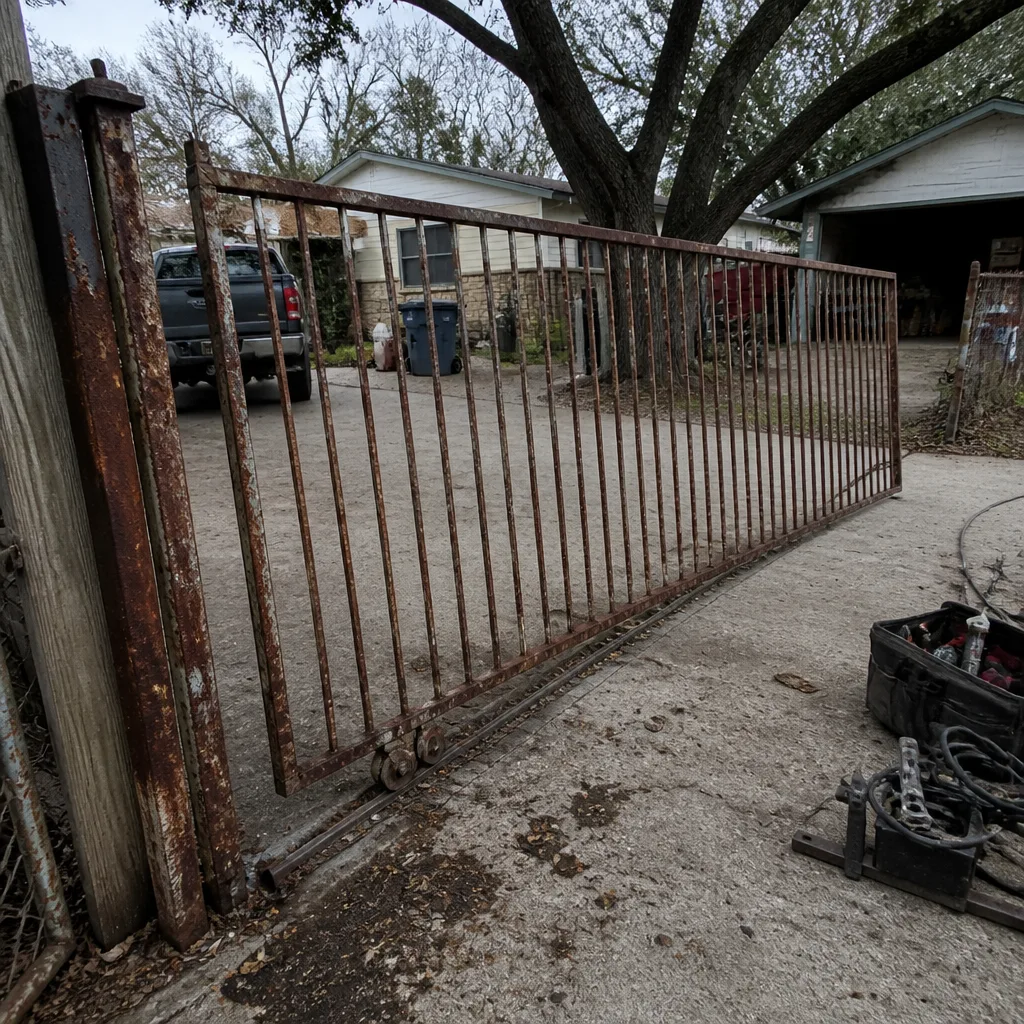 Before
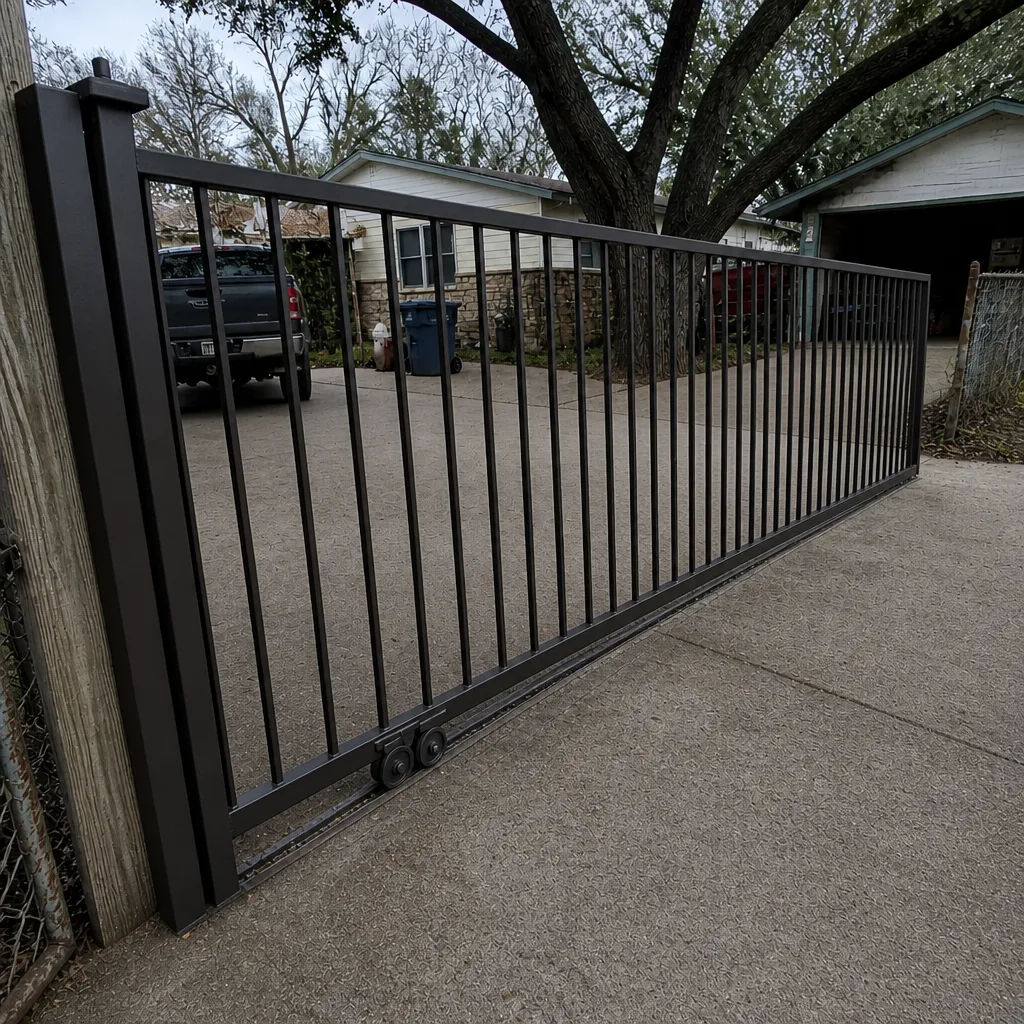 After
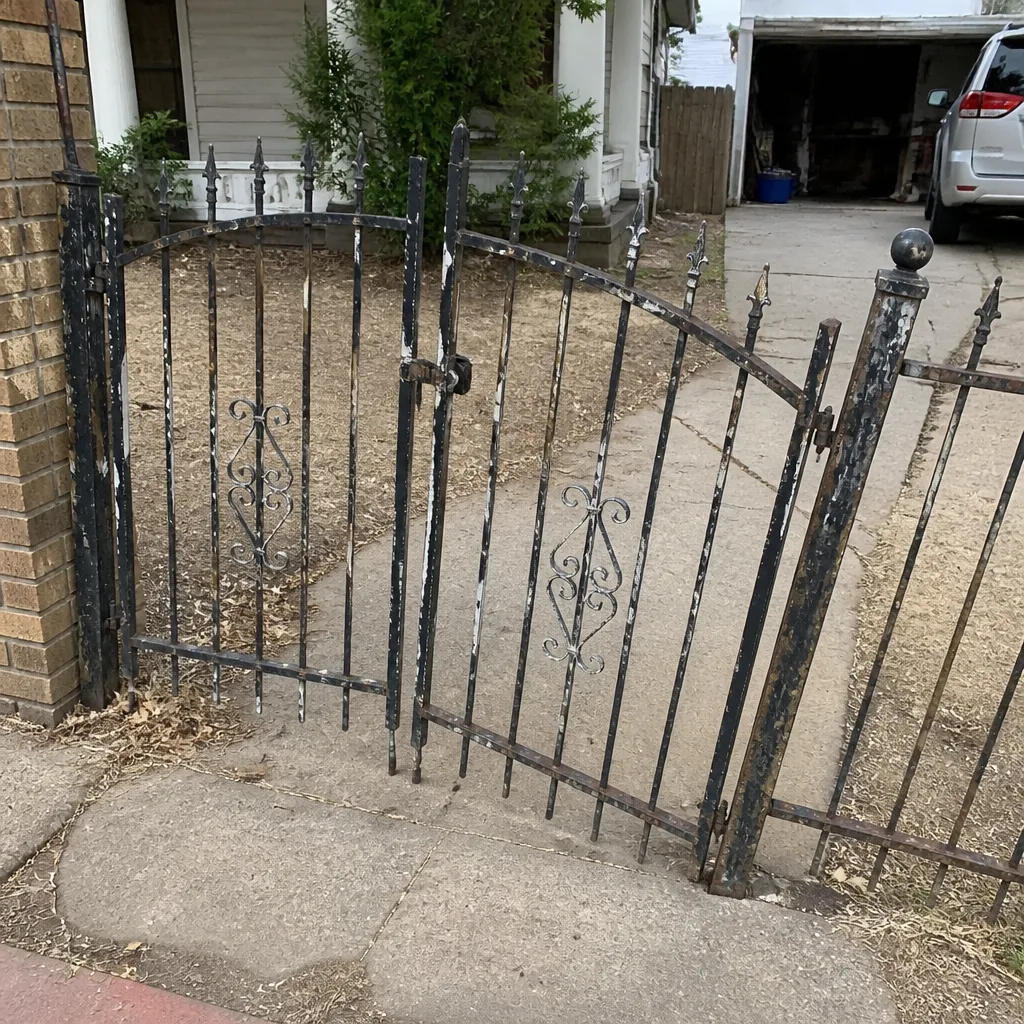 Before
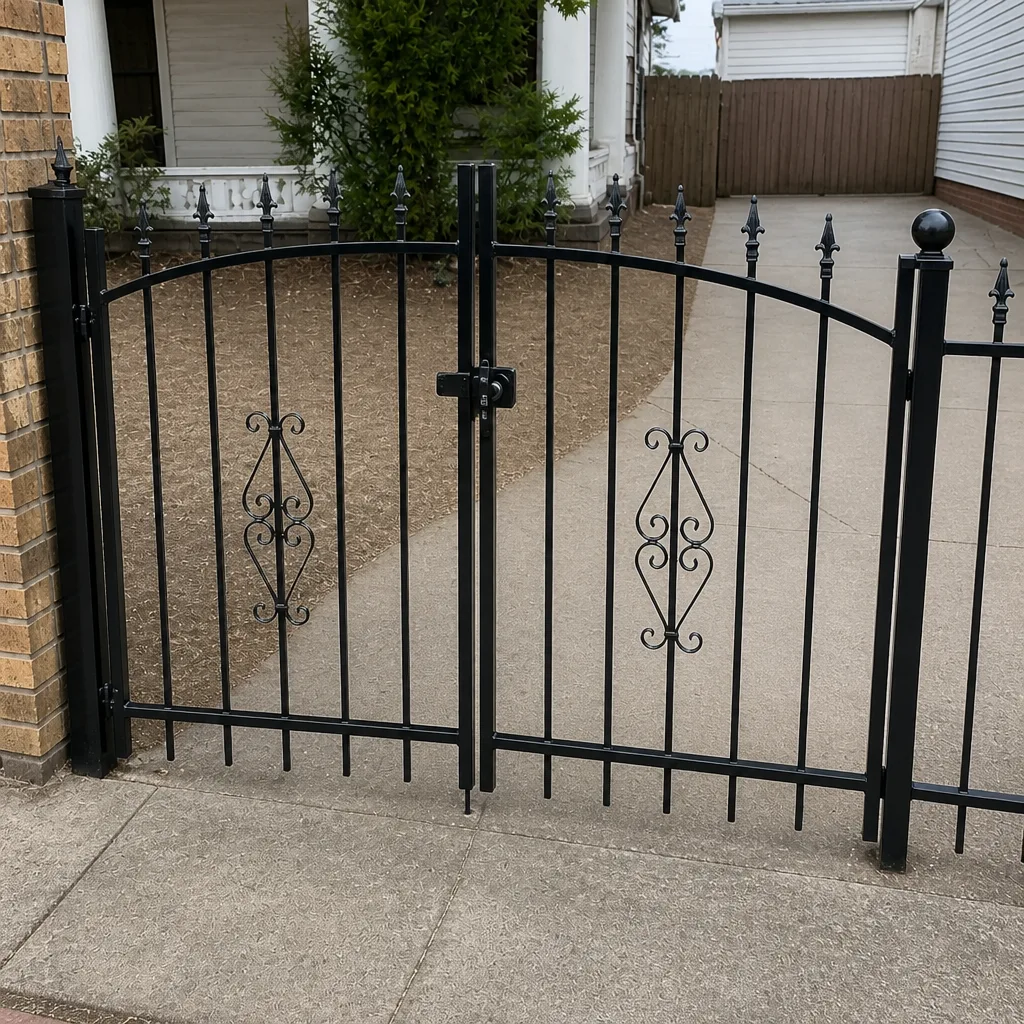 After
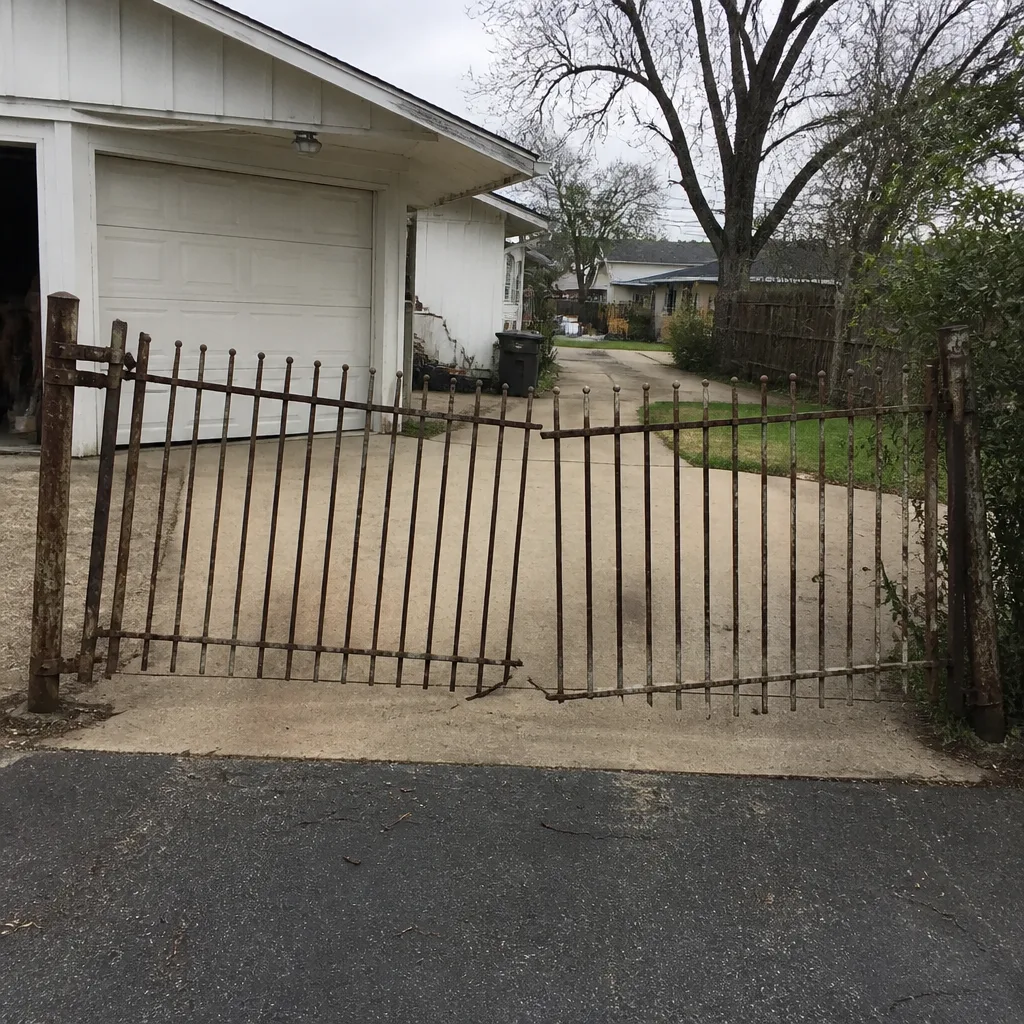 Before
 After
Common Mistakes to Avoid
- Replacing the motor before checking the safety devices. A phantom reversal is a safety or limit issue most of the time, and swapping the operator is the most expensive way to be wrong.
- Ignoring a hum or a slow start because the gate still opens. That hum is a capacitor failing, and running it through a hot Waco summer is how the control board becomes the second repair.
- Assuming a fault code means a motor. On DoorKing and Elite systems especially, the code usually points to the safety and access layer, not the motor.
- Skipping the re-learn after replacing a battery or clearing a code. Operators lose calibration with power loss, and a full travel re-learn fixes more phantom reversals than any part swap.
- Letting debris build up in the track channel for a season. Central Texas dust and pollen turn a track into a wear surface, and a cleaning now prevents a roller replacement later.
- Bypassing a safety edge on a commercial gate. It’s a liability issue, and a property manager who allows it can own the consequences of a collision.
When to Call a Professional
Call a professional if the gate won’t respond to a reset, if the operator hums or stalls, if a fault code keeps returning after the safety devices have been cleaned and checked, or if the gate is on a commercial entrance where the safety chain has to work perfectly. Also call if you’re unsure which brand’s manual applies or you can’t find the fault code table. The five-category diagnosis in this guide gets you partway, and the last mile is the brand-specific work. At Gate Repair Waco, we work on the nine named brands we’ve been trained on, from Mighty Mule and Ghost Controls to FAAC and DoorKing, and we quote each job by written estimate before starting. Free estimates in Waco, so call (855) 638-3208. We answer 24/7. Fast dispatch from 7am to 7pm, Sunday through Friday.
Frequently Asked Questions
A reversing gate is usually a safety input or a calibration issue, not a failed motor. The gate’s photo eye, safety edge, or loop detector is probably reading an obstruction that isn’t there, or the limit switch has drifted out of calibration. Run a full travel re-learn first, then check the safety devices. If the reversal returns, call (855) 638-3208 for a diagnosis; the visit is quoted before any work starts.
Many repairs can be completed the same day, depending on the part and the brand. A capacitor, a photo eye alignment, or a re-learn job is often done in one visit. A control board or operator replacement may need a part order, in which case we give you a date and a written price up front. Call (855) 638-3208 to book a same-day slot. We answer 24/7. Fast dispatch from 7am to 7pm, Sunday through Friday.
A LiftMaster LA500 fault code is a count sequence from the diagnostic lights, and the code table in the operator’s manual is the only reliable decoder. Codes usually point to a specific input or limit condition rather than a dead motor. If you don’t have the manual, don’t guess; a technician with LA500 experience will read the code and test the corresponding input. Call (855) 638-3208 for an exact quote.
A swing gate that stalls when it’s hot is usually showing a failing capacitor. Central Texas summer heat inside the operator housing accelerates capacitor wear, and the motor loses its starting boost as the housing heats up. The gate moves fine in the morning and struggles by late afternoon. Catching it early keeps the repair small. Call (855) 638-3208 for a free estimate and a capacitor test.
Repairs generally don’t require a permit, but new installations and electrical work can. Ask the City of Waco building department how your specific project is classified, and check that any electrician you hire holds a license with the state. Ask for license information before work starts. If you want a repair quoted in writing, call us at (855) 638-3208.
It can if the repair involves opening the housing or replacing parts with non-matching specs. Many operator warranties exclude field modifications that aren’t approved. If your gate is still under warranty, have the diagnosis done by a technician who knows the brand and can document the repair. Call (855) 638-3208 for a free estimate on a warranty-safe repair.
The Bottom Line
Five root causes explain most gate failures: the operator motor, the control board, the safety devices, the limit switches, and the mechanical drive. Read the symptom first and map it to the system before you buy a part. A reversing gate is a safety or calibration problem far more often than a motor problem. Heat is the top cause of capacitor failure around Waco, and a hum or slow start is a signal to act, not ignore. The re-learn sequence fixes phantom reversals without hardware, and any fix involving line voltage or a safety device belongs with a gate specialist. Get the diagnosis right and the repair is smaller.
If your gate has a symptom you can’t place, call Gate Repair Waco at (855) 638-3208 for a free estimate. We answer 24/7. Fast dispatch from 7am to 7pm, Sunday through Friday. We work on your brand, from the motor to the keypad, and we’ll tell you when a repair makes sense and when a replacement does. If you’re still deciding, the Waco service page has the full picture of how we work.
Written by the team at Gate Repair Waco, serving Waco since 2018.