
Last updated November 14, 2026
 Wrought iron
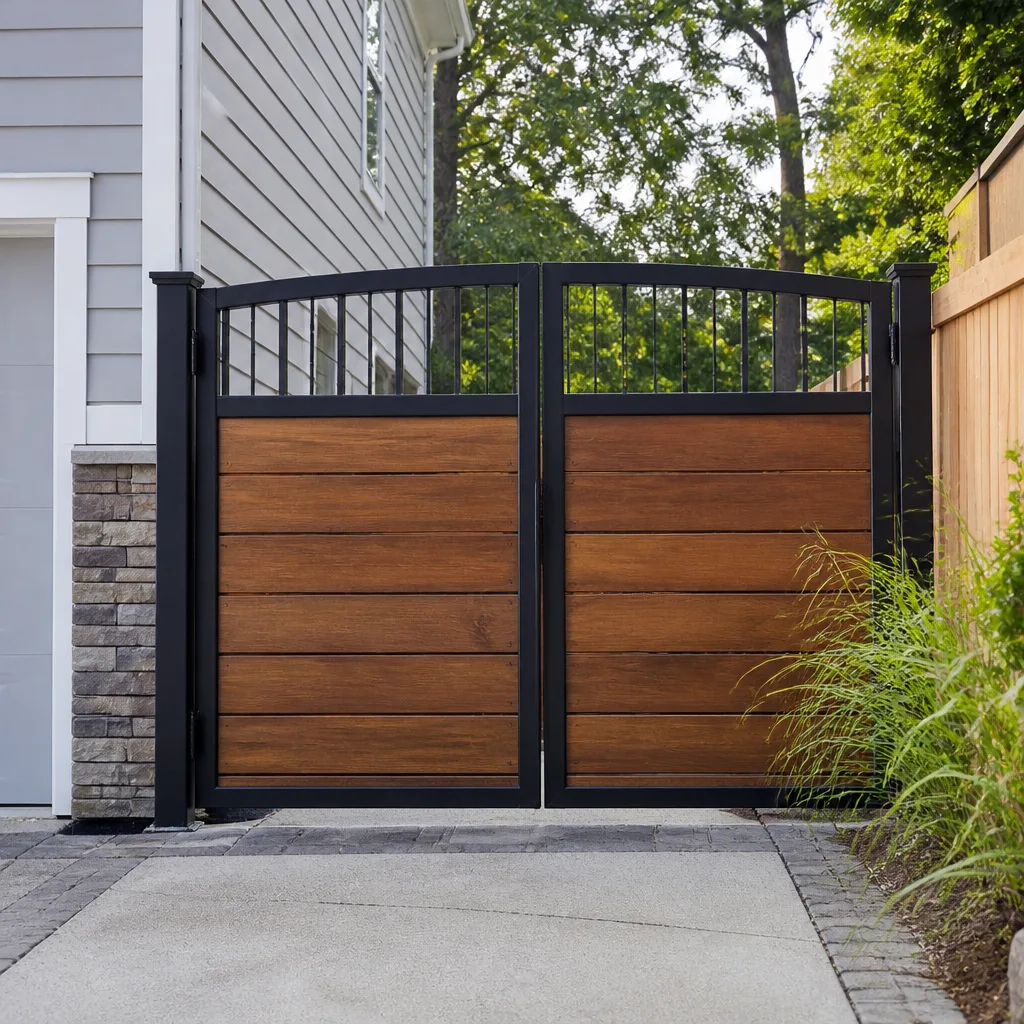 Wood & steel frame
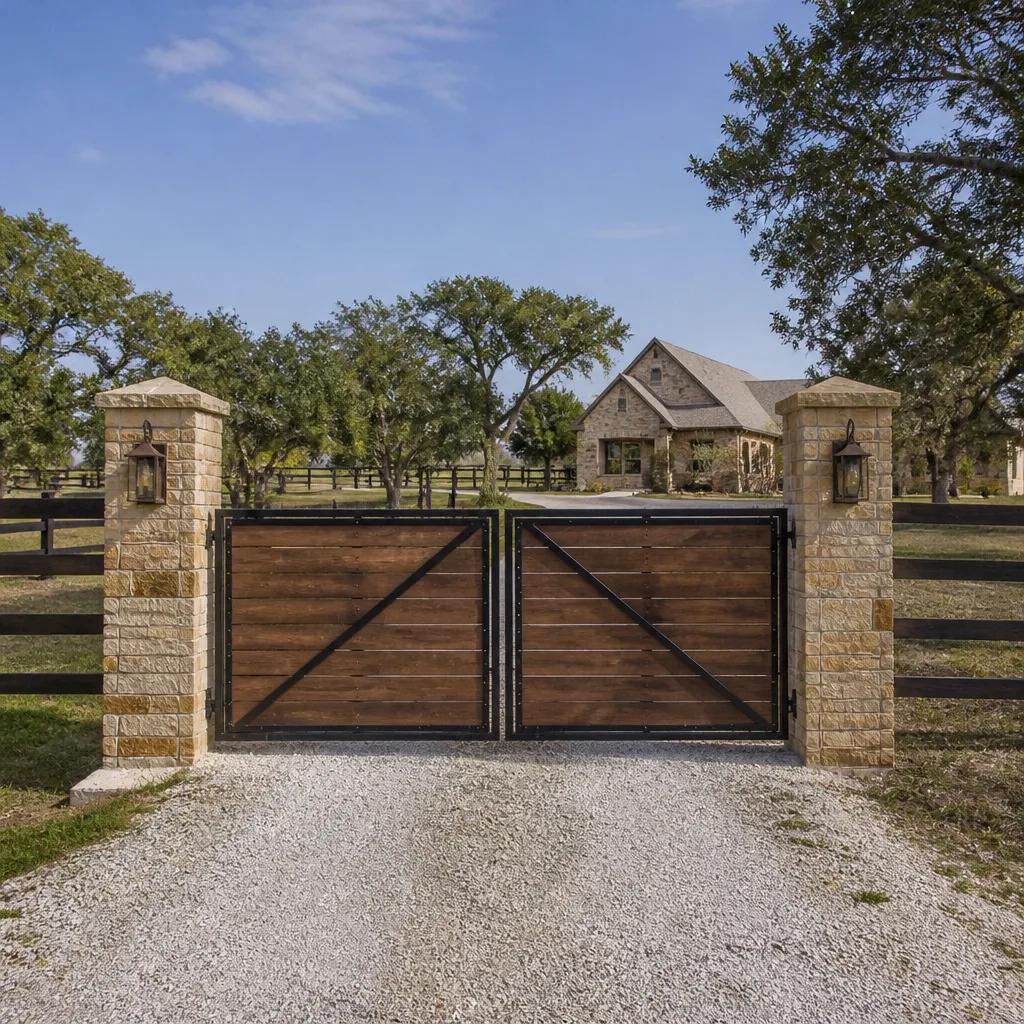 Farm & ranch
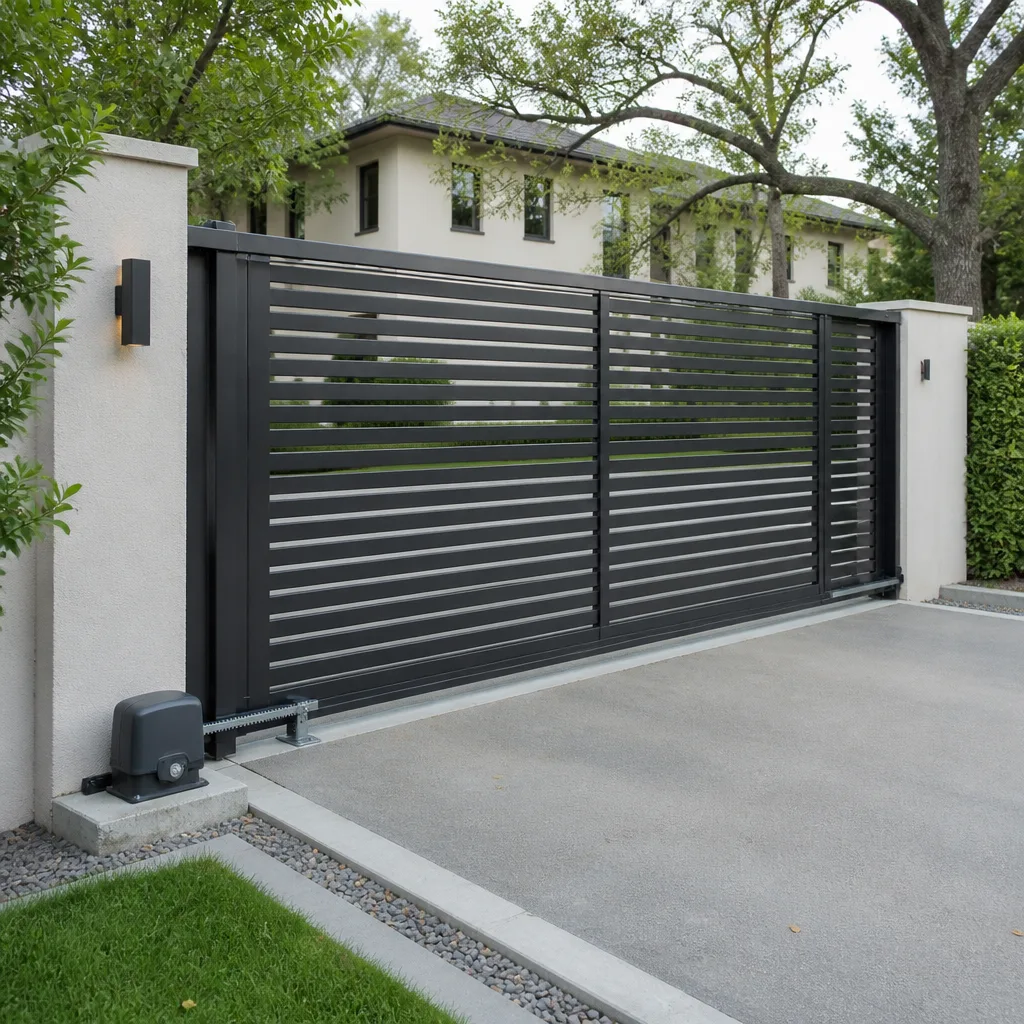 Sliding driveway gates
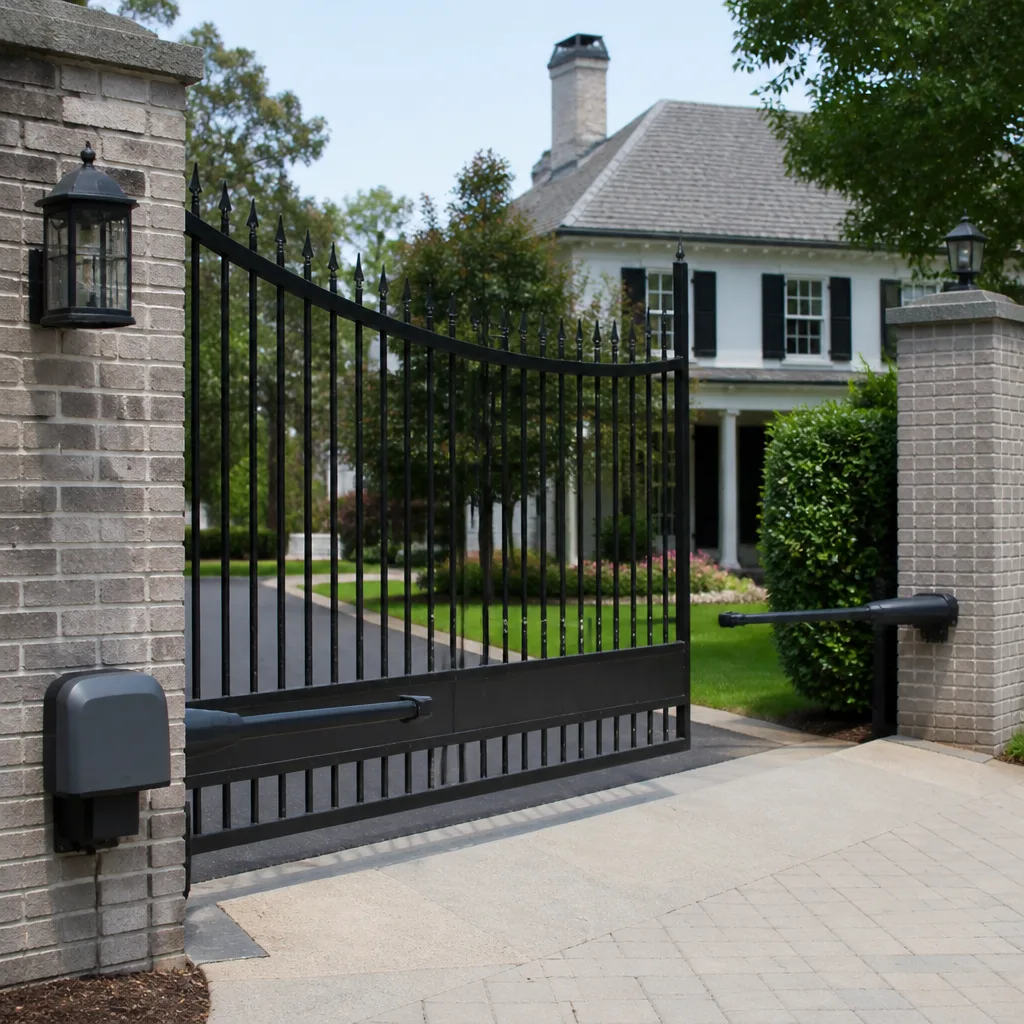 LiftMaster operators
Free on-site gate assessment - hinges, posts, and your LiftMaster or Nice gate operator checked before anything is quoted
The assessment is free and the quote is the invoice.
Get your free estimateSeasonal Gate Repair Care for Waco: Year-Round Homeowner’s Guide
Most gate owners think about their operator twice: the day it’s installed and the day it stops working. That gap is where the money goes. Waco’s gate failure calendar is predictable if you know what to look for. Clay that swells through the wet months quietly pushes posts and misaligns hardware. The first prolonged stretch above 95°F shuts down operators that handled winter without a complaint. Storm season delivers the surges that fry control boards, and mild winters let corrosion work on latches and battery backups without anyone noticing. This guide walks through the year month by month, built around Central Texas conditions rather than generic spring-and-fall advice, so the reader can get ahead of the failures instead of reacting to them.
Quick Answer
Seasonal gate maintenance in Waco follows a specific cycle: check alignment and hardware after the wet spring clay expansion, verify thermal settings and duty cycle before summer heat arrives, inspect surge protection and photo eye housings ahead of storm season, and test batteries and clean latch mechanisms through the mild winter. Matching tasks to those windows prevents the majority of electric gate emergencies. A trained technician performs each inspection in one on-site visit, and any repairs are quoted in writing before work starts.
Styles & brands we work with
- Wrought iron
- Wood & steel frame
- Farm & ranch
- Sliding driveway gates
- LiftMaster operators
Table of Contents
- Why Waco Gates Fail on a Predictable Schedule
- Spring: Post-Heave Alignment Checks After Wet-Season Clay Expansion
- Summer: Thermal Protection and Duty Cycle on Automatic Operators
- Storm Season: Surge Protection, Photo Eyes, and Control Board Warnings
- Winter: Latch Corrosion and Battery Backup Degradation
- The Month-by-Month Task Calendar
- Manual Gates Need Seasonal Care Too
- Repair or Replace: How to Tell Which Makes Sense
Why Waco Gates Fail on a Predictable Schedule
Waco’s gate repair calls don’t cluster by accident. The busiest stretch of the year consistently lands in the first extended heat wave above 95°F. Operators that made it through winter without a complaint hit their thermal limits in that window, and control boards that absorbed a spring lightning surge weeks earlier finally give out. Both failures look sudden to the homeowner. Neither one is.
The soil does the slow work. Waco’s expansive clay holds water through the wet months and swells, pushing gate posts and shifting the plumb of hinges. When it dries and shrinks through summer, everything settles back, but rarely to exactly where it started. Hardware that was aligned in March can bind or catch by August. This is the single biggest difference between gate care in Central Texas and gate care in places with stable soil.
Add storm season to the clay cycle and you get a sequence that repeats year after year:
- Spring: Clay heave misaligns latches, hinges, and track; winter moisture has already started corrosion.
- Early summer: Thermal shutdowns and duty-cycle failures arrive with the heat.
- Storm season: Power surges from lightning and grid flicker damage control boards and access hardware.
- Mild winter: Corrosion keeps working on latches and terminals, and battery backups quietly age out.
We work on gates every day of the week, and this pattern holds whether the gate is a residential driveway arm or a shared entrance at a commercial property. What changes is the stakes. A homeowner with a stuck gate has a driveway problem. A facility manager with a stuck gate has a security gap and a line of residents or staff working around it.
The good news is that the calendar is knowable. Once you match maintenance to it, most emergency calls stop happening in the first place. The rest of this guide breaks that down month by month.
Spring: Post-Heave Alignment Checks After Wet-Season Clay Expansion
Spring is when Waco’s clay soil is at its most active. After months of rain, the ground under and around gate posts swells, and the pressure does not distribute evenly. Posts move slightly. Concrete footings shift. Hinges on swinging gates take on new loads, and sliding gates can drift off their track by a fraction of an inch. That fraction is enough.
The visible symptoms of a spring alignment problem usually show up before a full failure. Watch for these:
- The gate drags or catches partway through its swing or slide.
- The latch no longer lines up without a lift or push.
- A swinging gate will not rest closed on its own, or a slide gate stops short of the limit.
- The operator runs longer than it used to before the gate reaches full travel.
- Warning lights on the control board start blinking with a fault code.
On automatic systems, misalignment is a hidden cost. The operator compensates for a binding gate by pushing harder, which wears the motor and stresses the control board. A gate that takes twelve seconds to open in March and eighteen seconds in April is telling you something before it stops moving entirely.
What a spring inspection covers
A proper spring check on a Waco gate is not just a visual walkthrough. It covers post plumb, hinge and latch alignment, track or guide condition on slide gates, and the limit settings on the operator. If the alignment has drifted, the fix is usually adjustment, not replacement. That is the time to make it, before the dry season locks in whatever the clay has pushed out of place.
For a swinging gate, that means checking that the post is still vertical, that hinges are tight and moving freely, and that the latch catches without force. For a slide gate, it means inspecting the track for debris and checking the rollers. Both types need the operator’s open and close limits recalibrated if anything has shifted. Limp or slow-moving gates wear the operator faster, which turns a cheap adjustment into a bigger repair later.
If you’re dealing with a gate that has drifted out of alignment or one that runs unevenly after the wet season, our gate repair team can pull it back into spec before the heat sets in.
Summer: Thermal Protection and Duty Cycle on Automatic Operators
Thermal protection is the single most important setting on an automatic gate operator in Central Texas, and it’s the one most homeowners never think about until the gate stops mid-cycle in July. Operators are rated for a duty cycle – how much work they can do in a given period before they need to cool. Residential operators and light-commercial units are typically rated for less continuous operation than the user assumes, especially on shared entrances where dozens of vehicles pass through each day.
Waco’s summer heat pushes operators toward their thermal limits. When the control board senses the motor getting too hot, it shuts the gate down as a protective measure. That shutdown is the operator doing its job. It is not a failure, though it feels like one when your gate freezes open on a 100°F afternoon.
There are three layers to managing this before the heat arrives:
- Check the duty-cycle rating against actual traffic. Count how many times the gate cycles on a busy day. A residential driveway might see a few dozen cycles. A shared community entrance or commercial lot can see hundreds. If the operator is running past its rated duty cycle, thermal shutdowns are inevitable and the fix is a duty-appropriate operator, not a repair.
- Verify the thermal settings on the control board. Operators from LiftMaster and FAAC have configurable thermal behavior. A technician can check that the thermal threshold and cool-down cycle match the site, so the gate recovers predictably instead of shutting down for longer than the job requires.
- Reduce wasted cycles. Check that the operator isn’t being tripped by a misaligned photo eye, a loose loop, or a bad keypad input. Every false trigger is a cycle the operator didn’t need to run.
Do this before the first big heat wave, not after. Once the temperature climbs, the operator is already running hot and the margin for adjustment is gone. A trained technician can also check motor draw and bearing condition at the same visit, since both contribute to heat buildup.
The brands we work on span the full range, from consumer-grade Mighty Mule units up to commercial-grade FAAC operators. Thermal behavior and duty ratings vary significantly across them, which is why the inspection is specific to what is actually installed on the gate.
Storm Season: Surge Protection, Photo Eyes, and Control Board Warnings
Storm season is when Waco’s electric gate repair calls spike from a different direction. Lightning strikes and grid flicker send power surges through the gate circuit, and the components that take the hit are almost always the control board and the access hardware. A surge doesn’t always kill the board outright. It can leave damage that looks fine for weeks and then fails under load.
The warning signs on a control board that have taken a surge close call are worth knowing:
- Fault codes that appear intermittently and clear themselves.
- The gate behaving inconsistently – sometimes opening fully, sometimes stopping short.
- An access keypad or intercom that responds slowly or needs to be pressed twice.
- The operator resetting or losing its limit positions without being touched.
- Burn marks or discoloration on the board, the terminal block, or the surge protection component.
If any of those show up after a storm, the board is worth inspecting before it fails completely. A control board that gets caught early can often be repaired. Caught late, it takes a full board replacement with the operator down in the meantime.
Photo eye inspection
Photo eyes are the safety pair that stops the gate when something crosses its path. Storm season is when their housings take the most abuse. Check that both housings are intact, mounted securely, and free of moisture. Water intrusion into a photo eye housing causes false trips, which means the gate stops unexpectedly, which is a safety problem and a wear problem at the same time.
Surge protection itself deserves a look. If the operator’s surge suppression component has already absorbed a strike, it’s spent, and it won’t protect the next time. A technician can inspect the protection on the circuit and tell you whether it’s still doing its job.
Doing this work after a storm is reactive. Doing it before storm season means the surge protection is fresh and the photo eyes are sealed, which is the whole point of the seasonal approach. If your board shows any of the warning signs above, our electric gate repair technicians can diagnose whether it’s a repairable fault or a replacement before it strands the gate.
Winter: Latch Corrosion and Battery Backup Degradation
Waco winters are mild, which is exactly why latch corrosion and battery degradation slip past notice. There’s no hard freeze to remind anyone to check the gate. Instead, the short wet season and cool overnight temperatures let moisture sit on latch mechanisms, hinge points, and terminal connections, quietly corroding metal that hasn’t been touched since spring.
Latch corrosion shows up first as stickiness. The latch gets harder to engage, then it starts catching, then it stops lining up. On a manual gate you feel it in your hand. On an automatic gate it shows up as a fault or a gate that won’t finish its close cycle. Left alone through the winter, it can freeze the latch into a position that requires replacement.
The fix is simple: clean and lubricate the latch mechanism, hinge pins, and any exposed hardware before the cool season, and again partway through. Wipe down terminal connections at the control board. This is also the right time to inspect the operator’s battery backup.
Battery backup degradation
Most automatic gates run a battery backup or a small battery to retain settings and keep the gate moving if power drops. Those batteries age quietly. A battery that was strong in spring may barely hold a charge by midwinter, and you won’t find out until the power goes out and the gate won’t open. Testing the backup on a seasonal basis catches this before a grid event does.
Winter in Central Texas doesn’t ask much of a gate compared to summer. But the maintenance that happens in winter is what keeps the gate ready for the heat, the storms, and the clay movement that follow. Skip it, and you feel it in spring.
The Month-by-Month Task Calendar
Here is the seasonal cycle pulled into a practical task list. Use this as your schedule, adjust for what’s actually failing on your gate, and re-check after any major storm.
- Early spring (after the wet season): Post-heave alignment check. Verify post plumb, hinge and latch alignment, and track condition. Recalibrate operator limits if anything shifted.
- Late spring: Clean and lubricate hinges, latches, and track. Inspect the operator’s duty-cycle setting against actual traffic before heat arrives.
- Early summer: Verify thermal protection settings on the control board. Check motor draw and bearing condition. Reduce false cycles from misaligned photo eyes or loops.
- Mid summer: Monitor for thermal shutdowns. Confirm the operator doesn’t have reduced access during the hottest part of the day. If it does, the duty rating is wrong for the site.
- Pre-storm season: Inspect surge protection and replace if it has already taken a hit. Seal photo eye housings and verify mounting.
- Post-storm (after any significant event): Check the control board for intermittent fault codes and test access hardware.
- Fall: Clean and lubricate latches and hinges again. Inspect for corrosion building at terminals and latch contact points.
- Winter: Test the battery backup. Clean terminal connections. Confirm the latch engages smoothly without force.
The two highest-value items on that list are the post-heave alignment check in spring and the thermal verification in early summer. Those are the two tasks that prevent the most common Waco gate emergencies. Everything else is support work, useful but more forgiving of timing.
Manual Gates Need Seasonal Care Too
A manual gate has no operator, control board, or battery to worry about, so it’s easy to assume it needs less care. The opposite is true in some ways. A manual gate depends entirely on hinges, latches, and posts to work, and Waco’s clay is coming for all three.
Spring alignment checks apply fully. Hinges and latches should be cleaned and lubricated on the same seasonal schedule. Post movement from clay heave can make a manual gate drag, and a dragging gate is a gate you force, which bends hardware and wears hinges faster. The failure of a manual gate is quieter than an automatic one. Nothing beeps or flashes a fault. It just gets harder to open until the owner finally gives up on it.
For automated systems, keep in mind the full coverage picture. The gates we work on range from residential driveways with a Mighty Mule arm up to shared commercial entrances running Elite or DoorKing operators. The brand list is broad because the gate itself is what matters, not the badge on the operator. Diagnosis moves faster when the technician knows the specific unit without looking it up on-site.
All of that is background to the real point: a manual gate and an automatic gate fail for different reasons, but both fail on the same seasonal schedule in Waco. Match the maintenance to the calendar and you’re ahead of the curve either way.
Repair or Replace: How to Tell Which Makes Sense
Not every seasonal failure is a repair. The judgment call comes down to whether the cost of fixing the current problem is lower than the cost of running an operator that’s already past its service life. Gate Repair Waco technicians make that call on-site, with the gate in front of them, not over the phone.
Repair usually makes sense when the failure is isolated. A single control board fault, a motor that’s still within spec, a latch or hinge problem. These are fixable and the fix holds.
Replacement starts to make sense when the failures are cumulative. A gate that’s on its third board, a motor drawing high current, an operator whose duty rating doesn’t fit the traffic. At that point the seasonal maintenance is buying you months, not solving the problem.
Our position on this is simple: repair or replace, whichever makes sense. We tell you which one at the estimate. If the honest answer is replacement, we quote it. If the honest answer is that a few hundred dollars in adjustment will get you another few years, we tell you that instead. The goal is not to sell work you don’t need. It’s to keep the gate working, and to be honest about what working means for your specific setup.
Whatever you choose, get it done before the season that will expose the weakness. Replacing an operator in the middle of a heat wave is worse than replacing it in spring, and it costs the same either way.
Common Mistakes to Avoid
- Waiting for the gate to fail before doing anything. Waco’s gate failures are predictable, and the cheapest repair is the one that happens on a schedule instead of after a shutdown.
- Ignoring post-heave alignment after the wet season. A misaligned gate drags on the operator. That drag converts small alignment problems into motor and control board failures.
- Assuming the operator’s duty rating is fine because it worked last year. Duty rating needs to match actual traffic. A shared entrance that gained a few vehicles can be over its rating without anything else changing.
- Treating a thermal shutdown as a broken gate. The operator shutting down on a hot day is doing its job. Diagnosing the duty cycle instead of replacing parts is the right response.
- Skipping surge protection inspection because the gate kept working after the storm. Surge damage can take weeks to show up. Inspect the board after a storm, especially if the gate is behaving inconsistently.
- Assuming mild winters mean no winter maintenance. Corrosion works quietly through the winter and it shows up as a seized latch in spring.
- Not testing the battery backup. A backup battery that won’t hold a charge is invisible until the power drops and the gate stays closed.
See the difference
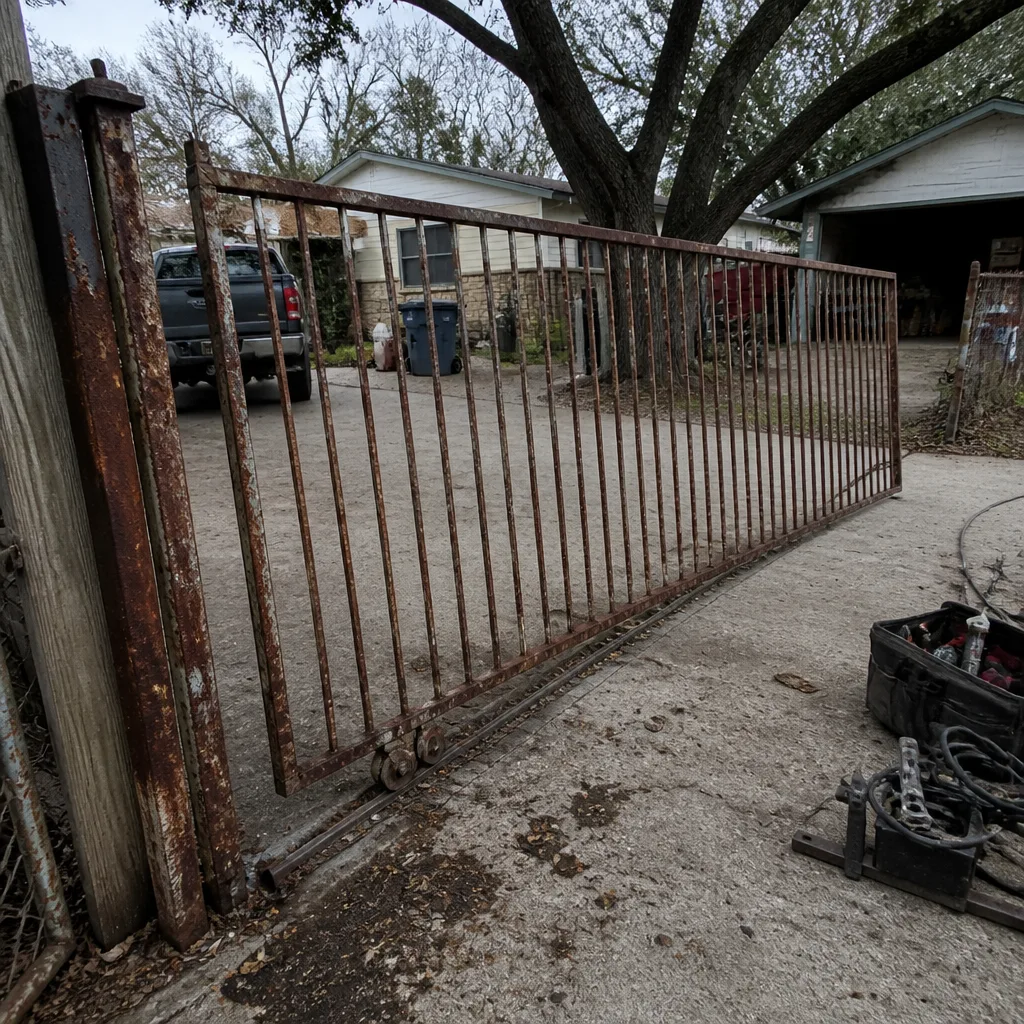 Before
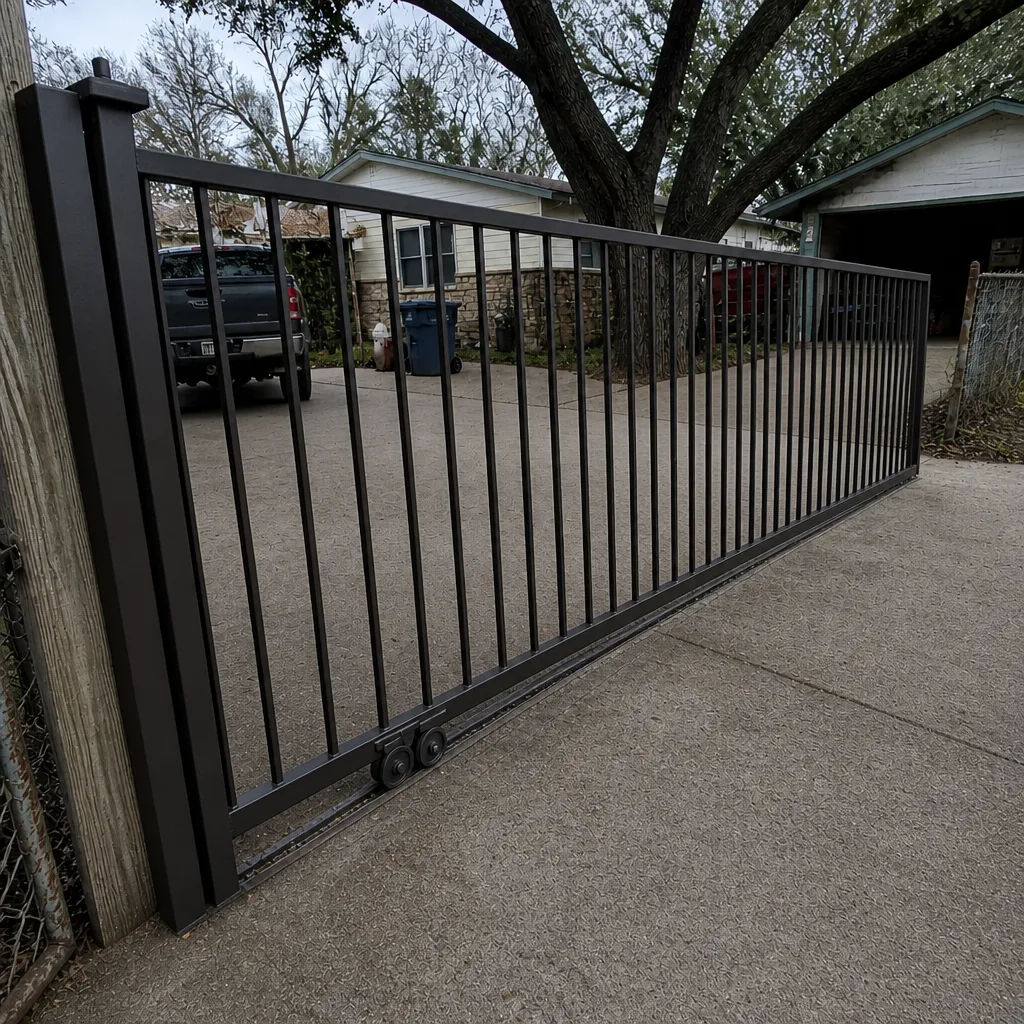 After
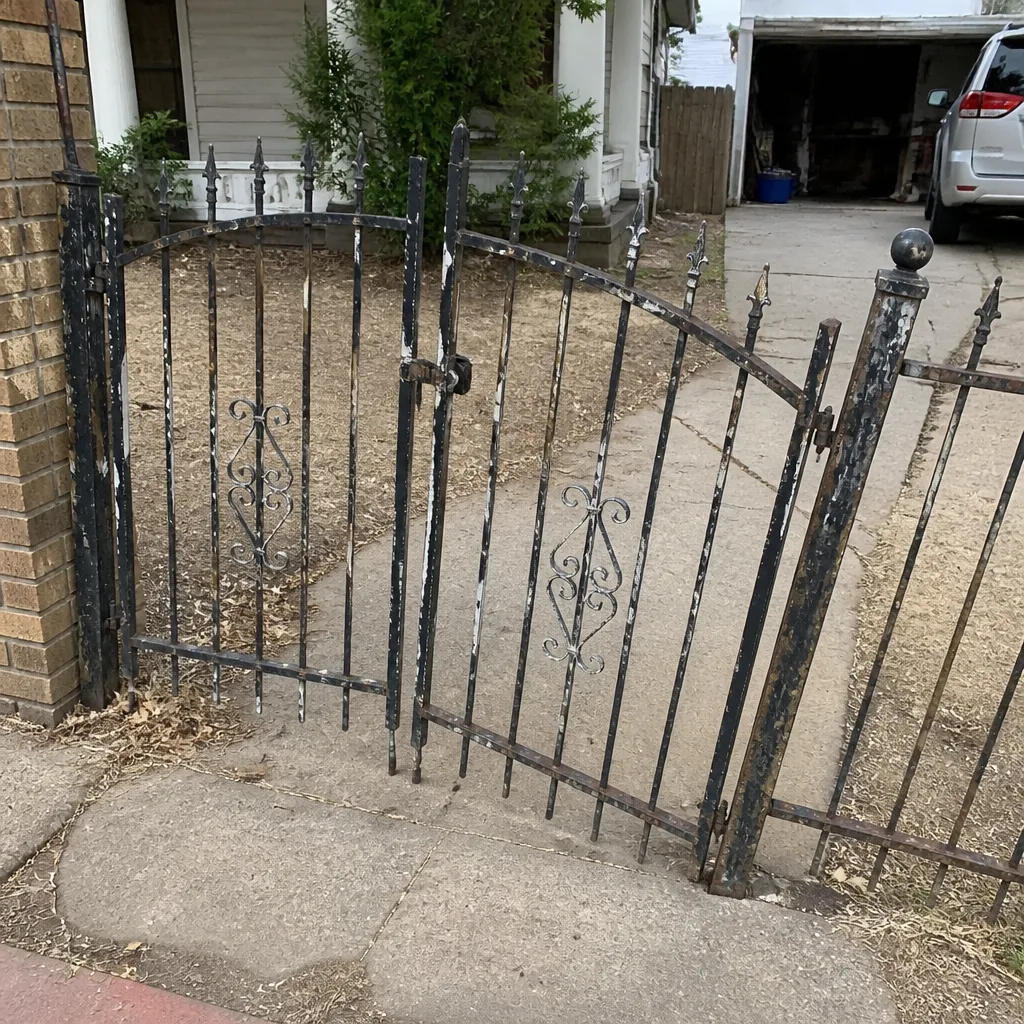 Before
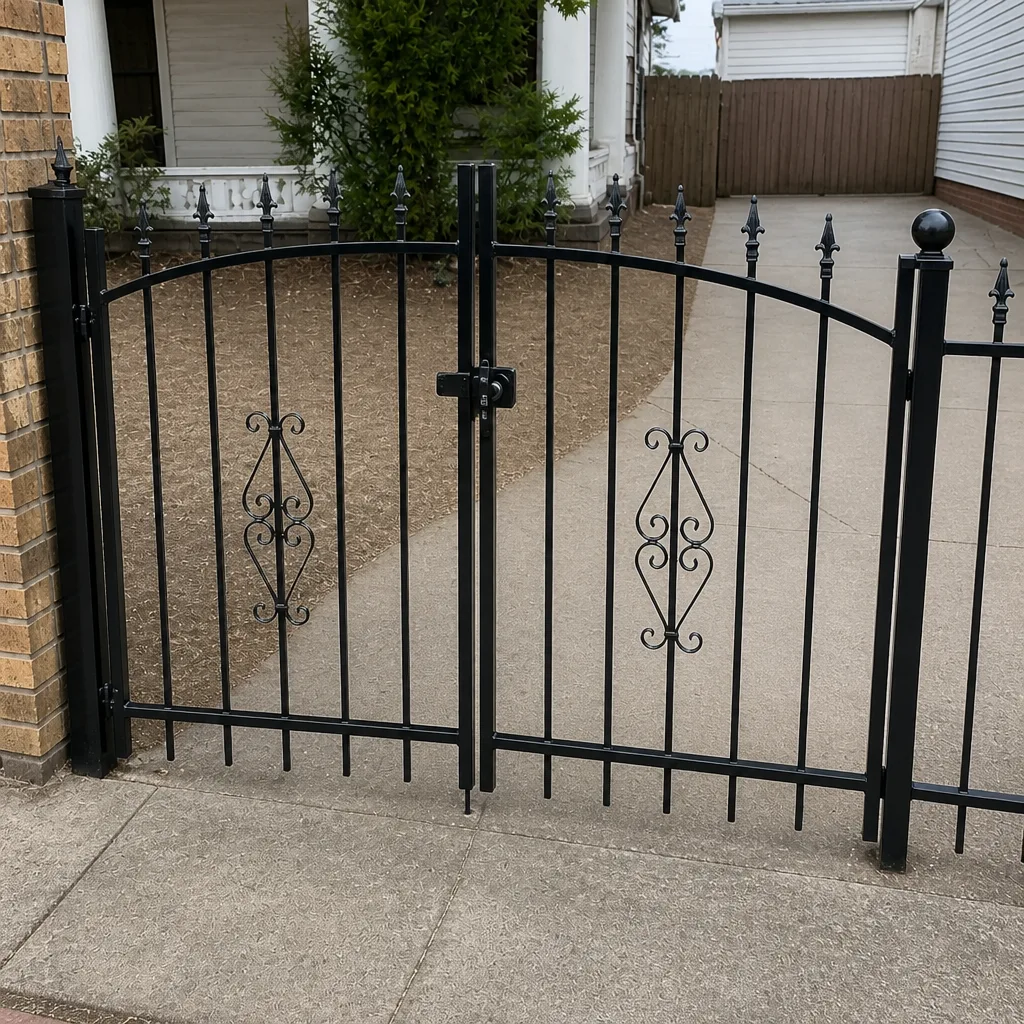 After
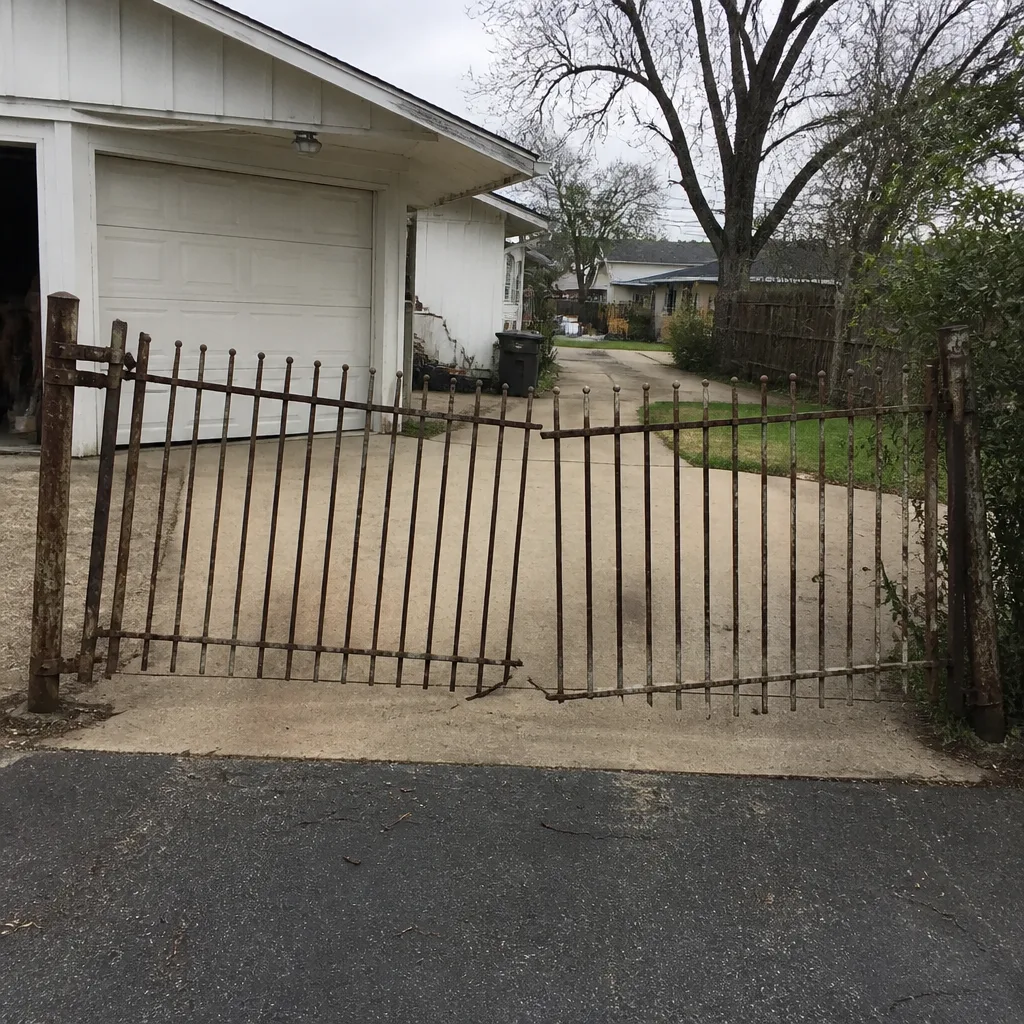 Before
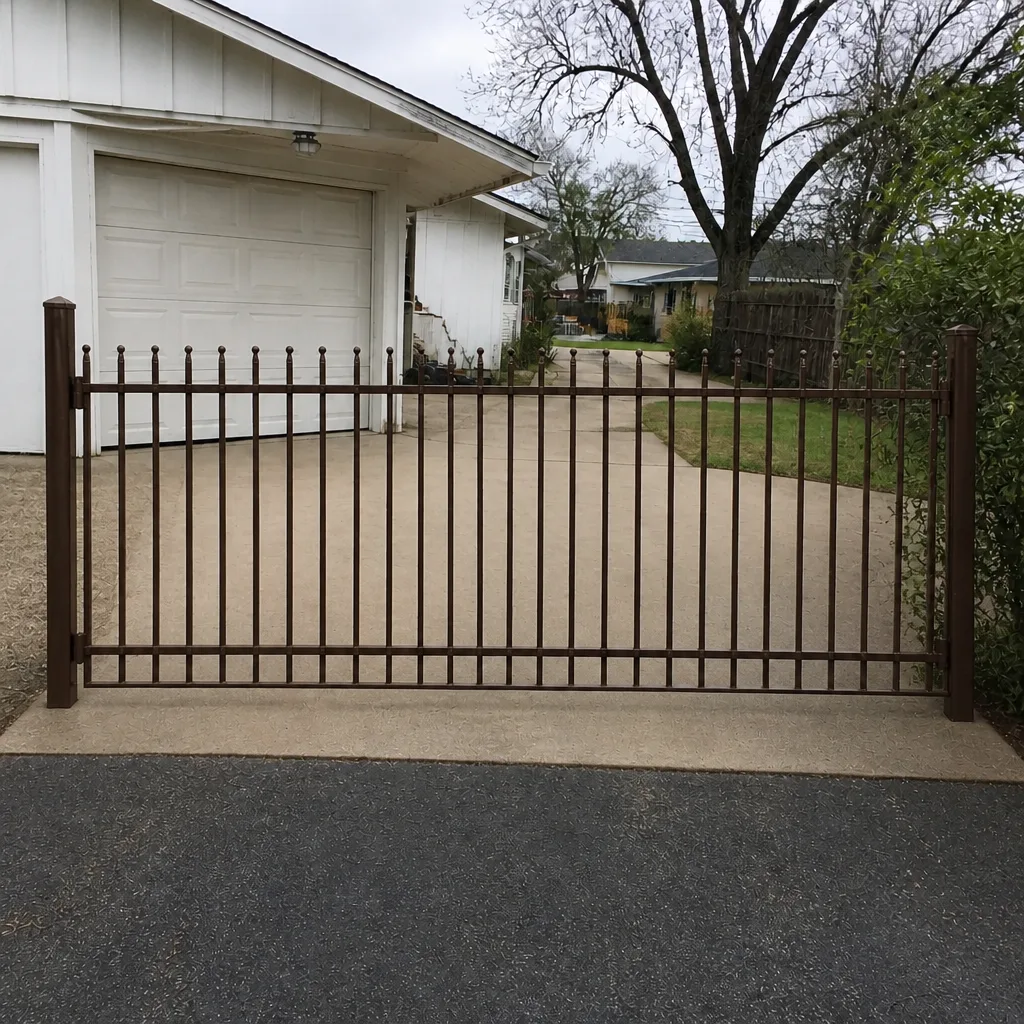 After
When to Call a Professional
Call a trained technician when the problem involves the control board, the operator’s thermal behavior, or anything electrical at the gate. These are the components that can genuinely injure someone if handled incorrectly, and a misdiagnosis is common when a generalist tries to sort it out. The operator’s power and wiring, the photo eyes, and the access hardware all sit at a voltage that deserves a trained hand.
Also call when the gate has been misaligned for more than a season, when the latch won’t engage, or when the operator has failed more than once. These are the cases where the seasonal calendar has already slipped and a repair is overdue.
Gate Repair Waco offers free estimates in Waco for repair, electric and automated repair, and installation. Call (855) 638-3208. We answer 24/7. Fast dispatch from 7am to 7pm, Sunday through Friday.
Frequently Asked Questions
The price of a seasonal inspection and any adjustments is set per job by the written estimate, and the estimate is free. Because the work depends on the gate type, the operator brand, and whether any repairs are needed, the quote is prepared after a technician looks at the gate on-site. Call (855) 638-3208 for an exact quote – estimates are free.
Most July and August failures are thermal shutdowns, not sudden mechanical failures. The operator’s control board detects the motor running too hot and shuts the gate down to protect it. If your gate is hitting thermal limits, the underlying issue is almost always the duty rating or the thermal settings. A technician can verify both before the heat arrives.
You can handle the visual checks: latch smoothness, hinge movement, debris on the track, and whether the photo eye housings are intact. But the operator settings, control board diagnostics, and any work around the gate’s power and wiring should be handled by a trained technician. Those components carry real risk, and a misdiagnosis can make the failure worse.
Check for intermittent fault codes on the control board, inconsistent gate behavior, and any access keypad or intercom that responds slowly. Also look for discoloration or burn marks around the board and terminal block. If the gate kept working after the storm, the damage may still be there and may not show up until the next heavy load.
Yes. Mild winters in Central Texas don’t freeze the gate, but they do let moisture sit on latches, hinges, and terminal connections, and that causes corrosion that builds through the season. Mild winters are also when battery backups quietly degrade. Both are easy to catch on a winter inspection and expensive to catch after they fail.
Gate Repair Waco handles gate repair, electric and automated gate repair, and new gate installation in the Waco area. We work on equipment from LiftMaster, FAAC, Mighty Mule, Elite, Linear, Viking, Ghost Controls, DoorKing, and BFT. For a free estimate on a repair or installation, call (855) 638-3208.
The Bottom Line
Waco’s gate failures follow a calendar that’s more predictable than most homeowners realize: clay heave reshapes alignment in spring, thermal limits stop operators in the first serious heat wave, storm surges damage control boards, and mild winters let corrosion and battery aging go unnoticed. Match your maintenance to that cycle and most emergencies stop happening. The specifics matter, too: verify duty ratings against actual traffic, check surge protection before storm season, and test the battery backup before you need it.
If the gate has already slipped past the schedule, a trained gate specialist is the right call – not a generalist. Call (855) 638-3208 for a free estimate on Waco gate repair, electric gate repair, or installation. We answer 24/7. Fast dispatch from 7am to 7pm, Sunday through Friday.
Written by the team at Gate Repair Waco, serving Waco since 2018.