
Last updated November 14, 2026
 Wrought iron
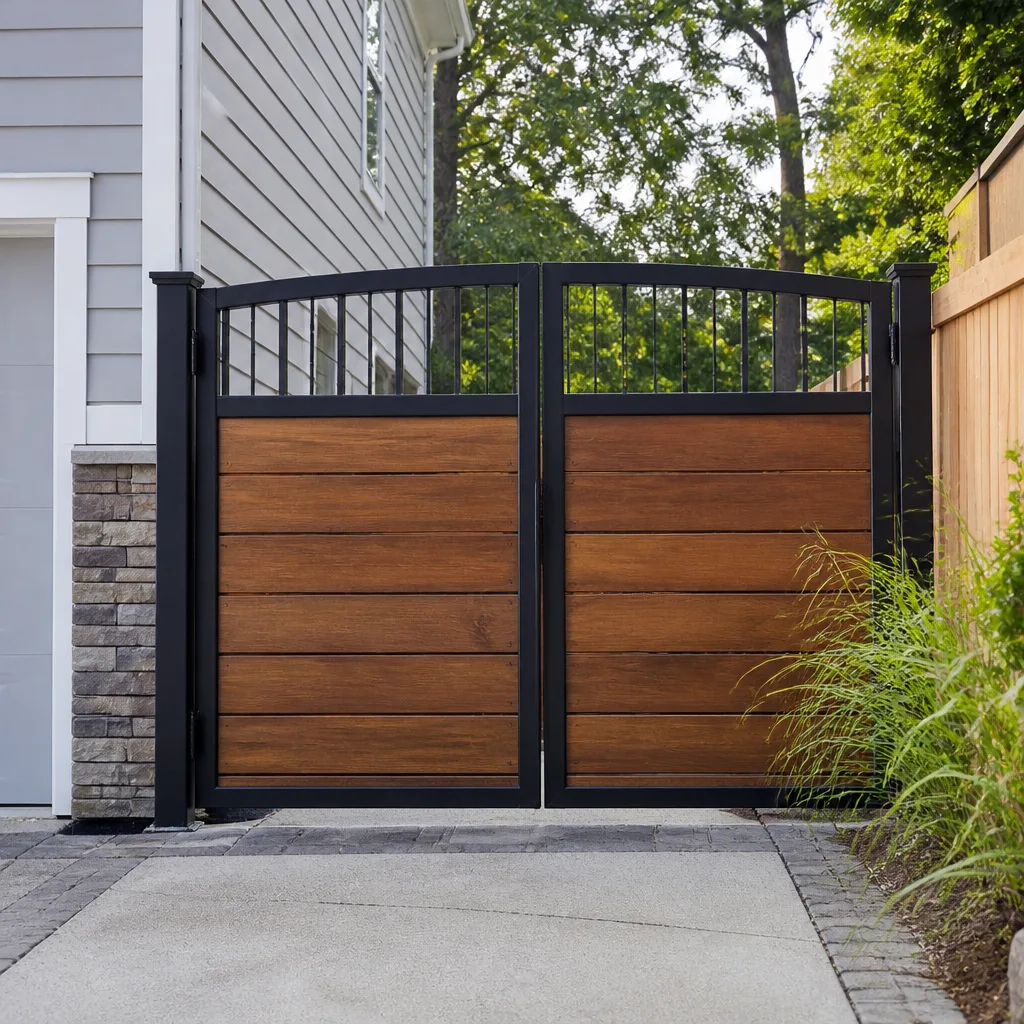 Wood & steel frame
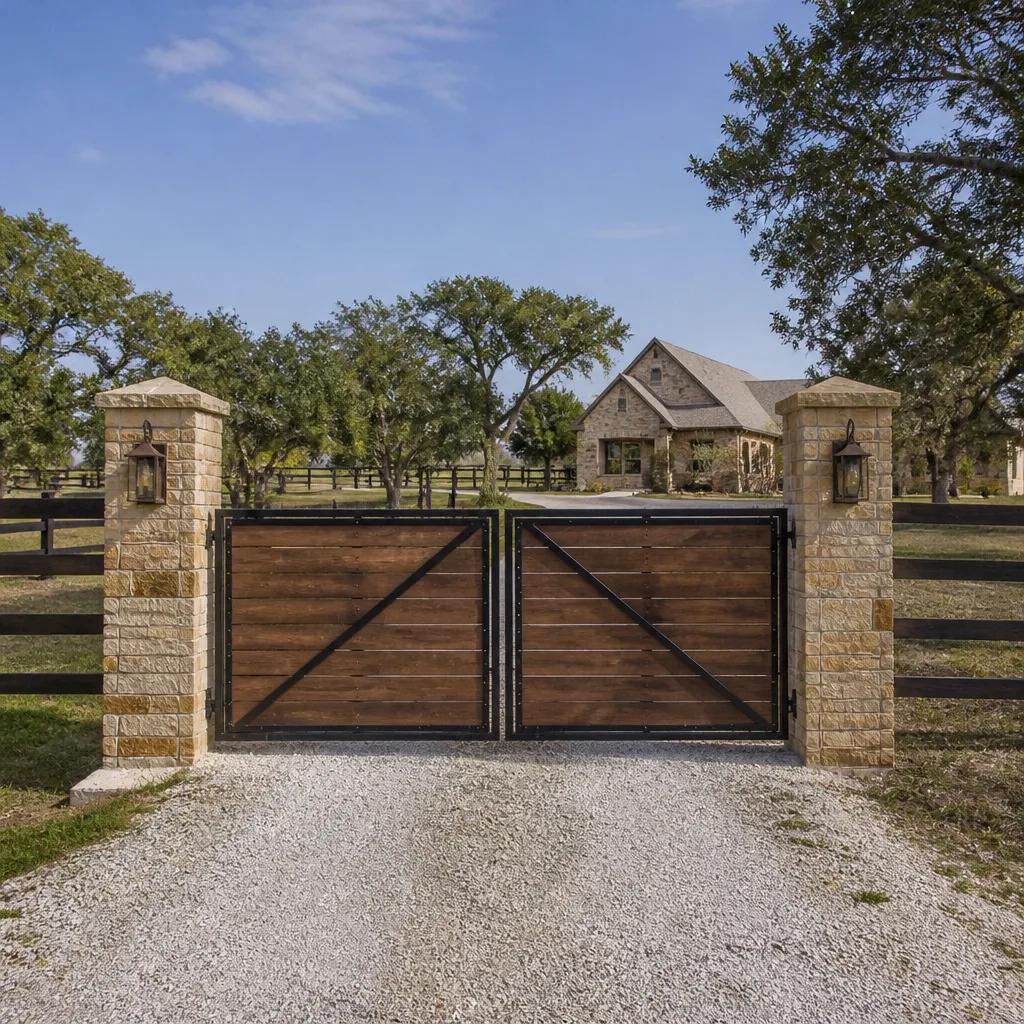 Farm & ranch
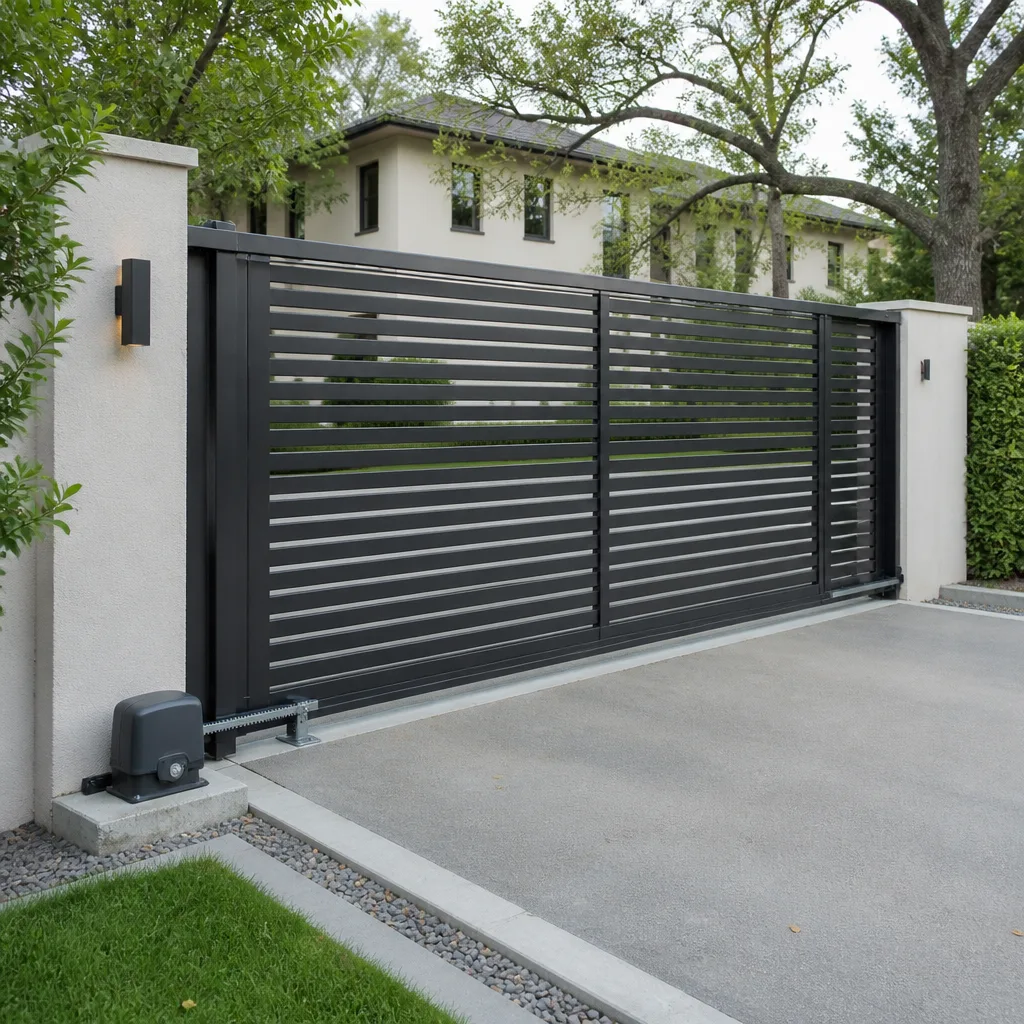 Sliding driveway gates
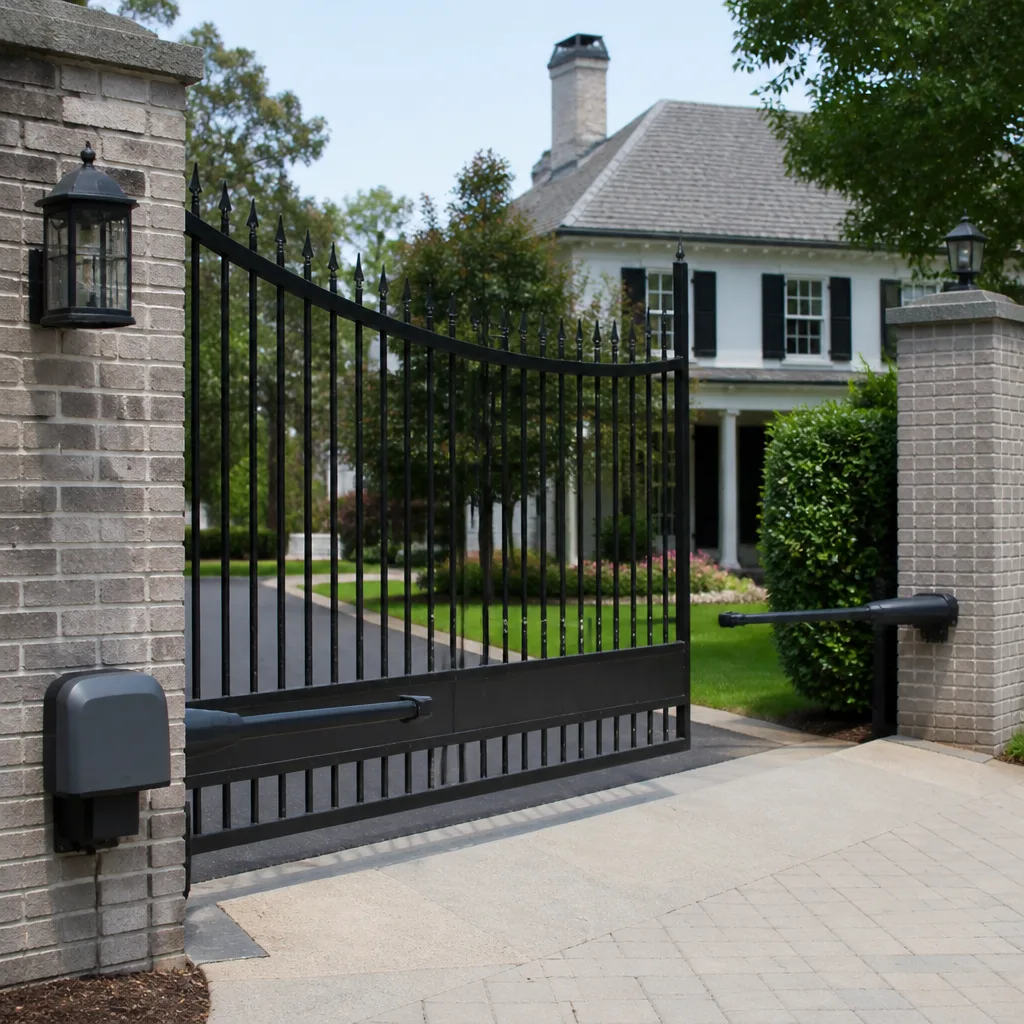 LiftMaster operators
Free on-site gate assessment - hinges, posts, and your LiftMaster or Nice gate operator checked before anything is quoted
The assessment is free and the quote is the invoice.
Get your free estimateThe Complete Guide to Gate Repair in Waco
A gate that reverses before it closes looks exactly the same from the driveway whether the cause is a misaligned safety edge, a control board that’s failing, or an obstruction sensor baking in the Texas sun. Three completely different repairs, one identical symptom. That’s the trap most Waco homeowners and property managers fall into: they describe what the gate is doing, someone replaces the part that seems most likely, and the gate works for a while before the same failure returns. This guide maps the common gate failures we see in Waco to their real underlying causes, so you can tell the difference between a repair that fixes the problem and one that just postpones it.
Quick Answer
Gate problems in Waco usually trace back to one of four root causes: mechanical wear, electrical faults, operator and logic-board failures, or structural damage to the gate itself. The category your symptom falls into determines whether you’re looking at a small part replacement or a full actuator swap. A specialist diagnoses the category first, then the part; a generalist often guesses at the part and misses the cause.
Styles & brands we work with
- Wrought iron
- Wood & steel frame
- Farm & ranch
- Sliding driveway gates
- LiftMaster operators
Table of Contents
- The Four Failure Categories Behind Almost Every Gate Problem
- How Central Texas Heat and Clay Soil Change the Failure Pattern
- What a Specialist Diagnosis Looks At (And What a Generalist Misses)
- True Fix vs. Temporary Workaround: How to Tell the Difference
- Cost and Timeline Benchmarks by Repair Category
- Why Brand Knowledge Matters for Automated Gate Repair
- A Step-by-Step Diagnostic Walkthrough
- Common Mistakes to Avoid
The Four Failure Categories Behind Almost Every Gate Problem
Every gate failure we diagnose in Waco lands in one of four buckets. Knowing which bucket your problem sits in is the first and most useful thing you can do before you call anyone.
1. Mechanical Failure
This is wear and physical breakdown: hinges that have sagged, rollers that have flattened, chains that have stretched, latches that no longer catch. Mechanical failures are usually gradual. The gate starts to drag, then sticks, then stops halfway. They’re the most straightforward category to repair, and often the least expensive.
2. Electrical Failure
Power delivery problems: a transformer that’s failed, a wiring connection that’s corroded or loose, a keypad or access device that’s stopped communicating. Electrical faults often look intermittent. The gate works in the morning and not in the afternoon, or works from the remote but not the keypad. Intermittent behavior almost always points here.
3. Operator and Logic Failure
The motor and control board layer. This is where automated gates get genuinely technical. A logic board that’s misreading a sensor signal, a motor drawing too much current, a limit switch that’s drifted out of position. These failures require brand-specific knowledge of how the operator thinks, not just a multimeter.
4. Structural Failure
The gate itself, or its mounting. Posts that have shifted, frames that have warped, panels that have come out of square. Structural problems are the ones most often missed, because the operator gets blamed for a gate that’s simply no longer aligned with it. Replace the operator and the gate still drags, because the operator was never the problem.
How Central Texas Heat and Clay Soil Change the Failure Pattern
The manufacturer troubleshooting docs for most gate operators are written for a neutral climate. Central Texas isn’t neutral. Two local conditions shape the failures we see in Waco more than anything else.
Heat and the Control Enclosure
Gate operator enclosures sit in full sun for most of the year here. The electronics inside a control box run hotter than the manufacturer’s spec assumes, and heat accelerates the failure of capacitors, relays, and logic boards. A board that would last a decade in a cooler climate can fail much sooner in a Waco summer. That’s one reason automated gate problems here so often turn out to be logic-level rather than mechanical. When a gate behaves erratically in July and August, the control enclosure is one of the first things a specialist checks.
Clay Soil and Post Movement
The expansive clay soil across much of the Waco area swells when it’s wet and shrinks when it dries. That movement is hard on gate posts and hinges. A post that shifts even slightly throws the gate out of alignment with the operator, and suddenly the operator is straining against a gate it was never set up to push. Homeowners often call about a “failing motor” when the real issue is a post that’s moved a fraction of an inch. That’s a structural problem, not an operator problem, and it changes the repair entirely.
We’ve seen both of these patterns repeatedly, and they’re the reason a diagnosis built for a national average misses what’s actually happening on a Waco property.
What a Specialist Diagnosis Looks At (And What a Generalist Misses)
A generalist contractor arrives with a bag of general tools and a general theory. A gate specialist arrives knowing the specific failure patterns of the systems on your property. The difference shows up in the first fifteen minutes.
Here’s what a real diagnosis covers, layer by layer:
- Observe the full cycle. Watch the gate open and close completely. Note where it hesitates, reverses, or stalls. The location in the cycle is a strong clue to the category.
- Test the mechanical layer. Check hinge play, roller condition, chain tension, and whether the gate swings freely by hand with the operator disengaged. If it doesn’t move freely, the operator isn’t the problem.
- Check structural alignment. Look at post plumb, frame square, and whether the gate is dragging on the ground or a stop. Clay soil movement makes this a common find in Waco.
- Test the electrical layer. Verify power at the operator, check transformer output, inspect wiring connections and access devices for corrosion or looseness.
- Read the operator’s logic. Check limit switch positions, sensor signals, and any fault indicators the control board provides. This is where brand familiarity pays off.
- Confirm the diagnosis before quoting. State the cause, the fix, and whether it’s a true repair or a workaround, before any work begins.
A generalist tends to jump from step one to a part swap. A specialist works the layers in order, because the symptom on the surface rarely points directly at the cause underneath.
True Fix vs. Temporary Workaround: How to Tell the Difference
Some repairs last. Others buy you about ninety days before the same call comes back. The difference is almost always whether the repair addressed the cause or just the symptom.
Signs of a True Fix
- The diagnosis named a specific cause, not just a part.
- The repair addressed the alignment or condition that caused the failure, not only the failed component.
- You were told why the part failed, not just that it did.
- The technician tested the full open-close cycle after the repair.
Signs of a Workaround
- A component was replaced without checking whether the gate moves freely by hand.
- The safety sensors or limit switches were bypassed or “adjusted” rather than properly set.
- The gate was made to work today without addressing the post or hinge that caused the strain.
- You weren’t told what to watch for if the underlying issue returns.
In our experience, the most common workaround in Waco is replacing an operator on a gate with a shifted post or a sagging hinge. The new operator works for a few months, then starts straining against the same misaligned gate and fails early. The fix was never at the operator level. Repair or replace, we’ll tell you which one makes sense, and that means telling you when the operator isn’t the issue.
Cost and Timeline Benchmarks by Repair Category
Pricing on gate work is set per job after we look at the gate, and the written estimate sets the final price. What we can do is give you a sense of how the categories compare in scope and time, so you can vet quotes intelligently.
- Mechanical repair (hinges, rollers, latches, chain): usually the shortest job and the least involved. Often completed in a single visit once the right parts are on hand.
- Electrical fault (wiring, transformer, access device): diagnosis takes longer than the repair in many cases. Timeline depends on what’s found and whether parts are in stock.
- Operator and logic repair (motor, control board, limit switches, sensors): the most variable category. Board-level work depends on the brand and the specific unit. Some parts are quick to source; others take longer.
- Structural repair (posts, frame, alignment): scope depends on how far the movement has gone. A realignment is different from resetting a post.
The honest answer on cost is that it depends on the category and the diagnosis, which is exactly why we quote in writing before any work starts. You’ll know the number before we pick up a tool, so there are no surprises on the invoice. If a quote you’ve received doesn’t break out the diagnosis or the cause, that’s a reason to ask questions before you approve it.
Why Brand Knowledge Matters for Automated Gate Repair
An automated gate isn’t a generic machine. Every operator has its own logic, its own limit switch setup, its own way of reporting a fault. A technician who works on your brand regularly reads the symptoms faster and diagnoses to the actual component instead of the likely one.
We work across nine gate brands, from consumer-grade Mighty Mule and Ghost Controls systems to commercial-grade operators like DoorKing, FAAC, and BFT, plus LiftMaster, Linear, Viking, and Elite. That range matters because the same symptom means different things depending on the unit. A gate that reverses can be a sensor on one brand and a limit switch on another. Knowing the difference is the whole job.
There’s a larger point here about specialization. A gate specialist spends all field time on gates, so the diagnostic pattern recognition builds up in a way it can’t for a company splitting attention across other trades. That’s what we mean when we say electric gate diagnosis, not guesswork. It’s the difference between reading the operator’s behavior and swapping parts until something works.
A Step-by-Step Diagnostic Walkthrough
Here’s how a full diagnosis runs in practice, in order:
- Watch the gate complete a full cycle, then a second one. Note where it hesitates, reverses, or stops.
- Disengage the operator and move the gate by hand. It should swing or slide freely. If it binds, the problem is mechanical or structural, not the operator.
- Inspect hinges, rollers, and chain tension. Look for play, flattening, or slack.
- Check post plumb and frame square. Clay soil movement makes this a common find in Waco; a shifted post throws the gate out of alignment with the operator.
- Verify power at the operator and test the transformer. Check wiring and access devices for corrosion or looseness.
- Check limit switches, sensors, and any fault indicators on the control board. Confirm signals are being read correctly.
- Confirm the diagnosis and quote in writing before any work. State the cause, the fix, and whether it’s a true repair or a workaround.
This is the sequence that keeps a repair from becoming a repeat call. Each step rules a category in or out, so by the time we reach the part, the cause is already known.
Common Mistakes to Avoid
- Bypassing safety sensors to get the gate working. Disabling a sensor makes the gate move, but it removes a safety device and is never a real fix. If a sensor is the problem, it needs proper repair or replacement.
- Replacing the operator before checking alignment. In Waco, a shifted post or sagging hinge is a frequent cause of “operator failure.” Replace the operator first and you’ll be back where you started.
- Ignoring intermittent behavior. A gate that fails in the afternoon and works in the morning usually has an electrical or heat-related cause. Writing it off as random means it never gets fixed.
- Hiring a general contractor for a logic-level problem. Control board and limit switch work requires brand-specific knowledge. A generalist may not have it, and guessing at a logic board is expensive.
- Approving a quote that names a part but not a cause. If a repair quote doesn’t say why the part failed, ask. The cause is what stops the failure from recurring.
- Working on a heavy gate or live operator wiring yourself. Heavy panels can crush, slide gates can come off the track, and operator wiring carries real power. Those parts belong with a trained technician.
See the difference
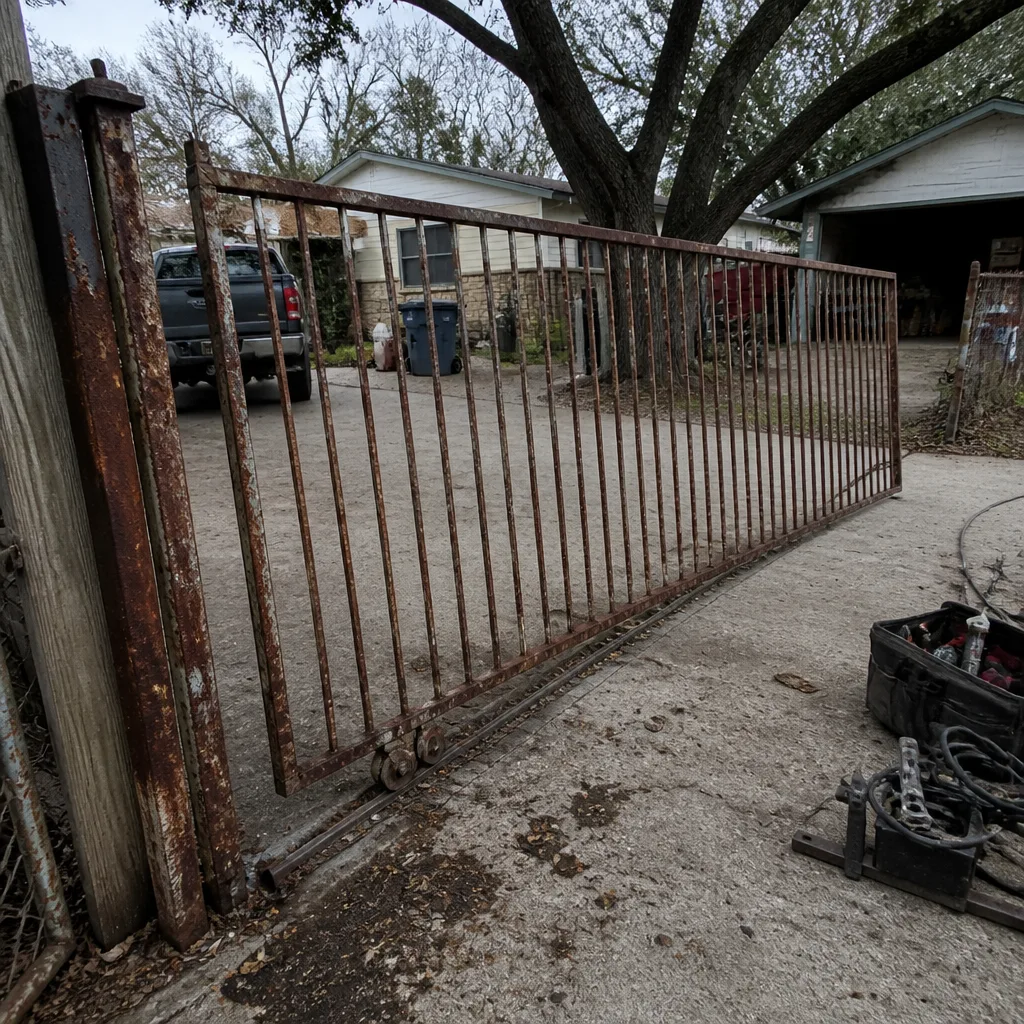 Before
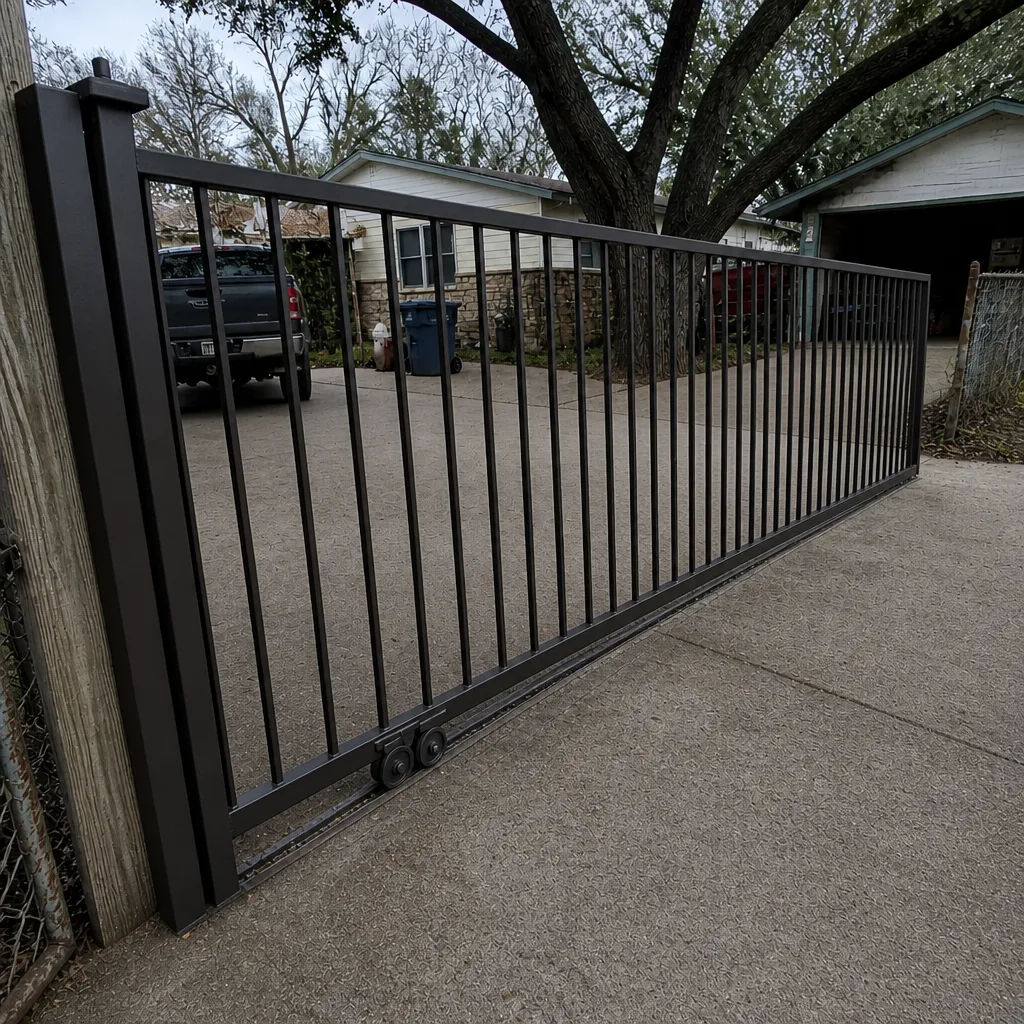 After
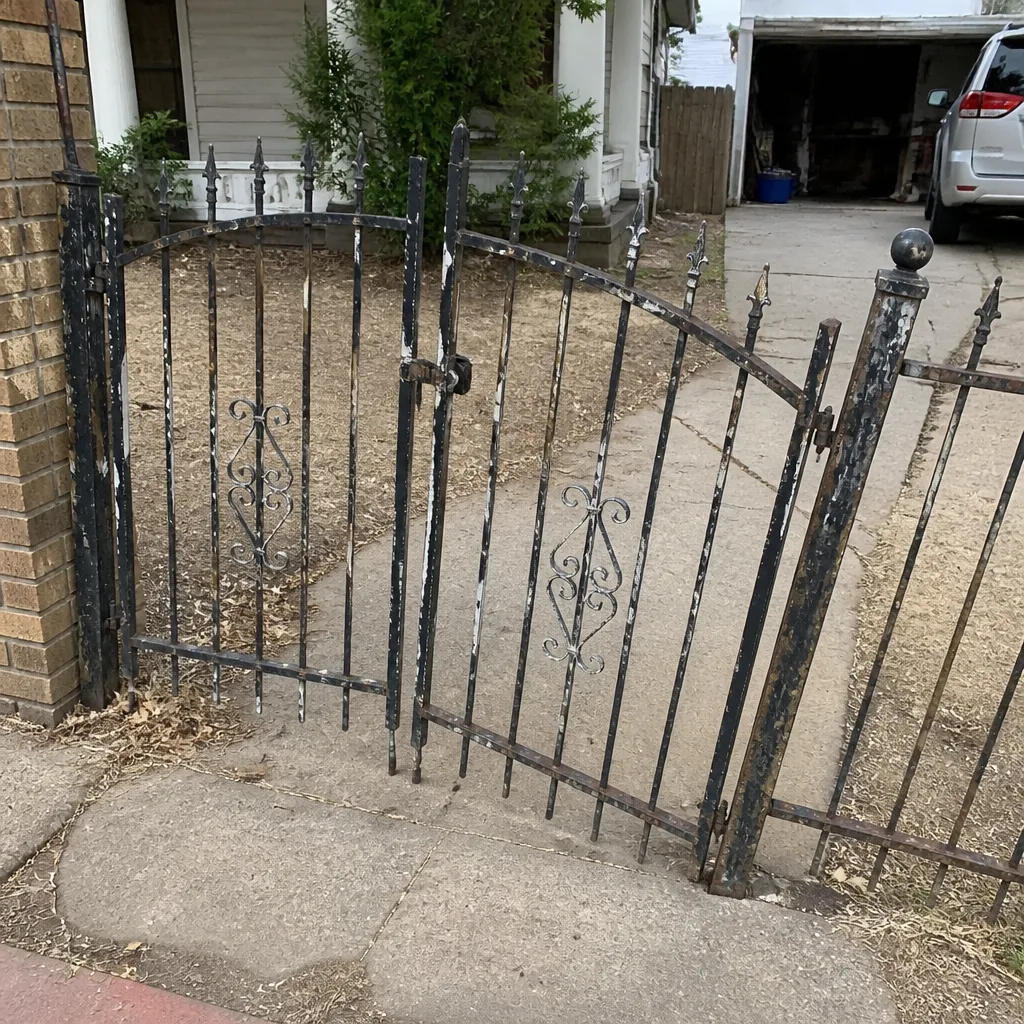 Before
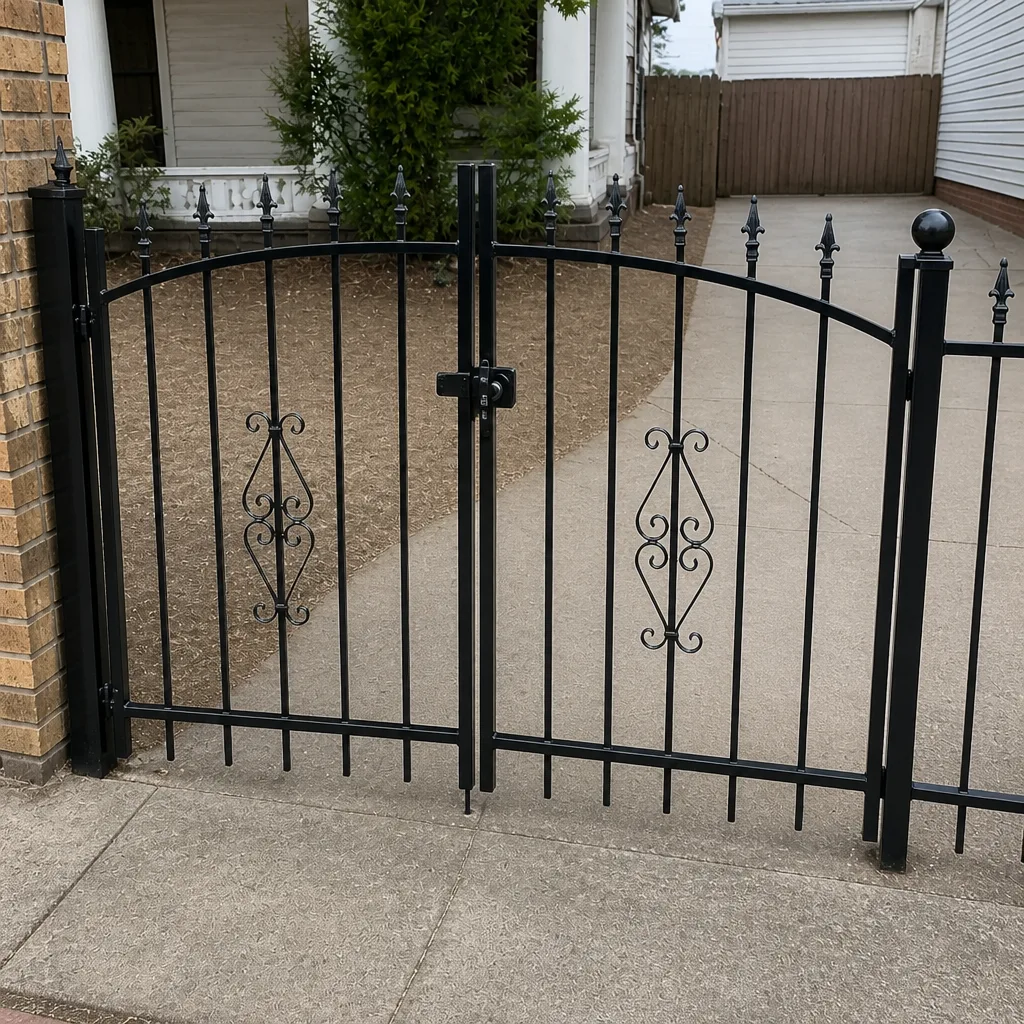 After
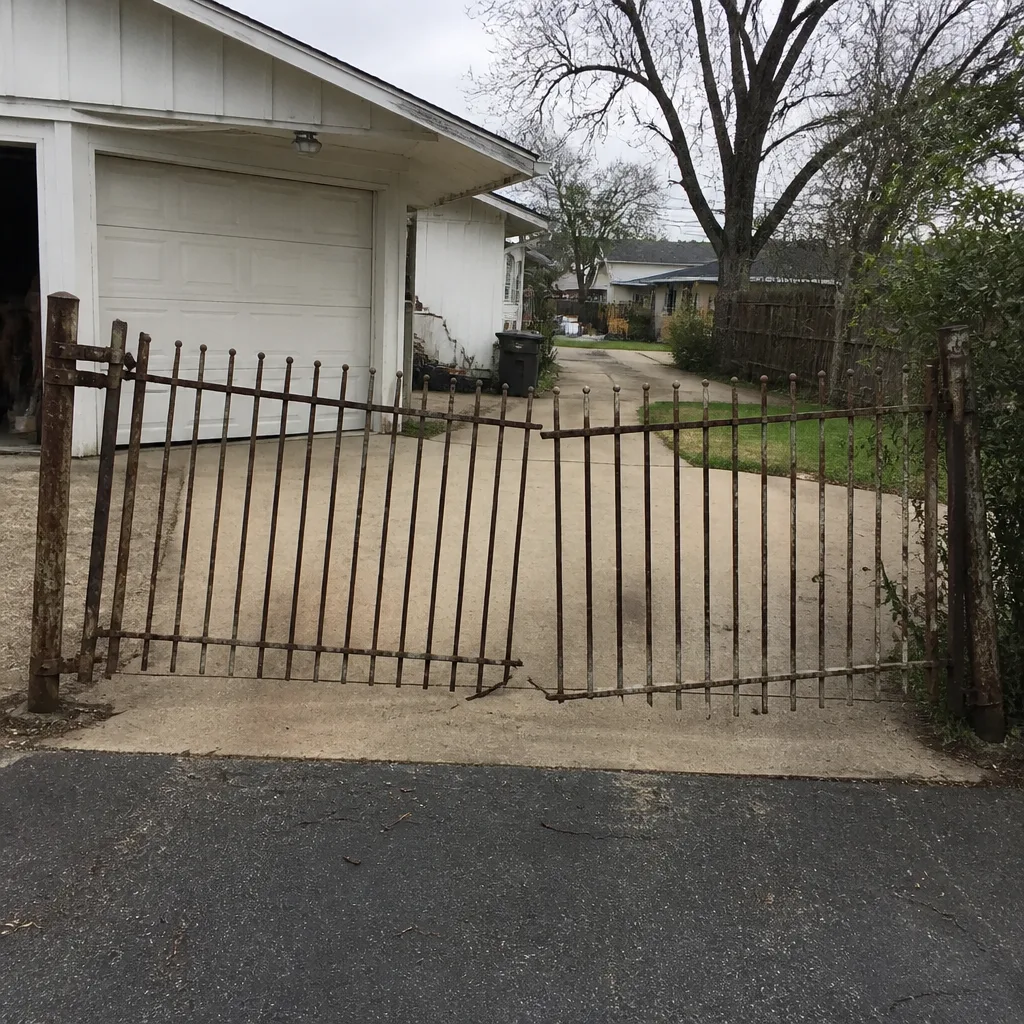 Before
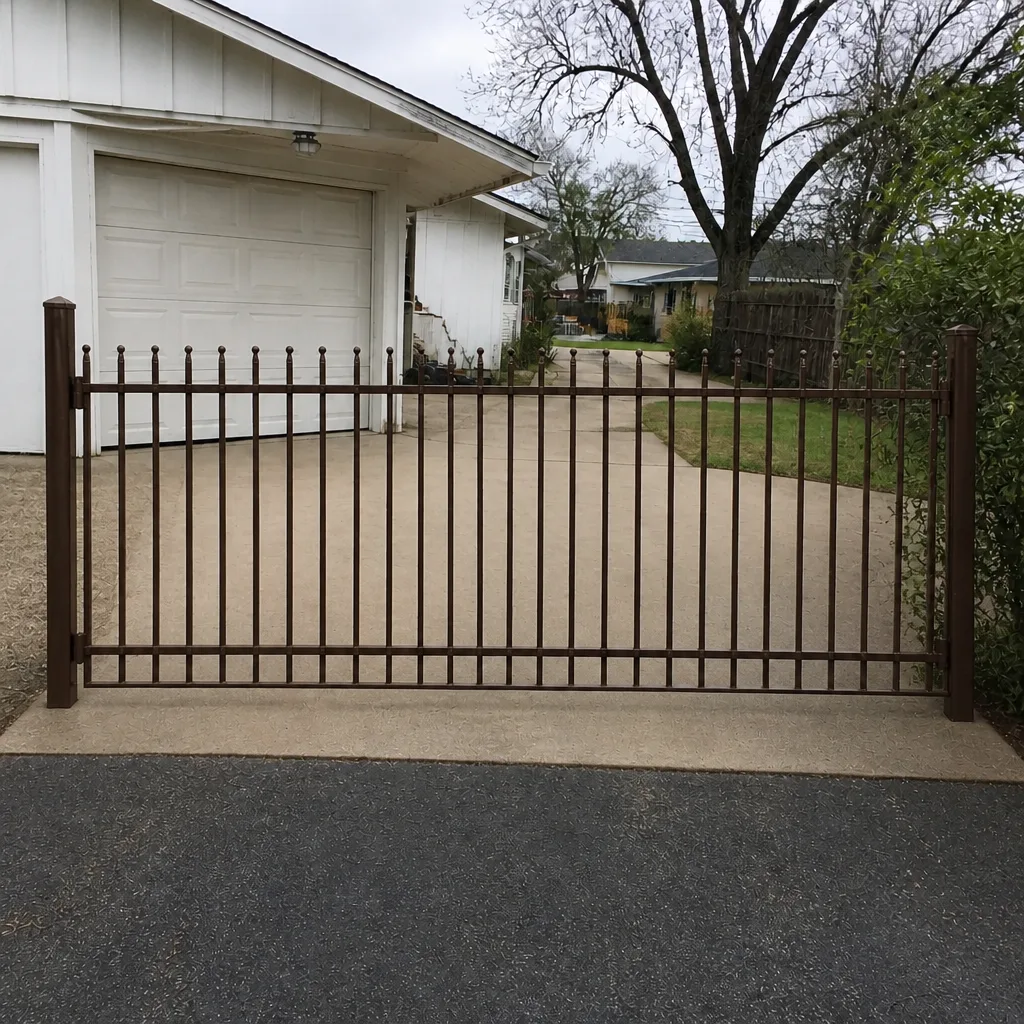 After
When to Call a Professional
Call for a professional diagnosis when the gate reverses, hesitates, or stops mid-cycle, when it works intermittently, when the operator runs but the gate doesn’t move, or when a heavy gate or slide gate has come out of alignment or off its track. Those are the situations where a guess is expensive and dangerous. Heavy panels can crush and operator wiring carries real power, so those parts belong with a trained technician.
For lighter problems, a quick look at whether the gate moves freely by hand will tell you a lot before anyone arrives. If it binds, the issue is mechanical or structural. If it moves freely but the operator won’t run, the issue is electrical or logic. That one test narrows the category.
Gate Repair Waco offers free estimates in Waco. Call (855) 638-3208. We answer 24/7. Fast dispatch from 7am to 7pm, Sunday through Friday.
Frequently Asked Questions
It’s almost always a safety sensor or a limit switch signaling the operator that something is wrong. The cause could be a misaligned safety edge, a failing control board, or an obstruction sensor affected by heat. A specialist confirms which before replacing anything.
Yes. Intermittent failures usually point to an electrical fault, a connection, or heat affecting the control enclosure. A diagnosis covers the power layer and the logic layer, not just the mechanical parts, so the intermittent cause gets found rather than guessed at.
Yes. We service consumer-grade systems such as Mighty Mule and Ghost Controls and commercial-grade operators such as DoorKing and FAAC. A single-family driveway gate and a multi-unit community entrance both fall within our scope.
We work across nine gate brands, including LiftMaster, FAAC, BFT, Linear, Viking, Ghost Controls, DoorKing, Elite, and Mighty Mule. That range covers most residential and commercial systems you’ll encounter.
It depends on the diagnosis. Some operator problems are a single component, and repair makes sense. Others mean the operator is at the end of its life, and replacement is the honest answer. We tell you which after we look at the gate.
Keep people and vehicles clear of the gate’s path, and don’t put your hands near hinges, the operator arm, or the track on a heavy or slide gate. If the gate is stuck open, leave it and wait for the technician rather than forcing it.
Call (855) 638-3208 for an exact quote. Estimates are free.
The Bottom Line
Most gate failures in Waco fall into one of four categories: mechanical, electrical, operator and logic, or structural. The category your symptom belongs to determines whether you’re looking at a small part or a major component, and getting that category right is the difference between a repair that holds and one that buys you ninety days. Heat and clay soil make local failures behave differently than the manufacturer docs suggest, which is why brand-specific, gate-only diagnosis matters. Check whether the gate moves freely by hand, note when the failure happens, and ask any contractor to name the cause before you approve the work. That’s how you vet a quote and avoid the repeat call.
Call (855) 638-3208 for a free estimate. We answer 24/7. Fast dispatch from 7am to 7pm, Sunday through Friday.
Written by the team at Gate Repair Waco, serving Waco since 2018.