
Last updated November 14, 2026
 Wrought iron
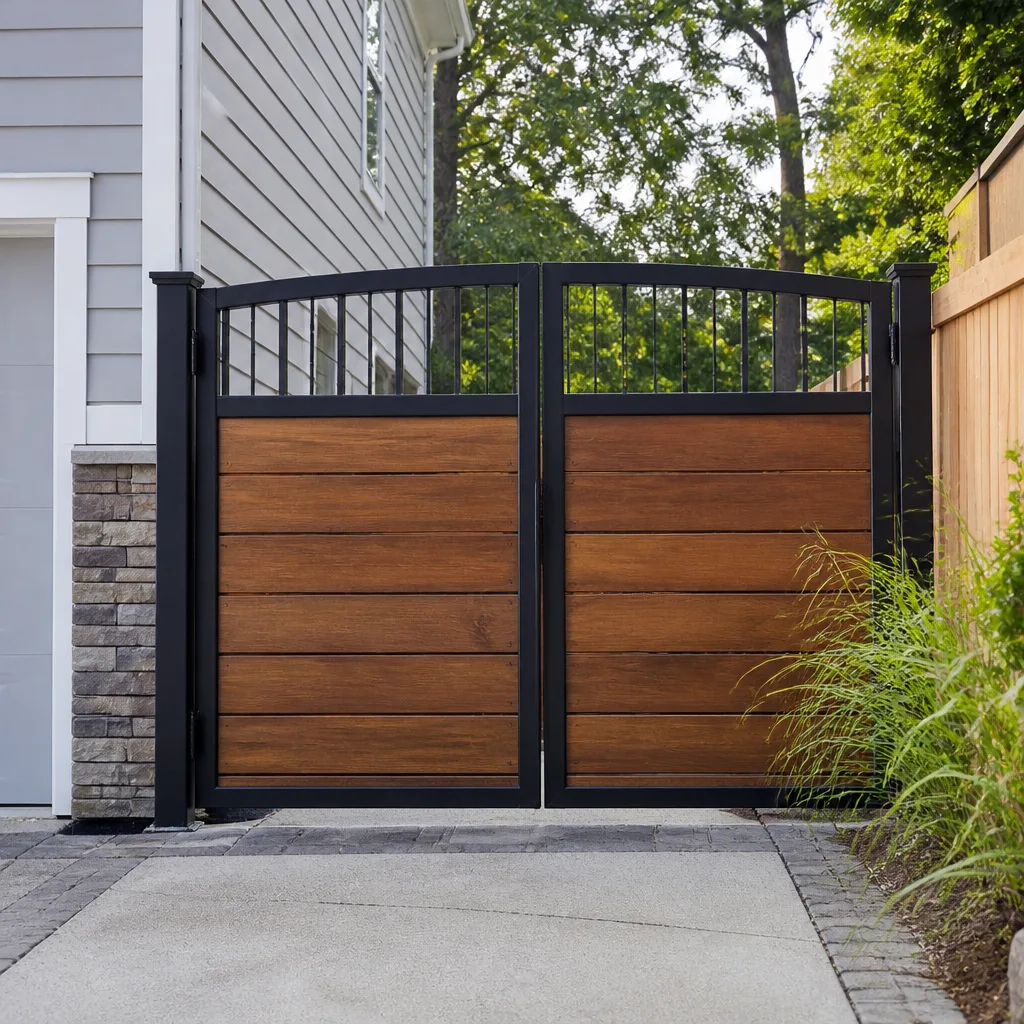 Wood & steel frame
 Farm & ranch
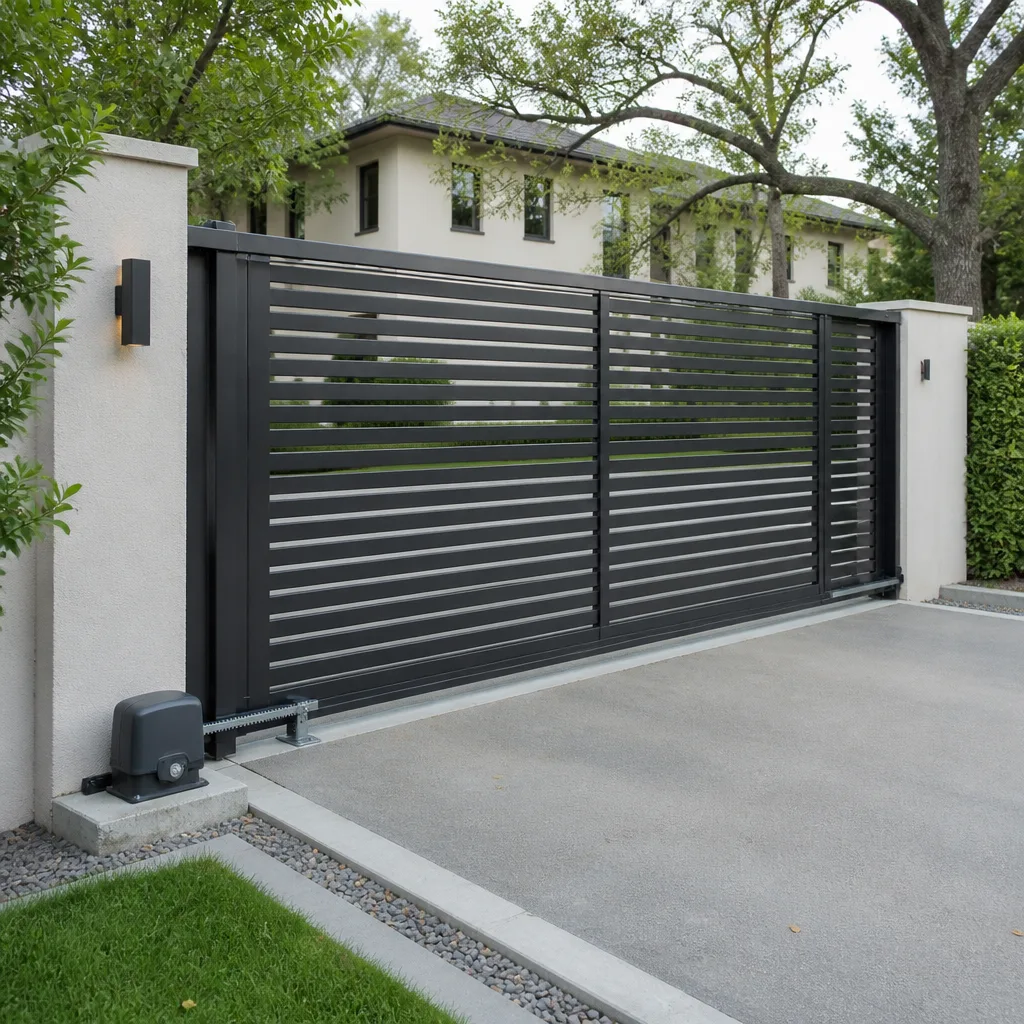 Sliding driveway gates
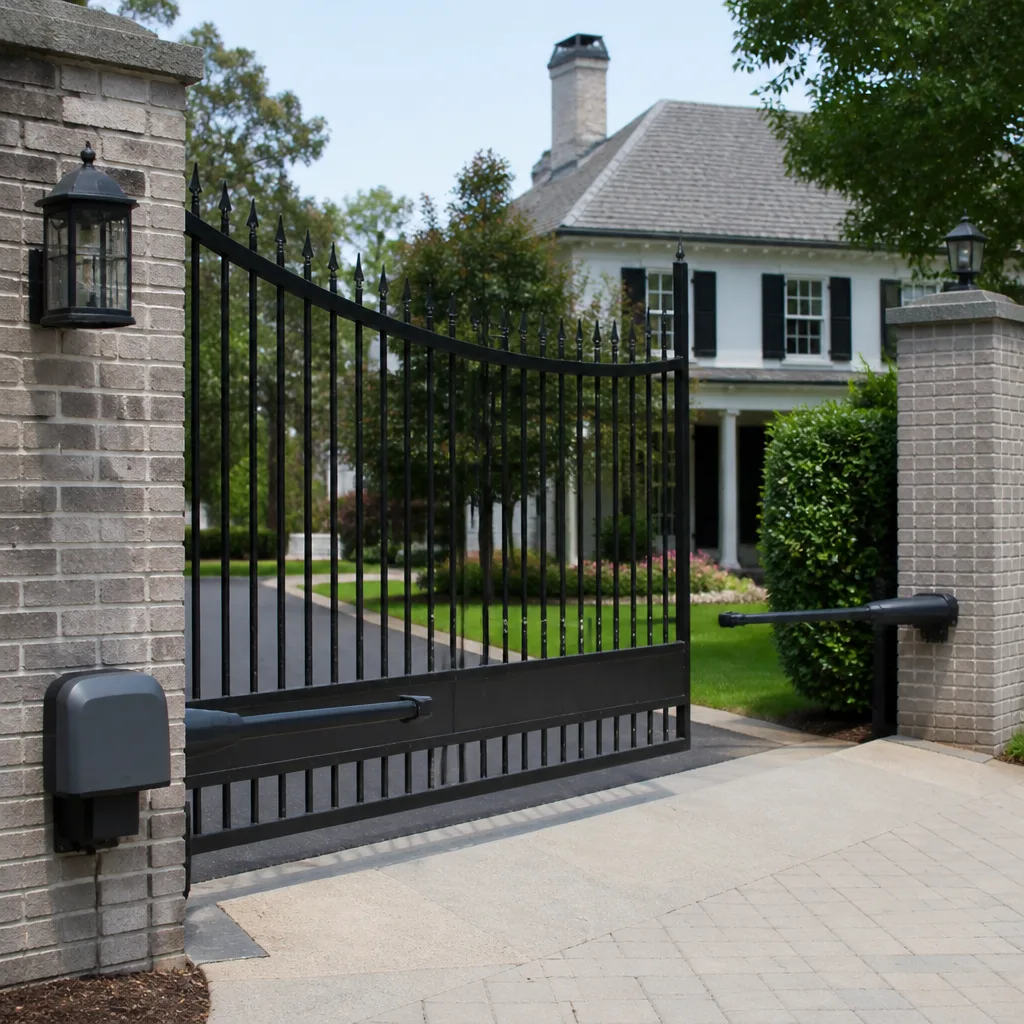 LiftMaster operators
Free on-site gate assessment - hinges, posts, and your LiftMaster or Nice gate operator checked before anything is quoted
The assessment is free and the quote is the invoice.
Get your free estimateGate Repair Emergency Preparedness Guide for Waco Homes
Most people think a stuck gate is an annoyance that resolves itself with a second press of the remote. It isn’t. When an automated gate fails in the closed position, it blocks the one path a fire crew, an EMT, or an ambulance needs to reach your house or your community’s front doors. Here’s the part that surprises homeowners: emergency responders in Waco are not required to wait for your gate to cooperate. They will breach it if a life is on the line, and the bill for a bent panel, a sheared hinge, or a torn operator arm lands on the property owner. Repairing that damage is always more expensive than learning the manual release in advance.
What follows is a full preparedness guide for Waco homes with automatic driveway gates and for property managers overseeing commercial entrances. You’ll learn how the manual release differs across operator types, how to test battery backup before you need it, what to have ready when you call for emergency gate help, how to keep the property secure while the gate sits in manual, and the post-storm checks that prevent a second failure. This is the guide we wish every caller had read before the emergency, not after.
Quick Answer
A stuck automatic gate during an emergency is a safety hazard, not a minor inconvenience. The homeowners and property managers who handle it in under three minutes are the ones who learned the manual release procedure and backup access protocol before the gate failed. If you’re calling in a gate emergency in Waco right now, have your gate brand, operator model, and a description of what the gate is doing (or not doing) ready before you dial. Call (855) 638-3208. We answer 24/7.
Styles & brands we work with
- Wrought iron
- Wood & steel frame
- Farm & ranch
- Sliding driveway gates
- LiftMaster operators
Table of Contents
- Why an Emergency Gate Failure Is a Safety Issue, Not an Inconvenience
- Manual Release by Operator Type: LiftMaster, FAAC, Viking, and Apollo
- Setting Up and Testing Battery Backup Before the Power Goes Out
- What Information to Have Ready When You Call a Gate Technician
- Temporary Security When the Gate Has to Stay in Manual
- Post-Storm Diagnostic Steps Before Switching Back to Auto
- Pre-Season Preparedness Checklist for Waco Properties
Why an Emergency Gate Failure Is a Safety Issue, Not an Inconvenience
A gate that won’t open when an ambulance needs through is a barrier between a person in crisis and the care they need. That’s the fact that reframes how you think about gate maintenance. For a homeowner with a private driveway gate, a stuck gate delays fire, EMS, and police access to the people inside the property. For a facility or property manager running a multi-access commercial entrance, a stuck gate delays access to every unit or building behind it, and pushes first responders into a breach decision they won’t make lightly.
The legal reality matters here. When emergency services arrive and cannot get through an automatic gate, they don’t stand around waiting for your gate technician to roll up. Their priority is access to the emergency. They will force the gate open, and the structural damage from a forced entry is the property owner’s cost to repair. That’s true whether the gate is a residential driveway gate or a commercial sliding gate at a community entrance. We’ve seen what a forced entry does to a gate arm, a panel, and the operator itself, and it’s never a cheap fix.
The better path is preparation. A homeowner who knows exactly how to release the gate manually – and where the release key or handle is – can have the gate open in under a minute when it matters. A property manager who has walked through the release procedure with key staff, and who has a backup access plan in writing, can clear the entrance without waiting for the gate operator to come back online. That preparation is the difference between a fifteen-second inconvenience and a full replacement quote.
Manual Release by Operator Type: LiftMaster, FAAC, Viking, and Apollo
The manual release on an automatic gate lets you disengage the operator from the gate so you can move the gate by hand. It’s not universal. Each operator has its own release mechanism, and the wrong technique on the wrong operator can damage the actuator. This is the single most important preparedness step, and it’s the one most Waco homeowners skip. The release is not a single universal key or lever; it’s specific to the brand and model of the operator on your gate.
Here’s the general picture across operator families we work on regularly:
- LiftMaster swing and slide operators: Many LiftMaster operators use a release key, a manual release lever, or a pull handle concealed under the operator housing or behind an access panel. On some models, the release disengages the gearbox, which frees the gate arm to move by hand. A swing arm and a slide operator do not release the same way, so match the procedure to your actual unit.
- FAAC hydraulic and electromechanical operators: FAAC units often release through a manual override on the operator body or an external release key. Hydraulic arms release differently from electromechanical arms, and forcing a hydraulic arm while it’s engaged can damage internal seals.
- Viking operators: Viking swing and slide operators typically release with a keyed lever or handle that disengages the drive. The location and motion differ between swing and slide configurations.
- Apollo operators: Apollo gate operators use a manual release procedure that varies by model. Some disengage with a key and lever combination; others use a release handle mounted on the operator housing.
Whatever the operator, the procedure is something you read once from the manufacturer documentation and rehearse before you need it. The wrong technique can shear a gear, bend an arm, or damage the operator’s housing, and that turns a manual release into a repair job. If you don’t know which operator you have, that’s a problem worth solving in daylight before any emergency. Our electric gate repair service covers the motor, control board, sensor, and access hardware layers, so a technician can walk you through the release on your exact model at the first visit and leave you with the written procedure in hand.
One important safety note: never attempt to disassemble an operator’s wiring or apply force to a stuck gate arm without understanding what’s holding it. The dangerous parts on any automatic gate are the operator’s power and wiring, heavy panels that can crush a person if they shift, and slide gates that come off the track when forced. If in doubt, call a trained professional and describe the operator. The gate is designed to be released safely; a hurried technique is what breaks it.
Setting Up and Testing Battery Backup Before the Power Goes Out
Battery backup is the feature that keeps an automatic gate cycling when utility power drops, and in the middle of a Waco storm season, it’s the line of defense between a working gate and a stuck one. The problem is that most homeowners set it up, forget it, and discover the battery is dead at the worst possible moment. The way to avoid that is to test the backup on a schedule, not on the emergency.
Here’s how we think about it. On operators that support battery backup – the LiftMaster, FAAC, BFT, and other units across the nine brands we work on frequently include backup-capable models – the battery holds the gate through an outage so the operator can still receive a command and cycle. That’s an enormous difference during a storm, when the gate needs to close for security and still needs to open for an emergency vehicle. If the battery is weak, the gate operates erratically at first and then stops entirely, and by then the outage may be underway and the emergency is live.
The testing approach that actually catches a dying battery:
- Locate the battery backup unit and note where it is and how it’s wired to the operator.
- Check the battery indicator or status light on the operator if your model has one, and note what a good state looks like versus a low one.
- Test the gate under backup power on a calm day with the gate in a safe position. Cycle the gate open and closed while the backup is active to verify it responds.
- Test on a schedule, not once a year, and especially before storm season. A battery that tests well in calm weather may still fail under the load of a heavy gate, so watch how fast and how smoothly the gate moves on backup.
- Replace weak batteries with the correct unit for your operator. The wrong battery may fit but won’t hold the gate through a real outage.
If you’re not sure whether your operator has a battery backup, or whether the one it has is holding, that’s a question to settle well before you need it. We can check the operator, the control board, and the backup systems on one visit, and tell you whether the gate is ready for the next outage or will fail when the power does.
What Information to Have Ready When You Call a Gate Technician
When your gate is stuck and you’re calling for emergency help, the first minute of the call determines whether the technician arrives with the right parts or needs a second trip. Dispatch can send the right operator components on the first truck when the caller already knows the brand, the operator type, and what the gate is doing. That’s the information you want on your refrigerator or in your phone before you ever need it.
Here’s exactly what to have ready when you call:
- The gate brand and operator model. If it’s a LiftMaster, FAAC, BFT, Viking, DoorKing, Linear, Elite, Ghost Controls, or Mighty Mule unit, name it. If there’s a manufacturer label on the operator housing, read the model off it. Knowing the exact operator is the difference between a one-visit fix and a diagnostic visit followed by a parts visit.
- What the gate is doing. Stuck open, stuck closed, opening halfway and reversing, cycling repeatedly, making a new noise, or completely unresponsive are five different problems with five different diagnostic paths. Describe the behavior in plain language.
- What changed right before it failed. A power outage, a storm, a vehicle strike, a new keypad code, a remote that worked an hour ago – anything that changed is a symptom.
- The gate type and configuration. Swing or slide, single leaf or double, residential driveway or commercial entrance, approximate gate length or weight if you know it. The technician needs the configuration to load the right tools.
- Access details for the property. Where the gate is relative to the street, whether the gate is on a private road or a public one, and how the technician gets to the operator if the gate is stuck closed.
- Whether the manual release is engaged or the gate is in manual mode. This changes how a technician approaches the site and whether the gate can be cycled at all.
- Your contact number and a backup. Emergencies evolve. A second number ensures dispatch can reach someone if the first call goes to voicemail.
When you have those details ready, call (855) 638-3208. We answer 24/7 and dispatch from 7am to 7pm, Sunday through Friday. A well-prepped call gets you a faster diagnosis and, in many cases, a same-day repair. For non-emergency installations, the process is measured, ordered, and scheduled rather than same-day, and you get a free measure and a written price instead of a dispatch promise.
Temporary Security When the Gate Has to Stay in Manual
If the gate has to stay in manual mode for more than a few hours, the property’s security posture changes and you need a short-term plan. A gate that’s disengaged will not open or close on command. It can be moved by hand, which means it can also be moved by someone who shouldn’t. The gap between “the operator is broken” and “the technician arrives” is where most of the real risk lives, and it’s the window a little preparation closes.
What to do in the meantime:
- Get the gate into the closed position and pin or chain it. Close the gate by hand and secure it with a padlock, a chain, or a pin through the gate frame so it can’t be swung open from the outside. Do not wedge anything into the operator to hold the gate; the force can damage the arm or the track.
- Post signage at the gate. A simple sign telling drivers the gate is not operating and to use a secondary entrance or call a number prevents visitors from trying to force entry and causing damage.
- Notify the people who need access. For a residential gate, tell family members and regular visitors the gate is in manual and how to get in and out safely. For a commercial or multi-unit entrance, notify residents and key staff so they aren’t stranded at the gate or tempted to force it.
- Check the property’s other access points. A pedestrian gate, a side door, a service entrance: if the vehicle gate is down, the property may still be secure through a secondary path. If no secure secondary path exists, that’s part of the exposure and worth noting to the technician.
- Keep the manual release key or handle accessible but secure. The key should not be left in the lock or lying near the gate where someone outside the property can reach it. The gate is in manual; the release hardware should be in your control.
If the gate can’t be securely closed in manual, or if the property is a commercial or multi-unit entrance, a technician can assess the site and get the gate back into operation or into a safe, secured manual state. Call (855) 638-3208. We answer 24/7, and the price is set per job by the written estimate before any work begins – you won’t get an invoice that grows after the fact.
Post-Storm Diagnostic Steps Before Switching Back to Auto
After a Waco storm, the temptation is to put the gate back in automatic mode the moment the power returns and assume everything is fine. That’s the single most common way a second failure happens. A gate that has been through a storm – wind, debris, a power surge, a brief outage – may be in a state the operator wasn’t designed to recover from without a check. The second failure usually traces back to something the first pass missed: a bent arm, a loose gear, a damaged sensor, a control board that took a surge.
Run these checks before you switch back to auto:
- Walk the full gate path. Look for debris, branches, or storm-driven objects in the gate’s travel path. Clear the path fully before any cycle.
- Inspect the operator and arm by eye. Check the operator housing, the arm, and the hinges for visible bends, cracks, or looseness. If the arm is bent or the gate sags on its hinges, cycling it under power can cause further damage.
- Test in manual motion. With the release engaged, move the gate by hand through its full travel. It should move smoothly and stop at the physical limits without binding. Grinding, a hard spot, or a gate that won’t travel fully signals a mechanical problem that power will only make worse.
- Check the access hardware. Keypads, sensors, access readers, and any attached hardware may have taken the surge. Test the keypad and the safety edges if your gate has them before trusting the operator to cycle.
- Confirm the control board is functioning. If the operator powers on but doesn’t respond to a command, or behaves erratically, the control board is a likely culprit. A control board that took a surge can cycle the gate accidentally, which is a safety issue, not just a nuisance.
- Cycle once in automatic mode and watch it. When you do switch back to auto, stand clear and watch the gate complete one full open-close cycle. If it reverses, stops, or makes a new noise, stop the operator and call a technician.
If anything in that list is unclear or the gate behaves oddly, that’s when a diagnostic visit saves a larger repair. We work on the motor, control board, sensor, and access layers as a single system, so we can tell you whether your gate needs a component fix or a full operator replacement – and which one makes sense. Our full gate repair service covers this diagnostic work.
Pre-Season Preparedness Checklist for Waco Properties
The time to prepare for a gate emergency is not the day the gate fails. It’s the quiet week before storm season, when the gate is working and you have time to learn the release, test the backup, and write down the access details. Waco properties that go through a gate emergency without a plan tend to pay for it in extended downtime, security exposure, and a bigger repair bill. A short annual checklist closes that gap.
The checklist we recommend for any homeowner or property manager with an automatic gate:
- Write the gate and operator details down. Brand, model, gate type, and a brief description of the manual release procedure. Keep the note where anyone in the household or on staff can find it.
- Rehearse the manual release. At least once a year, walk through the release procedure on the actual operator. It should take under a minute. If it takes longer, the gate may need lubrication or adjustment.
- Test battery backup. Cycle the gate on backup power and confirm it responds. Replace the battery if it’s weak, before it fails during a real outage.
- Check the access hardware. Keypads, remotes, sensors, and safety edges all wear out. A keypad that reads slowly or a remote that works only up close is a warning sign, not a quirk.
- Inspect the gate path and the operator. Look for obstructions, foliage growth, and visible wear at the hinges and track. A gate that sags can fail an operator under load, and the operator isn’t always the root cause.
- Know who to call. Program (855) 638-3208 into your phone under “gate” and program the same number into the phone of at least one other person with property access. We answer 24/7 and dispatch from 7am to 7pm, Sunday through Friday.
If you need installation of a new gate or a full operator replacement, the process is measured, ordered, and scheduled rather than same-day – and you’ll get a free measure and a written price before anything is ordered. That’s the right time to ask the technician to walk you through the release and backup procedures on the new equipment you’re leaving with, so the preparation happens on day one.
Common Mistakes to Avoid
- Forcing the gate by hand while the operator is engaged. A gate that won’t move by hand under power is engaged, and pushing it can shear the gearbox or bend the arm. Release the operator first, always.
- Using a manual release technique that doesn’t match the operator. A LiftMaster release and a FAAC release are not the same procedure, and the wrong technique damages the actuator. Match the method to the brand on your gate.
- Never testing the battery backup until the power is already out. A backup that hasn’t been cycled in a year may not hold the gate through a real outage. Test it on a schedule, not on the emergency.
- Switching back to auto before a post-storm walkthrough. Power returning does not mean the gate is safe to cycle. An unreviewed gate can bind, reverse, or run on a control board that took a surge.
- Calling without the brand and model. Dispatch without operator details means a second trip when the first truck arrives without the right parts. Have the brand and model ready before you dial.
- Leaving a manual gate unsecured for hours. A gate in manual can be moved by anyone from the outside. Pin it, chain it, post signage, and notify the people who need access.
- Assuming the original installer will pick up. General contractors, garage door companies, and other trade outfits often don’t carry the operator parts for a specific gate brand in stock, or don’t service that brand at all. Call a specialist who does.
See the difference
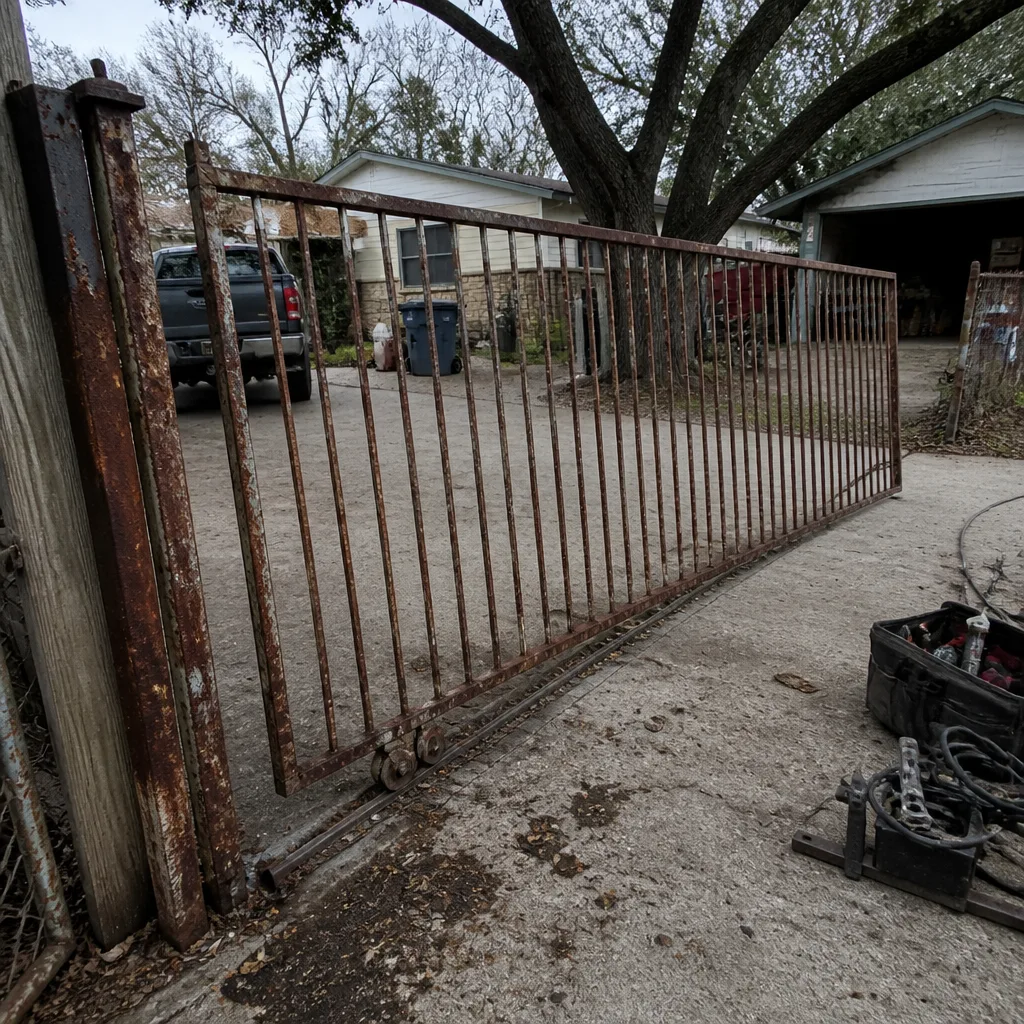 Before
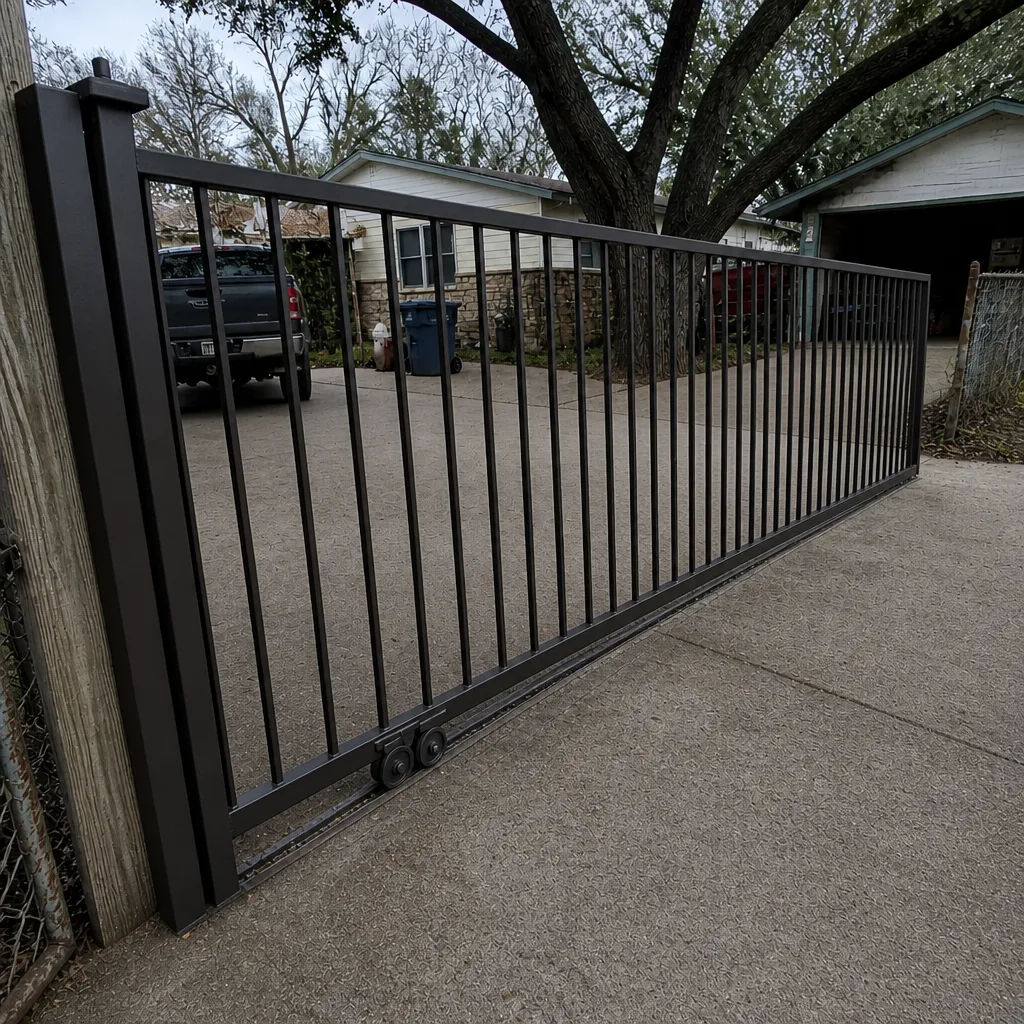 After
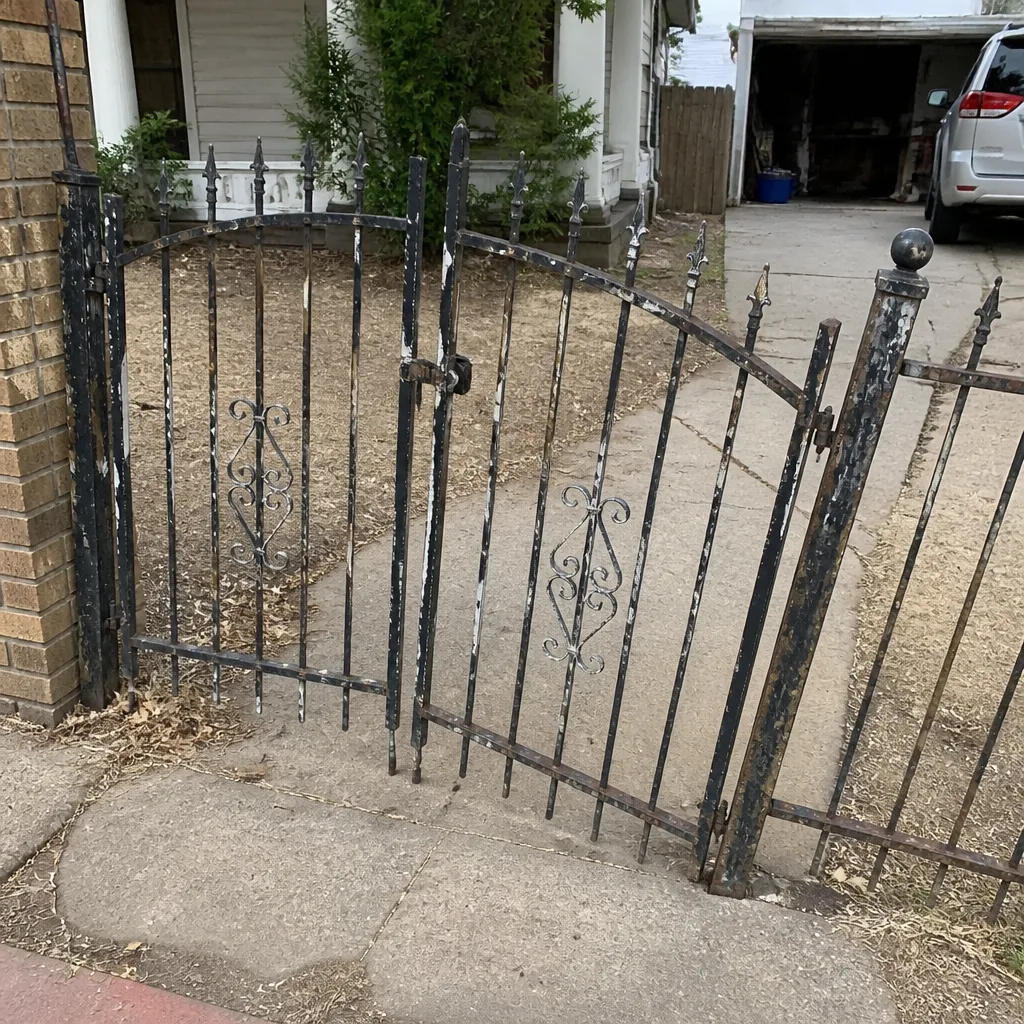 Before
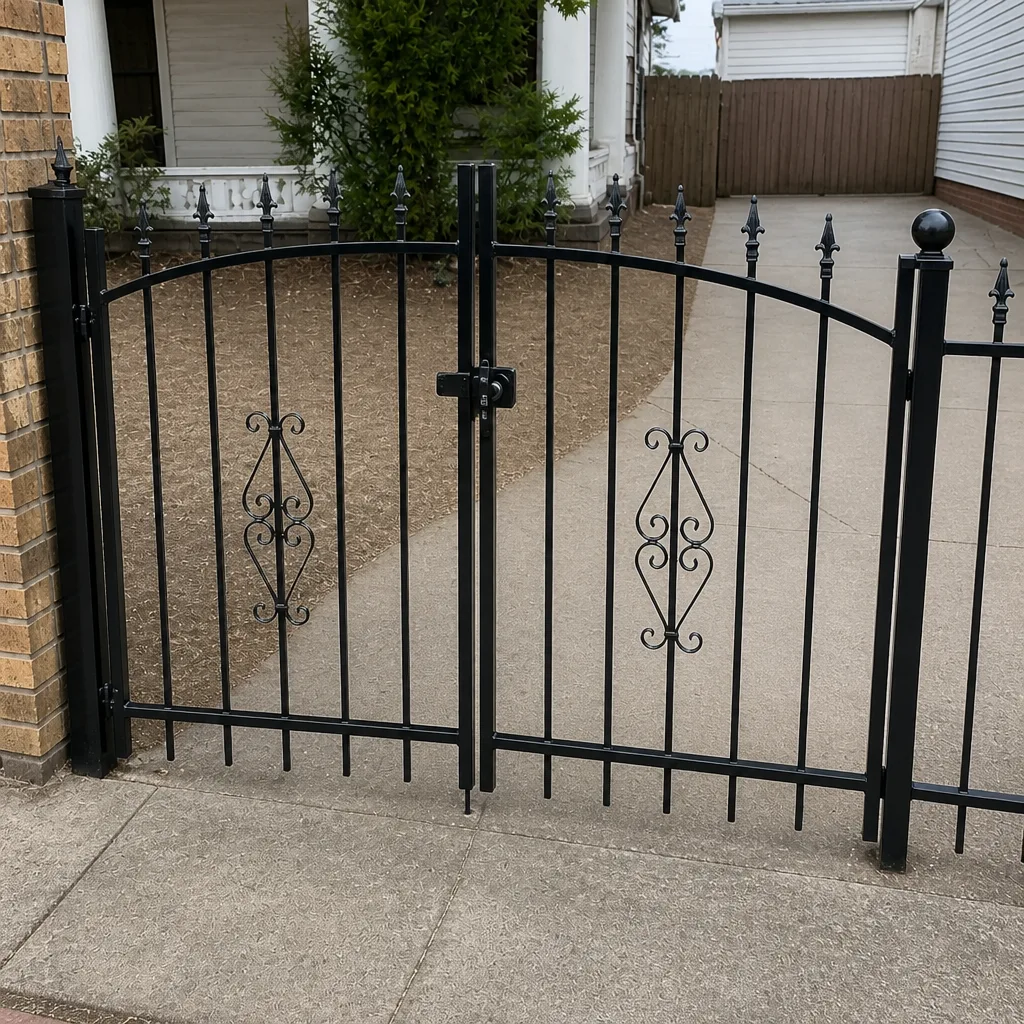 After
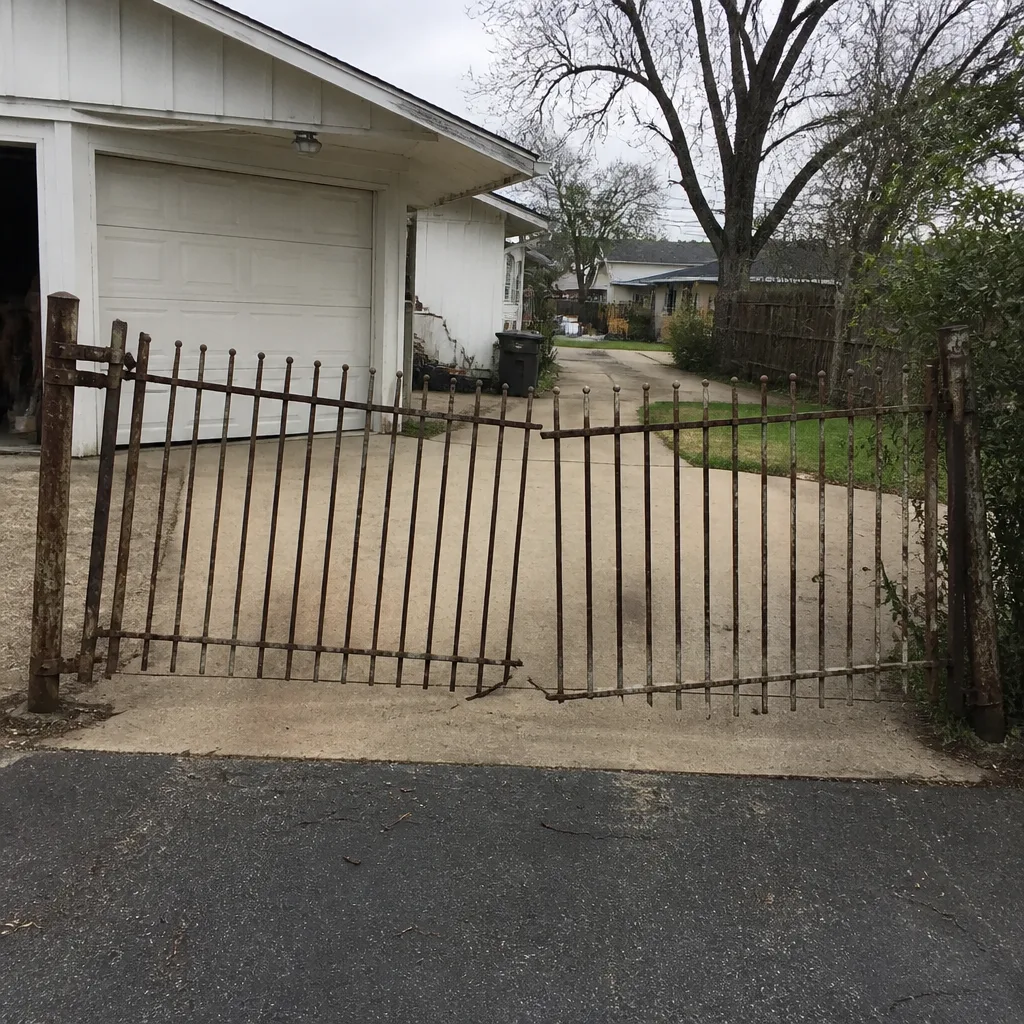 Before
 After
When to Call a Professional
Call a professional when the gate won’t release with the manual override, when the operator runs but the gate doesn’t move, or when the gate is stuck closed and blocking emergency access. Call when the control board behaves erratically, when a vehicle has struck the gate, or when the gate is cycling on its own. Call when the gate is a commercial or multi-unit entrance and the down gate is a liability for the whole property. Call when you’ve released the gate, secured it, and still don’t know why it failed. Gate Repair Waco offers free estimates in Waco – call (855) 638-3208. We work on gates, and gates only, across LiftMaster, FAAC, BFT, Linear, Viking, Ghost Controls, DoorKing, Elite, and Mighty Mule – so whoever arrives spends all their field time on gates. We answer 24/7, dispatch from 7am to 7pm Sunday through Friday, and quote the price before any work starts.
Frequently Asked Questions
Release the operator manually first, then secure the gate and call for help. Use the manual release specific to your operator brand – LiftMaster, FAAC, Viking, and Apollo each release differently – then move the gate by hand and get it into a safe position. If you can’t release it, or the gate has to be back in operation for access, call (855) 638-3208. We answer 24/7 and dispatch from 7am to 7pm, Sunday through Friday.
Yes, if the operator has a manual release, and most automatic gate operators do. The release disengages the operator from the gate so you can move it by hand. The tricky part is that the manual release method depends on the brand and model – a LiftMaster release is not the same as a FAAC release – so the wrong technique can damage the actuator. Find the release procedure for your exact operator, and if you can’t find it, call (855) 638-3208 and we’ll walk you through what to look for on your brand. Estimates are free.
They can and often will. Emergency services prioritize access to the emergency, and they are not required to wait for a gate technician. If the gate won’t open, they may force it, and the structural damage from a forced entry is the property owner’s repair cost. The prevention is preparation: know your manual release, keep the release key accessible, and make sure everyone in the household or on staff can open the gate by hand.
Cycle the gate on backup power on a calm day and watch how it moves. First locate the backup unit and check the status indicator if your operator has one. Then, with the gate in a safe position, cycle it open and closed under backup power and watch for smooth, full-travel operation. A gate that moves slowly or stalls on backup is telling you the battery is weak. Test before storm season in Waco, not after the power drops, and replace the battery if it fails the test. If you’re not sure your operator has a backup, a technician can check it and tell you. Call (855) 638-3208 for an exact quote – estimates are free.
A gate in this part of Texas deals with heat, humidity, and storm-season wind, and the outside gate hardware and operator are exposed to all of it. The practical maintenance is an annual release rehearsal, a battery backup test, a check of the keypad and sensors, and an inspection of the hinges, track, and arm travel. A gate that sags or binds needs adjustment, and a control board that behaves oddly needs a diagnostic. We price maintenance as a one-time visit per job after we look at the gate, and you get the written estimate before anything begins.
Because the storm may have damaged something the power restoration didn’t fix. The second failure usually traces to a bent arm, a debris obstruction, a damaged sensor, or a control board that took a surge. Walk the gate path, inspect the arm and hinges, test the gate by hand in manual, and check the access hardware before switching back to auto. If it behaves oddly on the first auto cycle, stop it and call (855) 638-3208. We answer 24/7, with fast dispatch from 7am to 7pm, and we’ll diagnose across the motor, control board, sensor, and access hardware as one system.
The Bottom Line
A gate emergency is a safety event, not a maintenance chore. The homeowners and property managers who come through it without damage are the ones who learned the manual release for their specific operator beforehand, tested the battery backup on a schedule, kept the gate brand and model on hand for dispatch, secured the gate when it stayed in manual, and ran a post-storm check before switching back to auto. None of that is complicated. All of it has to happen before the gate fails. If you’re reading this and your gate is down now, secure it, release it, and call (855) 638-3208 for a free estimate. Gate Repair Waco has served Waco since 2018 as a gate-only specialist, and we’ll tell you whether the gate needs repair or replacement – and which one makes sense. For new installations, our Waco team measures, orders, and schedules rather than promising same-day, and the written price is set before work starts. Call (855) 638-3208. We answer 24/7. Fast dispatch from 7am to 7pm, Sunday through Friday.
Written by the team at Gate Repair Waco, serving Waco since 2018.